
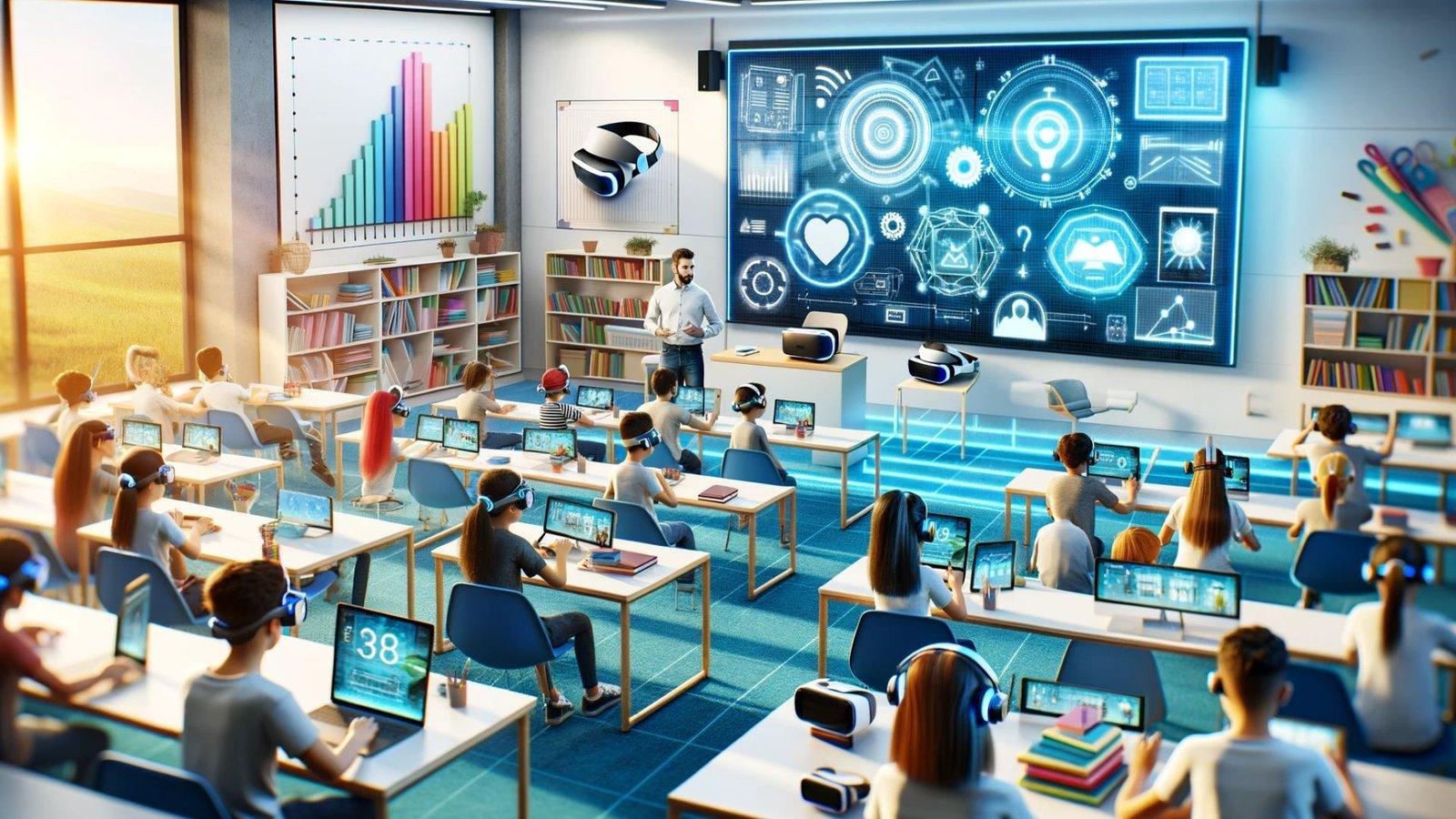
Revolutionizing Education: Top Sustainable technologies Transforming Classrooms
In a rapidly evolving world, education stands as the cornerstone of progress. However, the customary classroom is undergoing a transformation driven by innovative sustainable technologies. Today, educators, parents, and policymakers are keenly interested in sustainable solutions that conserve resources, reduce costs, and foster lasting change. This article explores the top sustainable technologies that are revolutionizing modern classrooms, detailing real-world applications, practical tips for adoption, and the far-reaching benefits for students, teachers, and the planet alike.
Why Sustainable Technologies Matter in Education
Environmental sustainability is no longer just a buzzword—it’s a foundational pillar of future-focused education. Schools are critically important consumers of energy and materials,but the integration of sustainable technologies in classrooms enables educational institutions to reduce their environmental footprint while enriching the learning experience.
- reduces operational costs through energy efficiency
- Creates healthier learning environments
- Prepares students for green careers
- Enhances digital literacy and critical thinking
Top 7 Sustainable Technologies Transforming Classrooms
1. solar-powered Learning Environments
one of the most impactful sustainable solutions for schools is the adoption of solar energy. From solar panels on rooftops to solar-powered charging stations, schools worldwide are embracing this renewable energy source.
- Lower energy costs: Reduce reliance on grid electricity, potentially saving thousands each year.
- Practical teaching aid: Solar power systems serve as hands-on STEM learning tools.
- Reduced carbon footprint: Clean energy generation aligns with green campus initiatives.
2. Interactive Digital Whiteboards & Paperless Solutions
Goodbye chalk dust, hello interactive displays! Digital whiteboards and paperless technologies are transforming traditional teaching methods, minimizing paper waste, and enabling dynamic, collaborative instruction.
- Paperless classrooms: Save trees, reduce printing expenses, and declutter learning spaces.
- Enhanced accessibility: Digital content can be easily shared, saved, and revisited.
- Integration with e-learning apps: Enables seamless hybrid and remote teaching.
3.Energy-Efficient Lighting & Smart HVAC Systems
LED lighting and smart thermostat controls are leading the way in green classroom infrastructure:
- LED lights: Use up to 75% less energy than traditional bulbs and last longer.
- Smart thermostats & sensors: Optimize heating/cooling schedules based on occupancy,improving comfort and efficiency.
4. Eco-Friendly EdTech Devices
Modern classrooms rely heavily on technology. Sourcing eco-friendly laptops, tablets, and projectors that use recyclable materials and energy-efficient components is a trend on the rise.
- Look for ENERGY STAR® certified devices.
- consider hardware with recycled aluminum and plastics.
- Encourage device recycling and responsible disposal programs.
5. Vertical Gardens & Green Walls
Bringing nature into the classroom, vertical gardens and green walls not only clean the air but also provide unique hands-on environmental education.
- Improved indoor air quality: Live plants act as natural air filters.
- Engagement in sustainability: Gardening projects teach obligation and ecosystem interdependence.
- Enhanced well-being: Exposure to greenery reduces stress and boosts concentration.
6. Sustainable Furniture and Classroom Materials
Traditional school furniture is being reimagined for sustainability. Choose classroom furnishings made from recycled, non-toxic, and rapidly renewable materials like bamboo or certified woods.
- Non-toxic finishes improve indoor air quality.
- durable, modular pieces reduce the need for frequent replacements.
7. Water Conservation Technologies
Modern schools are using low-flow fixtures, rainwater harvesting, and greywater recycling systems to promote water stewardship.
- Install sensor-operated faucets in restrooms.
- Establish rain gardens for outdoor learning and stormwater management.
Benefits of Sustainable Technologies in Education
Adopting sustainable classroom technologies delivers a powerful set of benefits that go beyond “going green.” Here’s what schools, students, and the wider community stand to gain:
- Financial Savings: Lower utility costs meen more budget for education initiatives.
- Improved Health: Superior air quality, natural lighting, and toxin-free materials foster better well-being.
- Enhanced Learning Outcomes: technology-driven, hands-on experiences boost engagement and retention.
- Empowered Students: Learners gain the skills and ethos needed for a sustainable future.
- Positive Community Impact: Schools can act as sustainability role models for surrounding communities.
Real-World Case Studies: Green innovation in Action
Case Study 1: Green School, Bali
This groundbreaking institution is renowned for its bamboo architecture and solar energy systems. By integrating open-air classrooms, compost toilets, and permaculture gardens, Green School Bali provides an immersive sustainability education, preparing students for eco-conscious leadership.
Case Study 2: New York City public Schools
The NYC Department of Education rolled out a district-wide plan to install LED fixtures and solar panels across hundreds of school buildings. Early reports highlight considerable energy savings, decreased carbon emissions, and expanded student STEM curricula tied to new infrastructure.
Case Study 3: Finland’s Digital Classrooms
Renowned for its forward-looking education system,Finland has implemented paperless classrooms,interactive e-books, and real-time collaboration tools. This not only cuts down on waste but actively encourages digital literacy and innovation among learners.
Tips for Implementing Sustainable Technology in Your School
Adopting sustainable technologies can seem daunting, but with the right approach, any educational institution can embark on this greener path. Here’s how to get started:
- Audit Current Resources: Assess your school’s energy, water, and material consumption for improvement areas.
- Start Small, Scale Up: Begin with pilot projects—such as retrofitting LEDs or introducing digital whiteboards—before expanding school-wide.
- Engage the Community: Involve teachers, students, parents, and local organizations for support, funding, and sustainability awareness campaigns.
- Seek Grants and Funding: Many governments, foundations, and businesses offer green education technology grants and incentives.
- invest in Training: Ensure educators receive professional development in using sustainable classroom technologies.
- Monitor & share Impact: Track savings, environmental benefits, and academic improvements—then share your success story to inspire others.
First-Hand Experience: Teachers on the Front Lines
“Switching to digital whiteboards and e-textbooks dramatically reduced waste in my classroom—we went from using hundreds of printed pages a month to almost zero. Students are more engaged and have instant access to resources from anywhere.”
“Installing solar panels wasn’t just about energy savings. Our students participated in the design and monitoring process—turning our school into a living lab for sustainability.”
Conclusion: The Future Is Green and Bright
The revolution in education is well underway, as sustainable technologies fundamentally reshape how we learn and teach. From solar power to paperless learning, schools are becoming more resilient, inclusive, and future-ready. By prioritizing green innovation, educators empower students with skills and values essential for a thriving, sustainable world. Now is the perfect time for schools to step up and harness the transformative power of sustainable classroom technologies—benefiting both people and the planet, for generations to come.