
Revolutionizing Higher Education: Blockchain Case Studies Driving Innovation
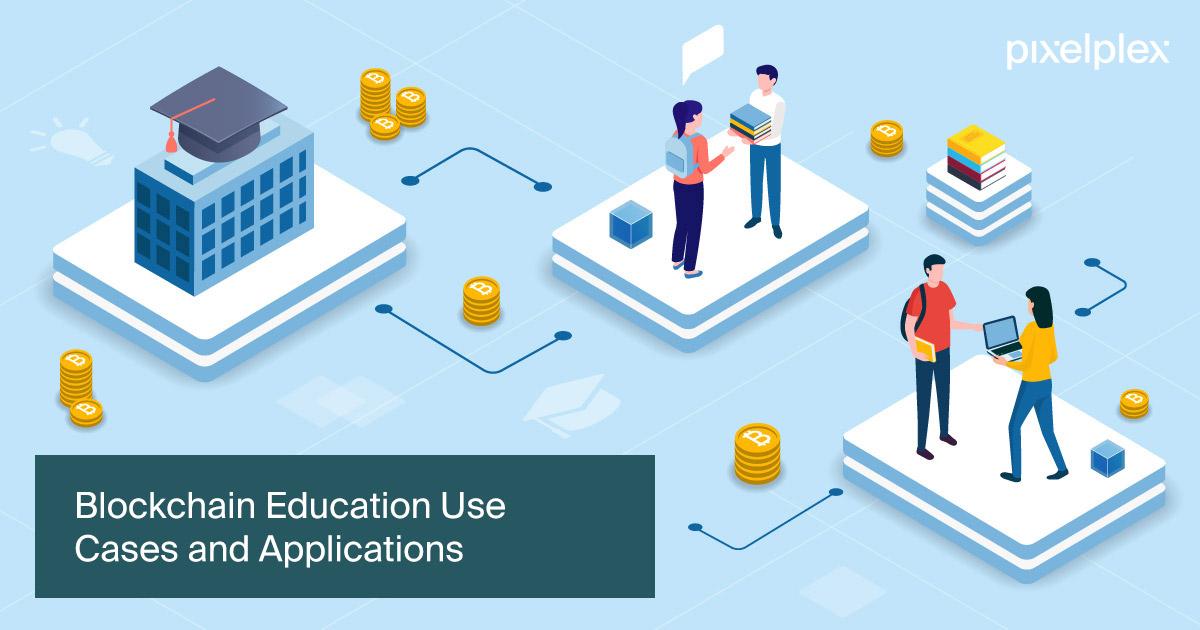
The landscape of higher education is undergoing a digital conversion, fueled by next-generation technologies. Among these, blockchain technology stands out for its potential to resolve critical challenges surrounding trust, transparency, and efficiency. From secure credentialing to improving academic records management, blockchain is more than a buzzword—it’s an innovation driver making tangible impacts across the world’s top universities and colleges. In this article, we dive into compelling blockchain case studies in higher education, unveiling how this revolutionary technology is shaping the future of learning.
Table of Contents
- Why Blockchain in Higher Education?
- Key Benefits of Blockchain technology for Universities
- Real-World Blockchain Case Studies in Higher Education
- First-Hand Experiences: Voices from Campus
- Practical Tips for Adopting Blockchain in Academia
- Conclusion
Why Blockchain in Higher Education?
Higher education institutions have long grappled with issues surrounding data authenticity, secure credentialing, administrative efficiency, and learning personalization. Conventional record-keeping systems are prone to human errors,fraud,and cyberattacks.Blockchain in higher education addresses these pain points, offering a secure, decentralized, and transparent way to manage academic records and certifications.
What is Blockchain?
Blockchain is a distributed ledger technology allowing data to be stored securely across a peer-to-peer network. Each data entry (block) is linked to others (chain), making alteration or manipulation nearly unfeasible.
Why is Blockchain Transformational for Academia?
- Security: Tamper-proof records safeguard credentials and transcripts.
- Transparency: Students, faculty, and recruiters gain access to real-time, verifiable information.
- Automation: Smart contracts streamline administrative burdens.
- Accessibility: Records are universally accessible,facilitating international mobility.
Key Benefits of Blockchain Technology for Universities
Universities and colleges worldwide have begun integrating blockchain systems for several compelling reasons:
1. Secure Credentialing and Diplomas
- blockchain verifies the authenticity of degrees and certifications,preventing fraud.
- Graduates can share blockchain-based digital diplomas with employers instantly.
2. Efficient Academic Records Management
- Student transcripts are stored securely and updated in real-time.
- Institutions can automate credit transfers and degree audits.
3. Innovative Learning Experiences
- Learners track achievements across multiple platforms, supporting micro-credentialing.
- Blockchain enables personalized learning pathways.
4. Streamlined International Admissions
- Universities can verify foreign credentials quickly and securely.
- Blockchain accelerates student mobility and global education initiatives.
real-World Blockchain Case Studies in Higher Education
Blockchain’s promise isn’t just theoretical. Academic institutions are pioneering practical applications that deliver real results. Let’s explore leading blockchain higher education case studies driving innovation:
Case Study 1: MIT Digital Diplomas
The Massachusetts Institute of Technology (MIT) leveraged blockchain through its Blockcerts initiative, issuing tamper-proof, digital diplomas to graduates. Students received cryptographically-signed certificates stored on the blockchain—eliminating the need to request paper diplomas or rely on third-party verification.
- Results: Faster credential sharing,reduced fraud,and greater autonomy for graduates.
Case Study 2: University of Nicosia – Blockchain Degrees
As the first university in the world to offer a master’s degree in blockchain, the University of Nicosia in Cyprus also records diplomas and transcripts on a decentralized system. Their approach reduces administrative costs and increases transparency.
- Results: Seamless cross-border verification and higher employer trust.
Case Study 3: Sony Global Education and Learning Data
sony Global Education partnered with IBM to develop a blockchain platform that securely archives and shares students’ academic achievements.This database enables students to build portable, lifelong records across institutions and countries.
- Results: Enhanced career growth through trusted credentialing.
Case Study 4: ECPI University Blockchain Credentialing
ECPI University launched blockchain-based digital diplomas, giving graduates immediate, secure access to verifiable credentials. This initiative streamlines hiring processes and strengthens academic reputation.
- Results: Improved recruitment efficiency and alumni engagement.
Case Study 5: Woolf University – blockchain-Powered Online Degrees
Woolf University utilizes blockchain to manage its online degree platform, securing course records, certifications, and instructor credentials. it removes paperwork and enables students to prove achievements anywhere in the world.
- Results: Administrative automation and global learning access.
First-Hand Experiences: Voices from Campus
How do these blockchain programs impact students and staff? Here’s what firsthand users are saying:
- Student Outlook: “with my MIT digital diploma, I could apply for jobs abroad without extra paperwork. Employers trusted my credentials instantly.”
- Registrar’s View: “Blockchain removed weeks of manual verification work. We now focus on guiding students rather than pushing paperwork.”
- International Recruiter: “Verifying foreign transcripts used to be a nightmare.Blockchain’s transparency gave us the confidence to accept applications more efficiently.”
- Faculty member: “Blockchain-based course records increase student engagement. Learners can seamlessly stack micro-credentials from different platforms.”
Practical Tips for Adopting Blockchain in Academia
Thinking about integrating blockchain into your university? Here are practical steps to guide a triumphant implementation:
- Start Small: Launch pilot projects focusing on credentialing or transcript management before expanding to broader applications.
- Choose the Right Platform: Evaluate blockchain solutions tailored for education (e.g., Blockcerts, Learning Machine, OpenCerts).
- engage Stakeholders: Involve students, registrars, IT, and accreditors early to streamline buy-in and ensure process alignment.
- Prioritize Data Privacy: Ensure compliance with data protection standards such as GDPR or FERPA.
- Collaborate Globally: Partner with international institutions to enable cross-border credential verification.
- Invest in Training: Educate staff and students about benefits and processes to foster trust and adoption.
- Monitor and Adapt: Regularly assess the blockchain system for usability, scalability, and security improvements.
Conclusion
Blockchain is more than just a disruptive trend—it’s a solution that’s actively reshaping the priorities and processes of higher education. From transforming credentials and student records to facilitating lifelong learning and international cooperation, blockchain is paving the way for innovation, equity, and efficiency. Forward-thinking colleges and universities embracing this technology are not only future-proofing their operations—thay’re empowering students and faculty for a globally connected learning experience.
Whether you’re a university administrator, educator, student, or tech enthusiast, blockchain’s evolving role in higher education is one to watch, explore, and actively shape. The case studies above are only the beginning of what’s possible when technology, trust, and transparency converge. Stay tuned as the digital revolution in higher education continues to unfold!