
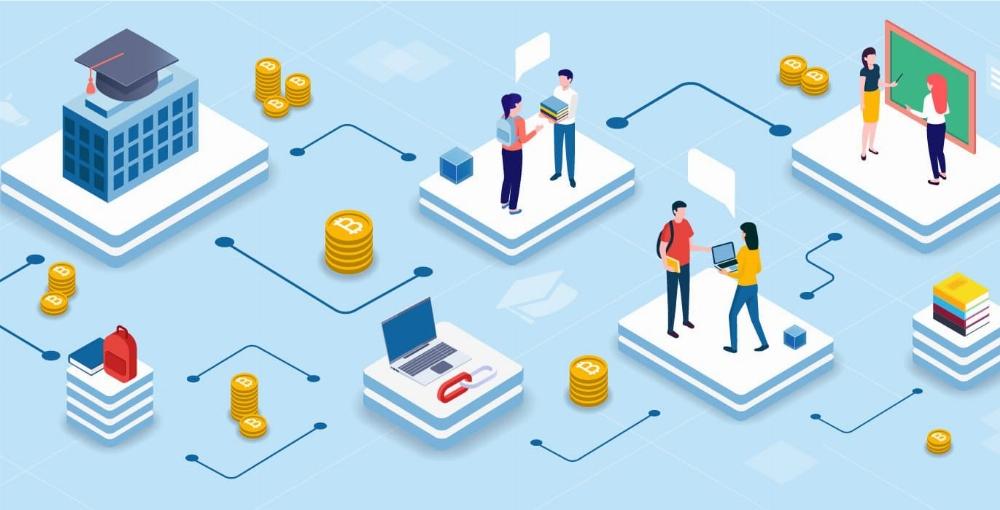
Revolutionizing Higher Education: Case Studies of Blockchain Implementation
Blockchain technology is rapidly reshaping the landscape of higher education, paving the way for more secure, transparent, and efficient academic processes. From authenticating academic credentials to transforming student data management and facilitating innovative learning platforms, universities and colleges across the globe are embracing this digital revolution. In this article, we delve deep into the practical applications, benefits, and real-world case studies of blockchain implementation in higher education, along with actionable insights for institutions considering this game-changing technology.
Understanding Blockchain in Higher Education
At it’s core, blockchain functions as a decentralized, immutable ledger that securely records transactions and data shared across a network. In higher education, this technology has the potential to:
- Reduce diploma fraud and credential forgery
- Streamline the transfer and storage of academic records
- Enhance transparency and trust in educational achievements
- Facilitate new pathways for learning and academic collaboration
By integrating blockchain into their systems, educational institutions can revolutionize how credentials are issued, verified, and shared, ultimately fostering greater trust between universities, students, and employers.
Key benefits of Blockchain Implementation in Higher Education
- Secure Credential Verification: Blockchain provides tamper-proof verification for degrees, certifications, and transcripts.
- Enhanced Data Privacy: Students control access to their academic records, increasing personal privacy.
- Streamlined Admissions: Academic records on the blockchain grant faster and more reliable admissions processes.
- Global Recognition: Academic achievements recorded on blockchain are universally verifiable, supporting international mobility.
- Cost Efficiency: Reduced administrative burden and paperwork saves time and resources.
Case Studies: Blockchain Transforming Universities & Colleges
Let’s take a closer look at some pioneering institutions that are leading the way in blockchain adoption within higher education. These case studies illustrate the technology’s diverse impact, from digital diplomas to student identity management and academic research.
1. MIT: Digital Diplomas with Blockcerts
The Massachusetts Institute of Technology (MIT) partnered with Learning Machine to launch Blockcerts, an open standard for blockchain-based certificates. graduates receive digital diplomas stored on the blockchain, making it easier to share and instantly verify their credentials worldwide.
- Impact: Reduced diploma fraud and simplified verification by employers.
- Student Experience: Graduates have lifetime ownership of their digital credentials.
- SEO Keywords: MIT blockchain diplomas, blockcerts, digital certificate verification
2. University of Nicosia: Blockchain-Powered Transcripts & Identity
The University of Nicosia, cyprus, recognized for its blockchain research, implemented blockchain-based academic transcripts and student identity management. Students can share validated transcripts with potential employers or institutions, significantly decreasing verification delays.
- Impact: Faster international admissions and increased trust in student records.
- First-hand experience: Alumni report a seamless process when applying abroad.
- SEO Keywords: University of Nicosia blockchain, blockchain student identity, academic transcripts blockchain
3. Sony Global Education: Blockchain for Learning History
Sony global Education partnered with IBM to create a blockchain platform for recording and sharing students’ learning history.By securely storing educational achievements from various institutions, learners can build a holistic, lifelong academic portfolio.
- Impact: Comprehensive, interoperable learning records fostering personalized education and career paths.
- SEO Keywords: Sony blockchain education, learning history blockchain, personalized education blockchain
4. Central New Mexico Community College: Blockchain-Based Certificates
Central New Mexico Community College (CNM) issues blockchain-based certificates, allowing students to verify their achievements instantly.
- Impact: Increased employer confidence and streamlined hiring processes.
- SEO Keywords: CNM blockchain certificates, blockchain verification in community colleges
5.Malta: Blockchain University Framework
The country of Malta has mandated blockchain implementation across all its educational institutions, making it a leader in blockchain for higher education.
- impact: Seamless validation of academic and professional credentials, bolstering Malta’s reputation as a “Blockchain Island.”
- SEO Keywords: Malta blockchain university, blockchain education framework, international blockchain recognition
Practical Tips for Implementing Blockchain in Higher Education Institutions
For universities, colleges, and education leaders contemplating blockchain adoption, following a strategic roadmap can maximize benefits and minimize risks.Hear’s how to get started:
- Identify Use Cases: Begin with processes plagued by inefficiency or fraud, such as diploma issuance and transcript verification.
- Choose the Right Platform: Evaluate blockchain platforms for scalability, security, and interoperability (e.g., Ethereum, Hyperledger).
- Pilot Programs: Launch blockchain initiatives in select departments before scaling campus-wide.
- Stakeholder Engagement: Involve faculty, students, employers, and IT teams to ensure buy-in and successful implementation.
- Compliance & Data Privacy: Address regulatory requirements—GDPR, FERPA, or other local laws governing student data.
- Continuous Training: Provide workshops and resources to educate stakeholders on blockchain applications and benefits.
Challenges & Considerations in Blockchain Adoption
Despite its promise, integrating blockchain into higher education comes with obstacles:
- Technical Complexity: Blockchain solutions require advanced IT expertise and resources.
- Initial Investment: Upfront costs for infrastructure and growth can be notable.
- Legal & Regulatory Issues: Compliance with data protection laws must be rigorously managed.
- Interoperability: Ensuring compatibility with legacy systems and other institutions is vital for broad adoption.
- Change Management: Shifting academic processes and stakeholder mindsets takes time and effort.
first-Hand Experiences: Voices from the Academic Blockchain Frontier
Real stories from students and administrators offer critical insights into blockchain’s impact:
- Maria (MIT graduate): “my Blockcerts diploma streamlined applications to international graduate schools. No more waiting weeks for credential checks!”
- George (University of Nicosia): “With blockchain transcripts, I easily proved my academic achievements when applying for overseas jobs.Employers trusted the authenticity promptly.”
- Dr. Linda (Administrator, CNM): “Blockchain certificates have reduced our verification workload by 60%. Employers love the instant access to trustworthy records.”
Future Trends: Blockchain’s Expanding Role in Higher Education
looking forward, blockchain in higher education is set to further enable:
- Smart Contracts: automating course registration, tuition payments, and degree issuance
- Decentralized Learning: Supporting micro-credentials, peer-to-peer learning, and global collaboration
- Research Integrity: Maintaining transparent and immutable records for academic research
- Student Portfolios: Lifelong, personalized records encompassing formal and informal education
Conclusion: Embracing the Blockchain Education Revolution
Blockchain implementation in higher education has moved beyond theoretical promise into tangible progress, as evidenced by trailblazing universities, colleges, and government initiatives. By increasing security, transparency, and efficiency, blockchain empowers academic institutions and students alike, laying the foundation for a new era of learning that is global, trusted, and future-proof.
As more educational institutions follow the led of innovators like MIT, the University of Nicosia, and Malta, integrating blockchain becomes not just a differentiator, but a necessity. Now is the time for decision-makers in higher education to evaluate, pilot, and scale blockchain solutions, ensuring their institutions remain at the forefront of digital change and academic excellence.
Ready to start your institution’s blockchain journey? Explore further resources,connect with industry experts,and embrace the future of higher education—one block at a time.