
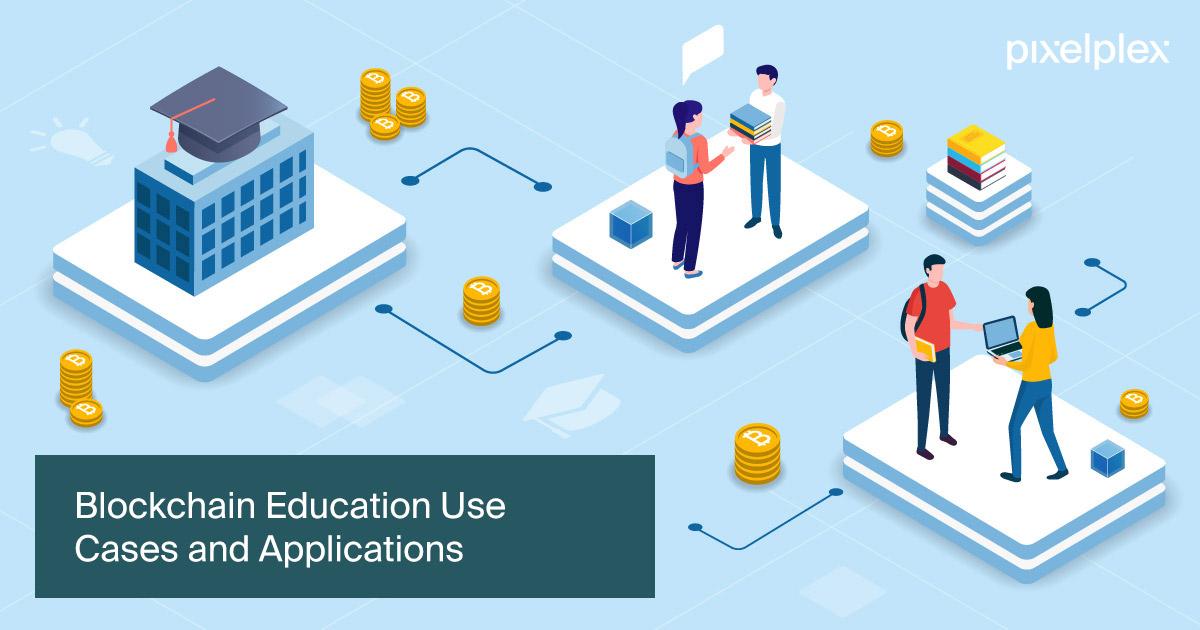
Revolutionizing Higher Education: Case Studies Showcasing Blockchain Applications
The world of higher education is undergoing a profound transformation, powered by technological advancements that address long-standing challenges. among these, blockchain technology is emerging as a game-changer in the way universities and colleges manage academic records, credentials, administration, and student data.But what does the request of blockchain look like in practical terms? This article delves into comprehensive case studies and real-world examples showcasing how blockchain is revolutionizing higher education, enhancing security, transparency, and efficiency for institutions and learners alike.
Understanding Blockchain in Higher Education
Blockchain is a decentralized digital ledger that securely records transactions across multiple computers. In higher education, this transparent and tamper-proof system is being applied to academic credentials management, student data verification, and even curriculum management, reshaping how universities operate and students interact with their records.
- Decentralization: Reduces dependency on intermediaries and central authorities.
- Immutability: Records, such as degrees and transcripts, cannot be altered fraudulently.
- Accessibility: Students can securely access and share their academic achievements worldwide.
- transparency: Trust is built between educational institutions, students, and employers.
Key Benefits of Blockchain in Higher Education
Implementing blockchain applications in higher education offers tangible improvements to existing administrative and academic processes. Let’s explore the core advantages:
1. Fraud-Proof Academic Credentials
- Eliminates diploma and transcript forgery.
- Fast and tamper-proof verification for employers and educational institutions.
2. Streamlined Administration
- Automates credential issuance, reducing manual paperwork.
- Minimizes errors and administrative overhead.
3. Enhanced Data Security
- Protects personal and academic data through decentralization.
- Reduces risk of breaches and unauthorized access.
4. Global Accessibility
- Students and alumni can share and verify credentials globally.
- Facilitates international admissions and job applications.
Case Studies: Blockchain Innovation in Higher Education
Real-world examples offer concrete evidence of blockchain’s impact on education digital transformation. Here are some pioneering initiatives that showcase the power and versatility of blockchain applications in higher education.
1. University of Nicosia (Cyprus): Securing Digital Diplomas
the University of Nicosia became the world’s first institution to issue digital diplomas on the Bitcoin blockchain. In 2014, they began providing graduates with cryptographically signed certificates, allowing instant online verification for employers and other institutions, anywhere in the world. This use case has drastically reduced credential fraud and improved job application efficiency.
- First-mover in blockchain-secured credentials
- Global accessibility for alumni
- Inspired universities worldwide to follow suit
2.MIT (United States): Blockcerts Open standard
The Massachusetts Institute of Technology (MIT) launched Blockcerts,an open standard for blockchain-based educational credentials. Blockcerts enables students to control and share their academic achievements with anyone—shifting ownership from institutions to individuals. MIT students now have unalterable digital diplomas, ensuring trust for employers and academic partners.
- Empowers students with credential ownership
- Promotes interoperability between institutions
- Opens avenues for lifelong learning and micro-credentialing
3. Sony Global Education: Secure Transcript Verification
Sony’s blockchain-based education platform has partnered with multiple universities to enable secure sharing and real-time verification of academic transcripts. Using blockchain in higher education helps counteract fraudulent records and enables efficient, cross-border admissions.
- fast transcript verification for employers
- Reliable for international student mobility
- Reduces administrative workload
4. Learning Machine: international Diploma Authentication
Learning machine, working alongside governmental bodies and universities in Malta, has implemented blockchain-backed systems for credential authentication. This ensures degrees and certificates issued within European and international frameworks are easily verified—supporting both local and global mobility for graduates.
- Compliant with international accreditation standards
- Supports cross-border recognition of academic achievements
First-Hand Experience: Transformative Impact on Students and administrators
As blockchain adoption grows, students and university administrators are witnessing its positive impact firsthand.
For Students:
- convenience: No more tedious paperwork to request transcripts or degree verification.
- Privacy and Ownership: students control who can access their records.
- Credibility: Credentials are instantly trustworthy, enhancing employability.
for Administrators:
- Efficiency: Automated issuance and verification of diplomas and transcripts.
- Reduced costs: Lesser need for physical documentation and postage.
- Robust Data Security: Mitigates risk of human error and data manipulation.
“Blockchain technology allows our graduates to share their achievements with absolute confidence. It’s changing how universities and employers trust each other.” — University Registrar, Cyprus
Best Practices for Implementing Blockchain in Higher Education
Planning to join the revolution? Here are practical tips for effectively introducing blockchain applications in academic institutions:
- start Small: Pilot projects (e.g., issuing digital transcripts to a select group) help test viability.
- Ensure Regulatory Compliance: Adhere to local laws on data protection and digital privacy (such as GDPR).
- Engage Stakeholders: early interaction with students, faculty, and employers paves the way for smooth adoption.
- Invest in Training: Equip staff and students with the knowledge to use and trust blockchain platforms.
- Leverage Open Standards: Utilize interoperable solutions like Blockcerts for maximum compatibility.
- Monitor and Adapt: Continuously analyze outcomes and refine processes based on feedback and technological advances.
Challenges and Considerations
Despite the game-changing benefits, blockchain integration in higher education is not without challenges:
- Technical Complexity: Blockchain implementation demands specialized expertise.
- Initial Costs: Upfront investment in technology and training can be significant.
- Scalability: ensuring solutions can grow to accommodate large student populations is crucial.
- Legal and Ethical Issues: Sustained focus on data privacy and digital rights is mandatory.
tho, as case studies continue to prove, strategic planning and a focus on open collaboration can effectively overcome these hurdles.
The Future: Blockchain and the Digital Campus
Looking ahead, blockchain technology is set to further empower digital campus innovation. From automating admissions to powering decentralized learning platforms, the possibilities are vast:
- Self-sovereign identities for students and staff
- Micro-credentialing and lifelong learning records
- decentralized academic publishing and peer review
Universities worldwide are collaborating to create interoperable ecosystems, allowing seamless sharing of data and credentials, ultimately making higher education more accessible, secure, and equitable.
Conclusion: Shaping the Future of Higher Education with Blockchain
Blockchain applications in higher education are no longer just a promising concept—they are being successfully implemented across the globe. From secure digital diplomas to streamlined administration and enhanced student experiences,the technology is redefining trust,transparency,and efficiency for institutions,students,and employers. By learning from pioneering case studies and embracing best practices, universities can unlock new opportunities for digital transformation and global recognition.
As the digital landscape evolves, blockchain stands ready to solve some of higher education’s most entrenched challenges. Institutions that adopt blockchain today will be at the forefront of innovation tomorrow, driving a new era of academic credibility, security, and opportunity for all.