
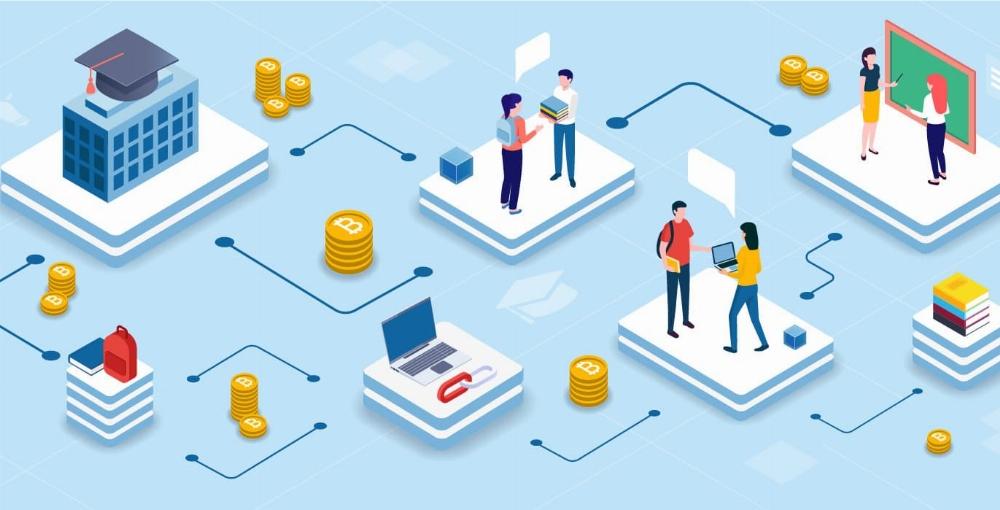
Revolutionizing Higher Education: Case studies Showcasing Blockchain’s Impact
The digital conversion of academia is accelerating, with blockchain technology at the forefront of this evolution. higher education institutions worldwide are discovering innovative ways to harness blockchain’s potential—from securing academic credentials to simplifying administrative processes. In this in-depth article, we’ll explore the ways in which blockchain is redefining higher education, highlight real case studies, reveal key benefits, and provide practical tips for academic professionals looking to embrace this disruptive technology.
What is Blockchain and Why is It Crucial in Higher Education?
Blockchain is a decentralized ledger technology that stores data in a secure, tamper-resistant manner. In the context of higher education, blockchain offers transparency, security, and trust—three crucial elements for maintaining academic integrity and streamlining institutional processes.
- Transparency: Ensures accurate, easily verifiable academic records
- security: Reduces risks of credential fraud and data manipulation
- Efficiency: Automates processes like degree issuance and student transfers
Consequently, blockchain in higher education has become a strategic focus for universities and colleges aiming to modernize the student experience and improve institutional reputation.
Key Benefits of Blockchain Adoption in Higher Education
Integrating blockchain into academic systems isn’t just about embracing new technology—it’s about transforming how institutions operate.Here are some of the top benefits:
- Immutable Academic Credentials: Digital diplomas and transcripts that can’t be forged
- Streamlined Admissions and Transfers: Students and institutions can easily verify prior learning and qualifications
- Enhanced International Recognition: Credentials are recognized and verifiable globally
- Reduction in Administrative Overhead: Automation reduces paperwork,costs,and manual errors
- Empowered learners: Students have direct access and ownership over their academic records
Blockchain in Action: Real-World Case Studies
To truly appreciate blockchain’s transformative power in higher education,let’s dive into some inspiring case studies from around the globe.
1. Massachusetts Institute of Technology (MIT): Digital diplomas
In 2017, MIT piloted a blockchain-based solution to issue digital diplomas to graduates via the Blockcerts platform.Students could instantly access and share their verifiable certification with employers worldwide.
- Reduced risk of credential forgery
- Simplified verification process for employers
- Improved student satisfaction with digital access
2. University of Nicosia: Pioneering Blockchain Education
The University of Nicosia, Cyprus, was the first to use blockchain for delivering academic credentials and launched the world’s first MSc in Digital Currency. Their students receive digital certificates via blockchain, setting new standards for trust and transparency.
- First university to accept Bitcoin for tuition payments
- Leverages blockchain for both academic and financial processes
3. Sony Global Education & Fujitsu: Credential Verification platform
sony and Fujitsu partnered to create a blockchain-based platform enabling Japanese universities to manage and verify students’ academic data and achievements securely. Streamlined international applications and made cross-institution collaboration seamless.
- Automated data verification during admissions
- Secure sharing of records between institutions
4. Malta’s National Blockchain Strategy for Education
The government of Malta implemented a national strategy using blockchain to store all secondary education certificates. The system enabled students pursuing higher education to submit authenticated records easily, supporting both domestic and international university applications.
- Contry-wide blockchain adoption for academic records
- Minimized administrative bottlenecks
5.ECPI University: Streamlining Degree Authentication
ECPI University in the United states deployed blockchain-based credentialing to provide graduates with instant, shareable proof of achievement, helping alumni in competitive job markets.
- Faster degree authentication for employers
- Reduces waiting time for graduates
Expert Insights: First-Hand Experiences with Blockchain in Academia
Blockchain’s impact isn’t just theoretical. Educators, administrators, and students report measurable improvements:
“I was able to share my digital diploma from MIT with multiple prospective employers within minutes. Each one could verify its authenticity without the hassle of paperwork or waiting weeks for transcripts.”
– Maria S., MIT Graduate
“Blockchain has streamlined our admissions process, cut down administrative time by over 30%, and given us global credibility in verifying student records.”
– Dr.andreas M., University of Nicosia
Practical Tips for Universities Embracing Blockchain
If you’re part of an academic governance or IT department considering blockchain adoption, here’s how to get started:
- Start with a Pilot Program: Choose a single process—like diploma issuance—to test blockchain’s impact.
- Partner with Technology Leaders: Work with established blockchain solution providers for education, such as Blockcerts or Learning Machine.
- Educate Stakeholders: Provide training for staff and students to ensure understanding and buy-in.
- consider Privacy and Compliance: Integrate blockchain with existing privacy regulations (e.g., GDPR, FERPA).
- Collaborate Internationally: Join global initiatives or consortia to scale your solutions and increase interoperability.
Above all, stay flexible and open to feedback, as blockchain for higher education evolves rapidly.
The Future: Blockchain’s Role in Shaping Higher Education
The coming years will see blockchain revolutionize not just record-keeping, but the very structure of higher education:
- Decentralized Learning Platforms: secure micro-credentialing and lifelong learning ecosystems
- global Talent Portability: Credentials instantly verifiable by employers and institutions worldwide
- Digital Student Identities: Manage scholarships, grades, and extracurricular records seamlessly
As blockchain matures, it promises to empower both learners and educators while increasing academic mobility and trust on a global scale.
Conclusion
Blockchain is more than a technological trend—it’s a catalyst reshaping the future of higher education. From safeguarding academic integrity to enhancing operational efficiency,real-world case studies prove that blockchain delivers tangible benefits for students,educators,and institutions. universities ready to innovate should consider pilot projects that harness blockchain’s potential, ensuring they stay ahead in the digital education revolution.
Ready to explore how blockchain technology can transform your institution? Start small,learn continuously,and join the global educational innovation movement. The revolution in higher education has already begun—will you lead the way?