
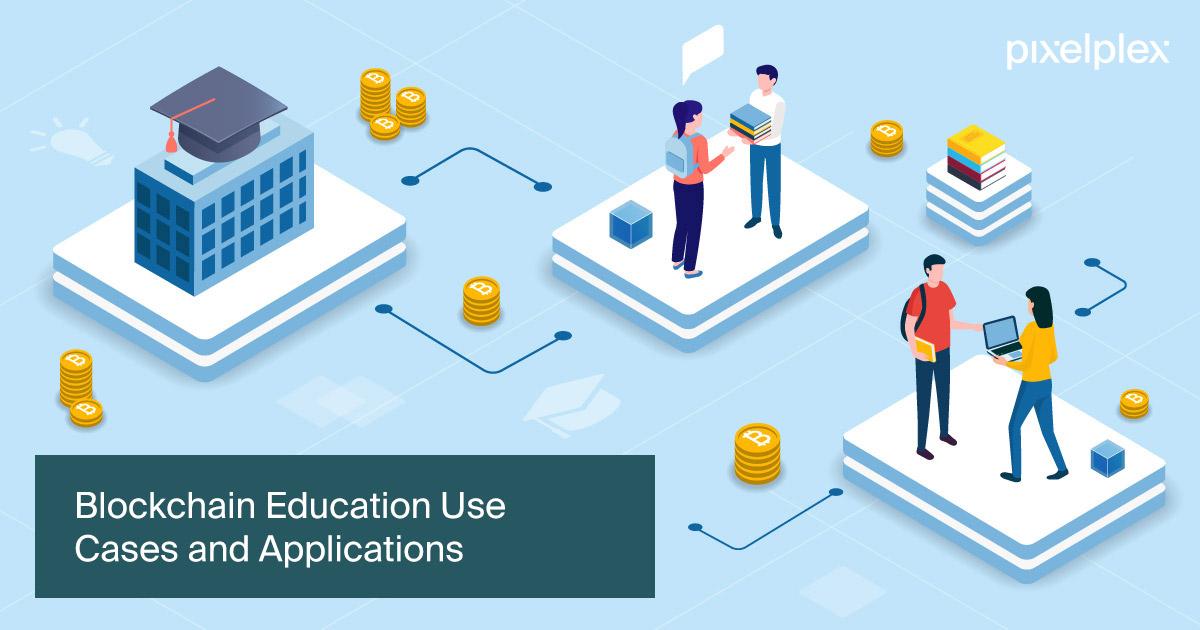
Revolutionizing Higher Education: Case Studies Showcasing Blockchain’s Transformative Impact
Blockchain technology is rapidly reshaping a myriad of industries, but perhaps nowhere is its potential more remarkable than in higher education. From secure credential verification to transparent administrative processes, blockchain in education is revolutionizing how institutions operate, enhance trust, and empower learners. In this comprehensive guide, we’ll explore real-life case studies, tangible benefits, and practical tips for harnessing blockchain’s transformative power to revolutionize higher education.
Why Blockchain Is The game-Changer for Higher Education
Historically, higher education has faced numerous challenges around data security, credential fraud, inefficiency, and lack of transparency. Blockchain – a decentralized ledger technology known for its security and immutability – offers unique solutions to these persistent problems:
- Immutable Record Keeping: academic records,certificates,and transcripts saved on a blockchain cannot be tampered with or faked.
- Efficient Processes: Automating academic credential verification reduces time and eliminates paperwork bottlenecks.
- Self-Sovereign Identity: Students gain control over their data, sharing credentials instantly with employers and institutions worldwide.
- Global Accessibility: Blockchain-based credentials transcend borders, making international admissions and job applications seamless.
- cost Reduction: Reduced administrative burdens translate into significant cost savings for universities and colleges.
Case Studies: Blockchain’s Transformative Impact in Higher Education
Let’s look at how pioneering educational institutions and organizations are applying blockchain to solve real-world challenges, illustrating its profound impact on the sector.
1. MIT: Digital Diplomas on the Blockchain
Massachusetts Institute of technology (MIT) stands at the forefront of blockchain adoption in academia. In 2017, MIT piloted the Blockcerts platform to issue tamper-proof digital diplomas to a select group of graduates. These diplomas, saved on the blockchain, empower graduates to:
- Verify their academic credentials instantly anywhere in the world
- Present digital proof to employers without intermediary verification
- Protect against diploma fraud and manipulation
Since implementation, MIT’s blockchain solution has dramatically reduced the risk of fake degrees and streamlined the credentialing process, laying the groundwork for global standards in academic verification.
2. University of Nicosia: Blockchain-Powered Degree Verification
The University of Nicosia in Cyprus became the world’s first university to issue blockchain-verified academic certificates.Their approach enables students to:
- Securely store academic credits and qualifications on a decentralized ledger
- Share their verifiable credentials directly with employers and other institutions
- Enjoy enhanced privacy and ownership of their educational data
This pioneering move by the University of Nicosia inspired many other institutions to experiment with blockchain for degree authentication, fostering trust and efficiency in global education systems.
3. Sony Global Education: Credential Sharing Across Borders
Sony Global Education, in collaboration with other tech partners, launched a blockchain-based platform for sharing academic achievements. The platform facilitates:
- International recognition and transferability of credits
- Verifiable resumes and portfolios on the blockchain
- Reduced barriers to student mobility and cross-border enrollment
This project highlights the immense potential of blockchain in opening doors for students around the world, regardless of location.
4. Open University UK: Transparent Learning Pathways
The Open University UK created the “Open Blockchain” initiative to verify learning achievements and support lifelong learning. The project’s features include:
- blockchain badges for micro-credentials and short courses
- Transparent learning pathways that anyone can validate
- Empowerment of learners to present their skills and knowledge to employers and educational institutions
This approach not only democratizes education but also creates a trusted ecosystem for skill validation and continuous learning.
Benefits of Blockchain for Students, Institutions, and Employers
The adoption of blockchain in higher education delivers measurable benefits for stakeholders:
- Enhanced Trust: Blockchain ensures the authenticity of credentials, curbing fraud, and boosting employer confidence.
- Student empowerment: Students own and control their academic data,promoting privacy and autonomy.
- Operational Efficiency: Automated verification and record-keeping reduce labor and administrative costs.
- Global Collaboration: Seamless data sharing fosters international educational partnerships and mobility.
- Lifelong Learning: Micro-credentials and learning records support continual upskilling and diverse career pathways.
Practical Tips for Universities Considering Blockchain Integration
- Start Small: Pilot blockchain for single applications (e.g.,diploma issuance,micro-credentials) before widespread adoption.
- Collaborate: Partner with blockchain experts and technology providers for seamless integration and staff training.
- Focus on Student Needs: prioritize solutions that grant students more control over their educational records.
- Stay Compliant: Observe data protection laws (GDPR, FERPA, etc.) throughout blockchain deployments.
- Engage Stakeholders: Include faculty, students, and employers in the implementation process for increased buy-in.
First-Hand Experiences: Voices from the Academic Frontline
Adopting blockchain technology in higher education isn’t just about systems and processes—it transforms lives.here’s what those closest to the change are saying:
“With digital diplomas on the blockchain, I could instantly share proof of my degree with employers abroad—no more waiting for complex verifications.”
“Blockchain has made our credential verification process safer, faster, and more reliable. Students feel empowered, and employers trust our certifications.”
“Transferring my credits internationally was always a headache. With blockchain, my academic journey is finally borderless.”
Innovative Use Cases: Beyond Credential Verification
While credential verification is one of the most prominent uses, innovative universities are exploring the broader applications of blockchain in education:
- Decentralized Learning Platforms: Using blockchain for secure, transparent course delivery and student assessments.
- Automated Smart Contracts: Enabling tuition payments, scholarships, and access rights through self-executing blockchain contracts.
- Research publishing and copyright Protection: Immutable records of academic research and intellectual property.
- Student Fundraising and Grants: Blockchain supports transparent, peer-to-peer scholarships through crowdfunding solutions.
WordPress CSS Tip: Make Your Case Study Section Pop!
.case-studies-section {

  background: #f7f8fa;

  border-left: 4px solid #21759b;

  padding: 30px 20px;

  margin-bottom: 30px;

  box-shadow: 0 2px 6px rgba(33,117,155,0.10);

}
Add the case-studies-section class to your case study divs for enhanced visual distinction!
Conclusion: The Future of Higher Education is Blockchain-Enabled
From tamper-proof credentials to frictionless student mobility, blockchain is poised to redefine the future of higher education globally. Institutions that embrace blockchain now not only protect the integrity of their certifications but also empower students and streamline operations for the digital age.
We are witnessing the dawn of smarter, fairer, and more transparent academic ecosystems. By learning from pioneering case studies and adopting best practices, universities and colleges can lead the charge in this educational revolution.
Ready to unlock the transformative power of blockchain in your institution? The future starts now.