
Revolutionizing Higher Education: Real-world Case Studies of Blockchain Innovation
The landscape of higher education is undergoing a dramatic change,thanks to blockchain technology. This decentralized,secure,and clear technology offers solutions to longstanding challenges such as academic credential verification,student data privacy,and diploma fraud. Thru compelling real-world case studies and in-depth analysis, this article explores how blockchain is revolutionizing higher education, offering greater trust, efficiency, and new opportunities for institutions and students alike.
The Promise of Blockchain in Higher Education
Embracing blockchain technology in higher education is more than just a trend—its a strategic move toward modernization, security, and increased student agency. From securing academic records to facilitating global recognition of credentials, blockchain’s decentralized nature has notable benefits that put control back into the hands of learners and protect the institution’s reputation.
- Decentralized Data: Student records are stored across multiple nodes, reducing the risk of data breaches.
- Improved Credential Verification: Academic achievements can be easily and quickly verified by employers worldwide.
- Transparency & Trust: Blockchain’s immutable ledgers prevent diploma fraud and ensure authenticity.
Key Benefits of Blockchain Solutions for Universities
Before diving into real-world implementations, it’s essential to understand why blockchain in higher education is gaining momentum. Here are some standout benefits:
1. tamper-Proof Academic Records
Once details is entered into a blockchain, it cannot be altered retroactively. This ensures transcripts, diplomas, and certificates issued by universities are always authentic and reliable, reducing instances of credential fraud.
2. Streamlined Administrative Processes
blockchain eliminates bureaucratic red tape. Degree verification, inter-university credit transfers, and even admissions are faster, thanks to automated smart contracts and decentralized databases.
3. Global Recognition of Credentials
Students can share their digital diplomas with employers, institutions, and governments worldwide—with instant, verifiable proof of achievement.
4. Enhanced Student Privacy and Data Security
Using blockchain, students control who can access their personal data and academic information, mitigating risks of unauthorized data sharing.
Real-World Case Studies: Blockchain Innovation in Higher Education
Let’s explore compelling case studies demonstrating how universities and educational platforms are harnessing blockchain to create lasting impact.
Case Study 1: MIT’s Digital Diplomas Initiative
In 2017, the Massachusetts Institute of Technology (MIT) made headlines by issuing blockchain-based digital diplomas via the Blockcerts platform. These digital certificates are cryptographically secure and easily verifiable, empowering MIT graduates to share their credentials seamlessly with employers and institutions.
- Technology: Blockcerts open standard protocol built on the Bitcoin blockchain.
- Outcome: Faster credential verification, enhanced trust, and improved student autonomy over personal data.
Case Study 2: University of Nicosia’s Blockchain-Powered Credentials
The University of Nicosia—a global leader in blockchain education—is the first university to issue academic certificates on the Bitcoin blockchain. Students receive digital diplomas that are both tamper-resistant and verifiable from anywhere in the world.
- Technology: Proprietary blockchain solutions tailored for higher education.
- Outcome: Elimination of forgery risks and simplified, instantaneous verification processes.
Case Study 3: Sony Global Education Platform
Sony Global Education has created a blockchain-based platform capable of storing and managing student achievement records. The system allows diverse institutions to collaborate and compare student records, fostering a transparent surroundings for academic assessment.
- Technology: Custom blockchain infrastructure optimized for global interoperability.
- Outcome: Cross-institutional verification, streamlined student mobility.
Case Study 4: Learning Machine Partnership with Malta
Malta’s Ministry for Education and Employment partnered with Learning Machine to issue blockchain credentials for all educational institutions on the island. This national-scale initiative aims to foster transparency, security, and global accessibility for students’ academic records.
- Technology: Blockcerts and Learning Machine’s credentialing platform.
- Outcome: Country-wide blockchain credential adoption, international portability of academic achievements.
First-Hand Experience: Perspectives from Educational Leaders
To understand the practical implications of blockchain technology in higher education, hearing from those on the front lines is invaluable.
“Implementing blockchain for credential verification has transformed our university’s administrative flow. Not only did it drastically reduce verification time, but it also gave our graduates confidence that their achievements are secure and instantly recognized wherever they go.”
— Dr.Elena Vassiliou, Administrative Head, University of Nicosia
“Blockchain-based diplomas are a game changer. Students own their academic records,eliminating dependency on third parties for verification. It’s a win-win for students and institutions alike.”
— Marie Johnson, MIT Graduate
Practical Tips for Higher Education blockchain Adoption
Integrating blockchain technology into higher education isn’t without challenges. Here’s a roadmap for universities and colleges considering this innovation:
- Start Small: Pilot blockchain solutions with a specific department or programme before scaling institution-wide.
- Choose the Right platform: Evaluate platforms like Blockcerts, Learning Machine, or custom solutions based on scalability and security.
- Ensure Legal Compliance: Consult with legal experts to navigate student privacy laws and data protection regulations.
- Train Staff & Students: Offer workshops and resources to familiarize stakeholders with blockchain’s benefits and usage.
- Collaborate Globally: Partner with other institutions to standardize blockchain credentialing.
Challenges and Future Outlook
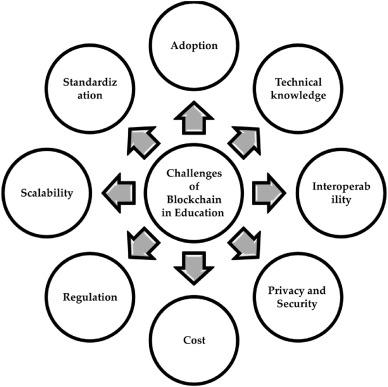
While blockchain adoption in higher education brings exciting prospects, institutions may face challenges:
- Technical Integration: Legacy systems may not align seamlessly with blockchain solutions.
- Regulatory Hurdles: Different jurisdictions have varying regulations regarding blockchain-issued credentials.
- Stakeholder Buy-in: Ensuring broad acceptance among students, staff, and employers requires persistent awareness-building.
Nevertheless, as more universities succeed with pilot projects and large-scale rollouts, blockchain is rapidly evolving from niche applications to mainstream solutions in higher education.
Conclusion: Blockchain—The gateway to the Future of Higher Learning
The rapid pace of blockchain innovation in higher education signals a future where academic credentials are borderless, secure, and universally recognized. From tamper-proof diplomas to streamlined administrative processes, blockchain empowers both institutions and students to navigate a more transparent, efficient educational ecosystem.
As demonstrated by pioneering institutions like MIT, University of nicosia, and Malta’s Ministry for Education, embracing blockchain technology delivers transformational value. Universities looking to remain relevant, trustworthy, and globally competitive should consider integrating blockchain solutions today.
Ready to future-proof your institution? Start exploring blockchain platforms and best practices for higher education now—unlocking transparency, security, and prospect for your academic community.