
Revolutionizing Learning: Case Studies of Blockchain in Higher Education
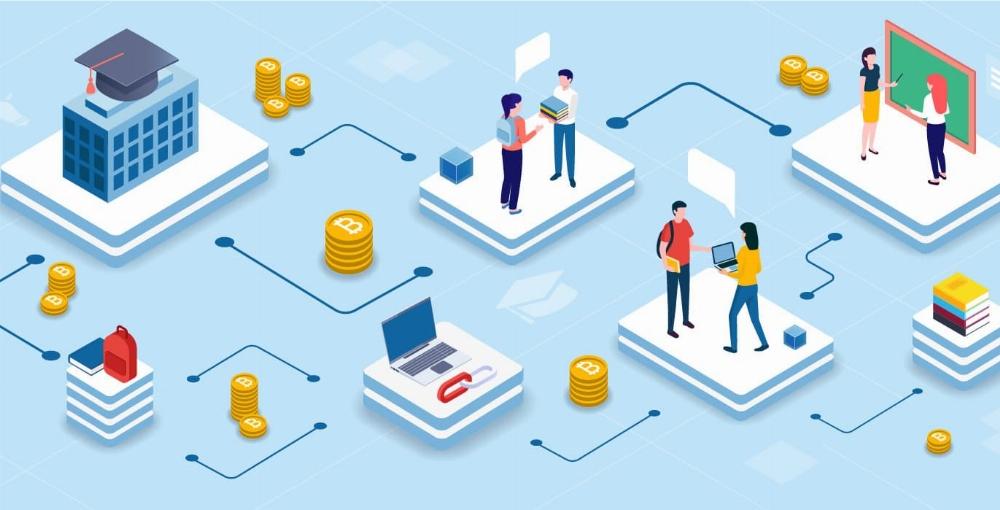
The rapid evolution of technology is transforming the landscape of higher education worldwide. Among the most important innovations is blockchain technology, which is increasingly being integrated into academic institutions too securely manage records, verify credentials, and foster institutional transparency. In this thorough article, we’ll explore how blockchain is revolutionizing learning with actionable case studies, uncover the benefits of blockchain in higher education, and provide practical tips for educators and institutions poised to embrace this digital revolution.
Why Blockchain in higher Education Matters
Blockchain’s decentralized and obvious architecture makes it a perfect fit for higher education systems that depend on trust, authenticity, and security. By leveraging blockchain, universities and colleges can:
- eliminate credential fraud by issuing tamper-proof digital diplomas and certificates
- Reduce administrative overhead through automated verification and smart contracts
- Enable seamless credit transfer across institutions and international borders
- Empower students with ownership of their educational data and lifelong learning records
- Improve trust between students, employers, and educational providers
These features are accelerating the global movement toward blockchain-powered education, enabling a more efficient, transparent, and student-centric academic environment.
How Blockchain Works in Education
At its core, blockchain is a distributed ledger technology—a decentralized database that stores records in encrypted blocks, linked together for transparency and security. In higher education, blockchain can store a variety of data:
- Student transcripts and course histories
- Academic degrees and professional certificates
- Micro-credentials and digital badges for short courses or skill mastery
- Attendance records and participation in extra-curricular activities
- Research outputs and published work
These blockchain records are easily verifiable, universally accessible to authorized users, and immutable, meaning they cannot be altered or forged once they’re stored.
Case Studies: Blockchain in Higher Education
To understand the real-world impact of blockchain in higher education, let’s examine several pioneering institutions that are leading this educational transformation.
1. MIT: Digital Diplomas via the Blockcerts Platform
Massachusetts Institute of Technology (MIT) introduced Blockcerts, a blockchain-based credentialing system, to issue digital diplomas to its graduates. The benefits include:
- Graduates receive a digital, tamper-proof diploma alongside their traditional degree
- Employers and institutions can verify credentials instantly and independently
- Alumni have lifelong, secure access to their digital credentials
2. University of Nicosia: Blockchain for degree Verification
The University of Nicosia in Cyprus is internationally recognized as a trailblazer in blockchain adoption.They launched one of the world’s first Master’s programs in Blockchain and Digital Currency and allow students to:
- Receive digital certificates on the Bitcoin blockchain
- Share and verify their degrees with employers and educational bodies globally
- Experience reduced verification time and costs
3. Sony Global Education & IBM: Secure Student Data Management
Sony Global Education, in partnership with IBM, developed a blockchain solution for managing and exchanging student records. This system allows institutions to:
- Securely store and share student achievement data
- Enable real-time access and data portability for students, parents, and educators
- Protect sensitive student information against fraud and unauthorized access
4. The Open University UK: the Open Blockchain Initiative
the Open University in the UK is exploring blockchain for lifelong learning passports. Their initiative,’Open Blockchain,’ aims to create a dynamic record of all student learning—from degrees to professional development courses—empowering learners to control their educational journeys.
Key Benefits of Blockchain in Higher Education
Implementing blockchain brings both students and institutions a range of significant advantages:
- Enhanced Security: Encryption and decentralization make academic credentials virtually impossible to forge or alter.
- Instant Verification: Employers and other universities can instantly confirm the authenticity of degrees.
- Administrative Efficiency: Automation minimizes paperwork, reduces errors, and lowers administrative costs.
- Increased Transparency: Students, educators, and administrators gain visibility into the credentialing process.
- lifelong Learning Support: Learners maintain a permanent, portable record that supports continuing education and career changes.
Practical Tips for Educators and Institutions
As blockchain adoption grows, educational leaders can follow these strategies to maximize the impact of this technology:
- Start with Pilot projects: Implement blockchain for specific use cases—like diploma issuance or digital badges—to gain experience and measure results.
- Collaborate with Tech Partners: Work with technology companies or blockchain consortiums to ensure expertise, security, and scalability.
- Focus on Interoperability: Choose blockchain solutions that can integrate with existing student information systems and other institutions for broader adoption.
- Prioritize Data Privacy: Make sure student data is protected and compliant with local privacy regulations such as GDPR.
- Educate Stakeholders: Provide training for staff, students, and employers to understand and utilize blockchain credentials effectively.
First-Hand Experience: voices from the Blockchain Revolution
“Receiving my MIT diploma on the blockchain felt empowering. I could send it to employers without waiting for the registrar,and they could verify it instantly.”
– MIT Graduate, 2018
“Blockchain made our international student admissions much smoother, with verifiable academic records from around the world.”
– University Admissions Officer, Nicosia
These testimonials highlight how blockchain is not just a buzzword but a practical tool reshaping educational administration, recognition, and student empowerment.
Challenges and Future Outlook
- Standardization: Diverse blockchain platforms and credential formats can make interoperability tough. industry-wide standards are needed.
- Regulatory Compliance: Data privacy laws must be carefully considered in blockchain deployments.
- Upfront costs: Initial investment in technology and training can be a barrier for some institutions.
- Adoption Gaps: Broader adoption hinges on institutional buy-in and ongoing digital transformation initiatives.
Despite these challenges, the trend toward decentralized education systems continues to accelerate. Higher education’s embrace of blockchain is creating opportunities for innovation, global connectivity, and student empowerment.
Conclusion: The Future is Blockchain-Enabled
Blockchain in higher education is more than a technological upgrade—it’s a paradigm shift. By automating trust, ensuring authenticity, and empowering students, blockchain is set to become the backbone of digital education. Accomplished case studies from MIT, the University of Nicosia, and others demonstrate both the promise and potential of this transformative technology.
As universities continue to experiment and adopt blockchain solutions,the future of learning will be increasingly secure,global,and student-centric. Institutions ready to lead this revolution will not only enhance educational outcomes but also build trust in a digital-first world.
For those looking to stay ahead of the curve, now is the time to explore, experiment, and embrace the blockchain revolution in higher education.