
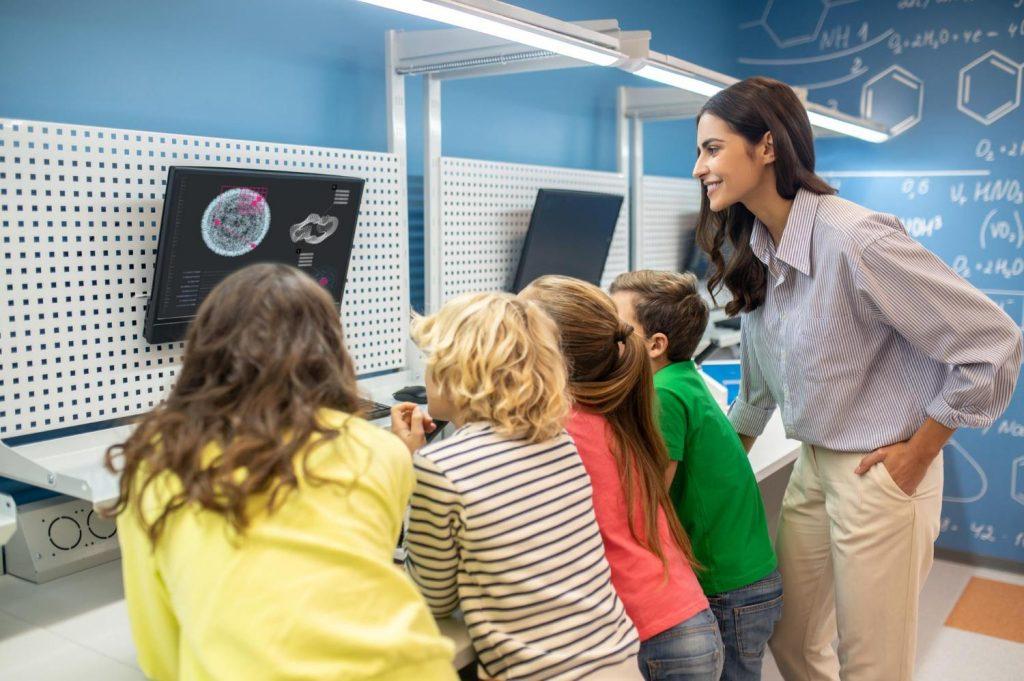
Revolutionizing Learning: How AI is Personalizing Education Worldwide
The landscape of education is undergoing a massive conversion, thanks to the remarkable advancements in artificial Intelligence (AI). From customized lesson plans to smart tutoring systems, AI-powered technologies are revolutionizing learning by personalizing education for students around the globe.In this in-depth article,we explore how AI is reshaping educational experiences,boosting student achievement,and preparing learners for the future.
Keywords: AI in education, personalized learning, Artificial Intelligence, adaptive learning, education technology, EdTech, classroom AI solutions.
Understanding Personalized Education with AI
Personalized education refers to the adaptive learning approach that tailors curriculum, pace, and instructional style to individual student needs. With the help of Artificial Intelligence in education, personalized learning has become more accessible and effective. From analyzing vast amounts of student data to predicting learning gaps, AI algorithms now empower educators to meet each learner where they are.
- Data-driven insights: AI interprets test scores, behavior, and engagement to gauge student progress.
- Adaptive platforms: EdTech tools create dynamic lessons adapting to each student’s strengths and weaknesses.
- Continuous feedback: AI-backed systems offer real-time feedback, allowing instant adjustment of teaching strategies.
Key Benefits of AI-Powered Personalized Learning
integrating AI into education systems unlocks a range of advantages that benefit students, teachers, and institutions alike. Here are some ways AI is making personalized education a game-changer:
1. Enhanced Student Engagement
AI in classrooms utilizes interactive tools and gamified learning experiences, keeping students motivated and invested in their learning journey.
2. Individualized Learning Paths
Unlike traditional one-size-fits-all instruction, AI analyzes learning styles and paces, allowing for customized lesson plans that adapt as students grow.
3. Real-Time Progress Tracking
Intelligent tutoring systems and learning management platforms provide instant feedback, allowing teachers to monitor student progress and intervene early when gaps appear.
4. Increased Teacher Efficiency
AI assists educators by automating administrative tasks like grading and attendance, freeing up more time to focus on teaching, mentoring, and personal interactions.
5. Expanding Access and Inclusivity
AI-driven translation,text-to-speech,and tailored accessibility tools break down barriers for students with disabilities and non-native language speakers,widening educational access globally.
AI in action: Real-World Case Studies
Let’s take a closer look at how AI-powered solutions are transforming the educational landscape across diverse settings and student populations.
Case Study 1: Squirrel AI Learning (China)
Squirrel AI, a pioneering EdTech firm, leverages AI to create adaptive personalized tutoring for over a million students. Their platform uses algorithms to assess learning gaps in real-time, adjusting content and difficulty accordingly. Studies show that students using Squirrel AI achieved substantially higher test scores and learning efficiency compared to traditional instruction.
Case Study 2: carnegie Learning (United States)
Carnegie Learning’s MATHia platform employs machine learning to analyze how students solve problems, providing instant hints and feedback. The company reports that classrooms integrating their AI-driven solution see increased math comprehension and student confidence.
Case Study 3: Century Tech (United Kingdom)
Century tech’s AI-based platform tailors learning experiences for K-12 and higher education students. Thanks to its analytics dashboard,teachers can identify students needing extra support and allocate resources more efficiently.
First-Hand Experiences: The Voice of Learners and Educators
“As our school started using AI-powered adaptive quizzes, I feel like my learning is finally matching my pace. I get extra help when I’m stuck, and I move ahead when I’m ready!”
– Emily, high School Student
“AI saves me hours every week on grading and routine admin work. Those extra hours, I spend with my students, which is the moast rewarding part of teaching.”
– Mr.Ahmed, Mathematics Teacher
These firsthand experiences echo a worldwide trend: AI tools are making personalized learning practical and impactful for millions.
Practical Tips for Integrating AI in the Classroom
- Start small: Begin with AI-powered tools that target a specific subject or learning need, such as adaptive reading apps or personalized quizzes.
- Prioritize privacy: Ensure all EdTech solutions comply with data privacy standards and protect students’ personal information.
- provide teacher training: Invest in ongoing professional development to help educators leverage AI tools effectively.
- Encourage student agency: Involve students in choosing and customizing their preferred AI-supported resources.
- Measure impact: Regularly assess learning outcomes and make data-informed adjustments to maximize benefits.
The Future of AI in Education: Challenges and Opportunities
As with any technological revolution, integrating AI in education presents both opportunities and challenges. Below are some key considerations for stakeholders invested in the future of learning:
Opportunities
- Democratize learning by making high-quality education available to remote and underserved communities.
- Offer lifelong learning pathways through AI-driven upskilling and reskilling programs.
- Fuel global collaboration among educators, learners, and technologists to innovate rapidly.
Challenges
- Addressing digital divide issues—ensuring all students have access to necessary technology and reliable internet.
- Maintaining ethical standards in AI, especially around data collection, privacy, and algorithmic bias.
- Ensuring human connection and social-emotional learning remains central to educational experiences.
Conclusion: Embracing AI for an Empowered Learning Future
AI is revolutionizing education by enabling truly personalized learning, adapting resources to every student’s unique journey. as schools, universities, and training providers worldwide continue to adopt AI-powered solutions, the possibilities are boundless—richer engagement, improved achievement, and greater educational equity.
The key to success lies in collaboration: educators, learners, policymakers, and technology developers working together to harness AI’s transformative power while upholding the human core of education. as we embrace this new era, the ultimate goal remains unchanged: empowering every learner to reach their fullest potential.
Ready to revolutionize your classroom? Explore the latest AI-powered educational tools and join the movement towards a smarter, more personalized future in learning.