
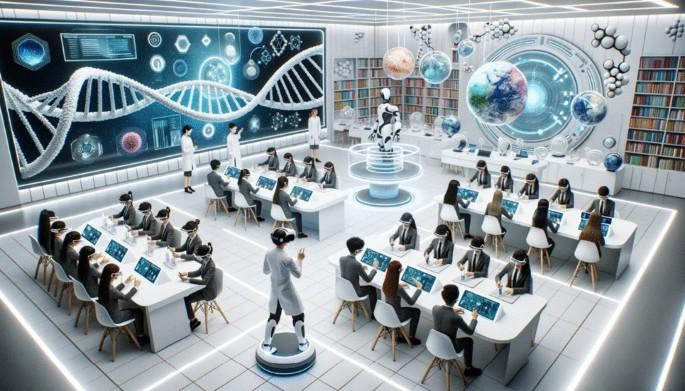
Revolutionizing Learning: Sustainable Technologies in Educational Settings for a Greener Future
As educational institutions worldwide strive for progress, embracing sustainable technologies is no longer a choice—it’s a necessity. Discover how schools and universities are adopting green solutions, fostering eco-friendly learning environments, and equipping future generations for a sustainable tomorrow.
Introduction: Why Sustainability Matters in Education
The urgency of climate change and environmental degradation compels every sector, including education, to rethink its approach. Educational institutions occupy a unique position: not only are they major consumers of energy and resources, but they also have the power to shape values, creativity, and habits for a greener future. Revolutionizing learning via sustainable technologies transforms not just classrooms, but also cultural mindsets. In this article, we explore how sustainable technologies in educational settings are reimagining the way we teach, learn, and care for our planet.
What are Sustainable Technologies in Education?
Sustainable technologies in education refer to digital tools, infrastructure, and systems designed to minimize environmental impact while enhancing the learning experience. These innovations include:
- Energy-efficient lighting, heating, and cooling systems in schools
- Digital learning platforms that reduce paper use
- Solar panels and renewable energy systems
- Low-energy IT hardware and green data centers
- Recyclable classroom furniture and materials
- Eco-friendly architecture and passive building designs
By integrating these solutions, educational settings considerably lower their carbon footprint and educate by example.
Key Benefits of sustainable Technologies in Educational Settings
- Environmental Impact: Lower energy consumption, reduced greenhouse gas emissions, and less waste production.
- Cost Savings: Efficient systems and renewable energy sources decrease operational costs in the long run.
- Healthier Learning Environments: Improved air quality, thermal comfort, and daylight exposure support student well-being and focus.
- Future-Ready Skills: Exposure to sustainable practices equips students with the mindsets and skills needed for a green workforce.
- enhanced Reputation: Green certifications and eco-friendly campuses attract eco-conscious students, staff, and partners.
Top Sustainable Technologies Reshaping Education
1.Digital and Paperless Classrooms
By embracing cloud-based learning management systems like Google Classroom,Microsoft Teams,and Moodle,schools drastically reduce paper and printer usage.eBooks, digital assignments, and online assessments not only save resources but also enable instant feedback and collaborative learning.
2. Renewable Energy Integration
Installing solar panels or small wind turbines on school rooftops can power facilities sustainably, sometimes even generating surplus energy. many schools also use energy management systems (EMS) to monitor and optimize energy usage in real-time.
3. Smart Building Design and Retrofitting
Green buildings make use of passive solar designs,natural ventilation,green roofs,and rainwater harvesting. Retrofitting older schools with energy-efficient windows, insulation, and LED lighting can dramatically lower utility bills and carbon emissions.
4. Low-Impact IT infrastructure
Adopting energy-saving computers, servers, and sustainable procurement policies limits e-waste. Virtual desktop infrastructure (VDI) and cloud computing further consolidate resources and minimize hardware needs.
5. Eco-Conscious Transportation solutions
Encouraging the use of electric buses, bike-sharing, or carpool programs reduces the carbon footprint of school commutes and logistics.
Case Studies: Sustainable Technologies in Action
Green School, bali
Green School in Bali, Indonesia, is internationally renowned for its bamboo architecture, renewable energy systems, and outdoor classrooms. Its open-air design maximizes natural ventilation, while solar panels cover a significant portion of the campus’s electricity needs. Students actively participate in sustainability initiatives, learning firsthand about circular economies and eco-friendly innovation.
Nanyang technological University, Singapore
NTU Singapore boasts one of the greenest campuses in Asia, featuring rainwater-fed cooling systems, solar energy, and green roofs on many buildings. Their learning environment demonstrates how higher education can lead by example in achieving carbon neutrality.
The solar Schools Project, United Kingdom
Across the UK, the Solar Schools Project helps primary and secondary schools crowdfund and install solar panels, teaching students about renewable energy and involving the community in sustainable action.
Practical Tips for Implementing Sustainable Technologies in Schools
- Perform an energy audit: Assess current energy use to target the most impactful green upgrades.
- Engage stakeholders: Involve students, teachers, staff, and the community early in sustainability initiatives.
- Pilot projects: Start small—install solar panels on one building, or introduce a paperless policy in select classes.
- invest in training: Offer professional development for teachers on using green technologies in instruction.
- pursue green certifications: Aim for LEED, BREEAM, or local green building certifications.
- Tap into government grants: Seek funding and partnerships to overcome initial financial barriers.
Remember, every step towards sustainability—no matter how small—can collectively make a significant environmental impact.
First-hand Experiences: Voices from the Classroom
“Our school implemented a solar power initiative and shifted to digital textbooks. Students are excited to track our energy savings and see the tangible difference we’re making. It’s fostering a culture of obligation and innovation.”
— Jessica L., Science Teacher
”Introducing compost bins and a rainwater garden in our elementary school not only reduced our waste but became a living lab for environmental science classes.”
— Mike R., Principal
Looking Ahead: The Future of Greener Education
The convergence of sustainability and digital innovation holds immense promise. As artificial intelligence, the Internet of Things (IoT), and smart analytics become more accessible, educational settings can further optimize energy consumption and enhance curriculum relevance. Future classrooms may feature automated windows, personalized e-learning paths based on real-time eco-goals, and immersive sustainability experiences through augmented reality. The goal remains clear: empower the next generation to lead with innovation, empathy, and an unwavering commitment to a greener future.
Conclusion: Transforming Education—One Green Step at a Time
Sustainable technologies in education are more than just tools; they are the foundation of empowered, environmentally conscious communities. Embracing these innovations enhances not only resource efficiency, but also the quality, inclusivity, and future-resilience of learning environments. As we continue to revolutionize learning, each institution’s commitment—no matter how modest—lights the way towards a sustainable and inspiring tomorrow.
Ready to transform your school or campus? Start with one green change—your students, your community, and the planet will thank you.