
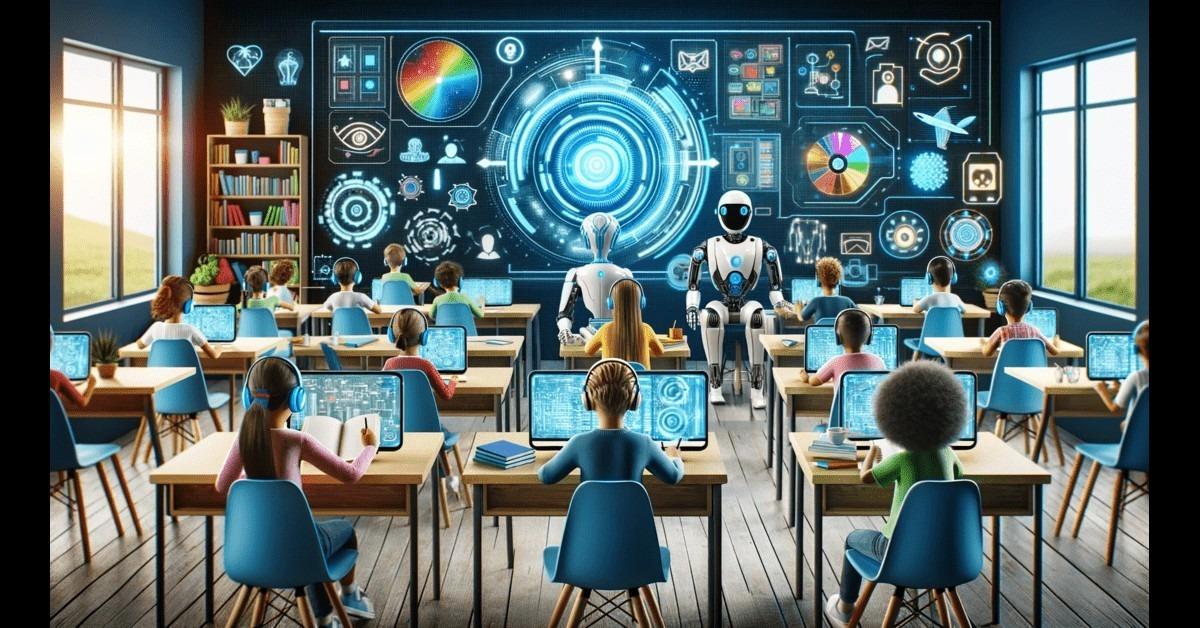
Revolutionizing Learning: Top Sustainable Technologies in Modern Educational Settings
Welcome to a new era where sustainable technologies in education aren’t just buzzwords—they’re shaping the future of learning. As schools, colleges, and universities prioritize environmental stewardship, innovative educational tools are enabling better engagement, cost savings, and reduced carbon footprints. In this thorough guide, we’ll delve into the transformative impact of sustainability-driven technology, highlight leading solutions, and offer practical tips for triumphant implementation.
Why Sustainable Technologies Matter in Education
Sustainability in education isn’t just about installing solar panels or recycling paper—it’s a holistic approach that addresses resource efficiency, long-term cost savings, and the well-being of students and staff. Modern educational settings face unique sustainability challenges, from outdated infrastructure to high energy demands.Innovative technologies offer powerful solutions:
- Lower operational costs: Energy-efficient systems and digital tools help stretch tight budgets further.
- Reduce carbon footprints: Eco-friendly installations minimize pollution and set an example for future generations.
- Enhance student engagement: Interactive, green tech bolsters active learning and personal obligation.
- Support flexible learning: Sustainable tools accommodate remote and hybrid teaching without compromising impact.
Top Sustainable Technologies Shaping Modern Educational Settings
Let’s explore the leading sustainable technologies driving improvements across the educational landscape, with a focus on environmental impact, pedagogical enhancements, and scalability.
1. Solar Energy Solutions
Solar panels have rapidly gained adoption in schools worldwide, providing clean energy and considerable cost savings over time. These systems often include battery storage to ensure uninterrupted power supplies and digital monitoring tools for real-time energy management.
- Reduces dependency on grid electricity
- Provides educational opportunities for STEM learning
- Qualifies schools for sustainability grants and incentives
“By installing solar panels, Jefferson Middle School cut annual energy bills by 40% and empowered students with a hands-on solar monitoring project.”
2.Green Building Materials and Smart Design
Educational institutions are harnessing eco-friendly construction materials like recycled steel, low-VOC paints, and bamboo flooring to create healthier learning environments. Coupled with smart building design—think natural lighting,passive heating/cooling,and green roofs—these materials drastically reduce environmental impact.
- Improved indoor air quality for better concentration
- Lower maintenance and utility costs over the building’s lifespan
- Support for LEED and other sustainable certifications
3. Interactive Digital Platforms
Cloud-based learning management systems (LMS) and digital whiteboards minimize paper waste and enhance collaborative learning. popular platforms like Google Classroom and Moodle offer eco-friendly features, including:
- Paperless assignments and grading
- Remote access, reducing the need for commuting
- Scalable content delivery for large and small institutions
These digital resources also integrate seamlessly with other sustainable technologies, such as solar-powered devices and energy-efficient servers.
4. Energy-Efficient Classroom Tech
From LED lighting to efficient HVAC systems, modern classrooms are turning toward low-power devices and appliances. Energy Star-certified projectors, computers, and interactive monitors not only lower electrical consumption—they also reduce heat emissions and noise, creating more comfortable settings for students and teachers.
- Automatic power-off settings save energy
- Smart thermostats improve heating/cooling control
- Longer-lasting devices with reduced e-waste
5. Water Conservation Technologies
Water-saving fixtures such as smart faucets, low-flow toilets, and rainwater harvesting systems optimize freshwater use throughout the campus. These solutions are often paired with real-time monitoring sensors to track and report usage patterns, enabling facilities managers to pinpoint leaks or inefficiencies before they balloon into bigger problems.
- Conserves water resources and cuts utility bills
- Educates students about resource management
- Reduces the school’s overall environmental impact
6. Digital Curriculum & E-Textbooks
Gone are the days of bulky, quickly outdated textbooks.E-books and digital libraries provide students with instant access to up-to-date materials, scalable for large classes or distance learning. Not only do these resources minimize paper usage, but they also free valuable funds for other sustainable investments.
- Reduces paper waste
- Supports personalized, adaptive learning pathways
- Accessible anywhere, anytime
Benefits of Embracing Sustainable Technologies in Education
Investing in sustainable educational technology brings multifaceted advantages:
- Environmental Responsibility: Lowers schools’ carbon footprints and fosters green citizenship among students.
- Economic Savings: Energy and resource efficiency result in significant financial gains over time.
- Enhanced Learning Outcomes: Engaging, interactive tools led to higher student motivation and academic performance.
- Community Engagement: Schools become flagships of sustainability, inspiring parents and local organizations to take action.
Practical Tips for Integrating Sustainable Technologies
Successfully implementing sustainable technologies requires careful planning and stakeholder engagement. Here’s how to get started:
- Conduct an Eco-Audit: Assess current energy,water,and resource use to identify priority areas for advancement.
- Start Small: Pilot new technologies in select classrooms or departments before campus-wide rollout.
- Engage Students: Involve learners in sustainability projects, like monitoring energy usage or designing recycling campaigns.
- Leverage Funding Opportunities: Apply for green grants and government incentives to offset initial investment costs.
- Train Staff: Offer PD (Professional Development) sessions on using new tools and systems to guarantee smooth adoption.
- Document Progress: Track savings, performance, and engagement metrics to communicate impact and tweak strategies.
Case Studies: Real-World Examples of Sustainable Technologies in Educational Settings
Case Study 1: Green School Bali
The internationally recognized Green School Bali is a living laboratory of sustainability. Classrooms are constructed from bamboo; solar, micro-hydro, and bio-composting toilets keep the school off the grid. Students actively manage gardens, renewable energy systems, and natural building techniques, integrating sustainability into every lesson.
- 70% reduction in overall energy consumption
- Wholly off-grid during peak hours
- Sustainability woven into daily curriculum
Case Study 2: San Diego Unified’s Smart Water Monitoring
San Diego Unified School District implemented real-time water monitoring devices across campuses. Combined with educational programs for students, these tools cut annual water usage by 20%, saving the district thousands each year and directly involving learners in sustainability efforts.
- Rapid identification of leaks and inefficiencies
- Student-led water conservation challenges
- Annual savings reinvested in other green projects
First-Hand Experience: Educators Embracing Sustainable Change
Teachers across the globe are witnessing the positive effects of sustainability-focused tech. Emily Tan, a STEM educator from California, shares:
“When our school adopted digital textbooks and solar-powered tablets, not only did our students become more engaged, but the savings enabled us to fund new science labs.It was a win for the surroundings and a win for creative learning.”
Future Trends: Sustainability’s Role in the Next Generation of Learning
The call for sustainable educational technology is only growing stronger, fueled by student activism, government incentives, and rapid innovation. Expect to see:
- AI-powered automation to improve energy management
- Widespread adoption of biodegradable and recyclable devices
- Virtual reality (VR) tools for immersive eco-education
- Community-wide sustainability partnerships linking schools, businesses, and local governments
Conclusion: The Path Forward for Sustainable Modern Education
As educational settings adapt to meet both pedagogical demands and environmental challenges, the integration of sustainable technologies is no longer optional—it’s essential. By embracing innovations like solar energy, green building materials, digital learning platforms, and efficient water management, schools and universities can reduce their impact, enrich their communities, and offer 21st-century learners the tools they need to succeed in a changing world.
Ready to take the next step? Start with a sustainability audit, inspire your staff and students, and explore which technologies offer the greatest promise for your institution. The revolution in learning is here—and it’s greener than ever.