
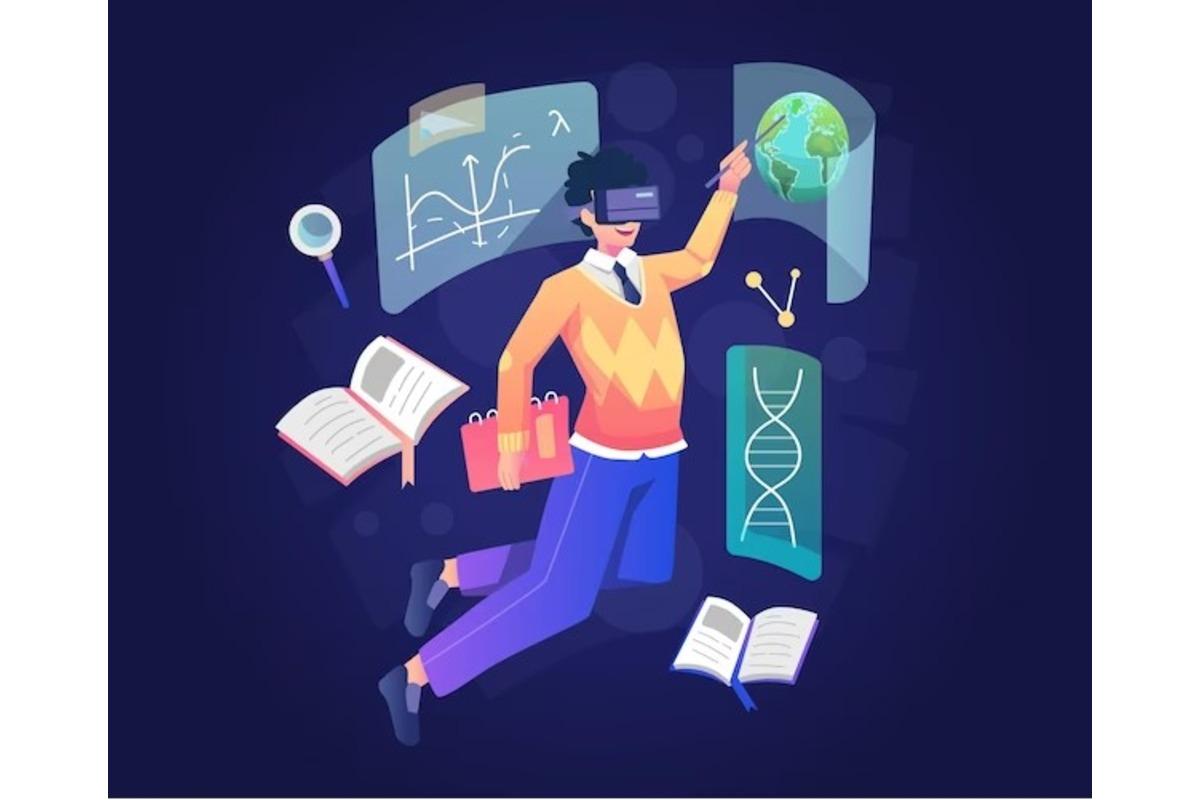
Revolutionizing Modern Education: How VR/AR Drive Immersive Learning Experiences
Modern education is undergoing a transformative shift, thanks to Virtual Reality (VR) and Augmented Reality (AR) technologies. These immersive learning tools are reshaping the way educators teach and how students absorb knowledge, sparking unprecedented engagement and enhancing retention. As schools and universities adopt innovative EdTech solutions, discovering how VR/AR drive immersive learning experiences becomes crucial for educators, students, and educational leaders alike.
Understanding VR and AR in Education
Virtual Reality (VR) and Augmented Reality (AR) technologies introduce highly interactive learning environments. VR immerses students in a completely virtual space, while AR overlays digital content onto the real world via devices like tablets, smartphones, or AR headsets.
VR in education, AR in classrooms, immersive learning, augmented reality apps, virtual field trips, experiential learning, interactive lessons, EdTech, gamification in education.
Benefits of VR/AR-Driven Immersive Learning Experiences
Integrating VR and AR into education offers countless advantages over customary methods. Here are some of the most significant benefits:
- Enhanced Engagement: Students interact with 3D simulations, boosting focus and participation.
- Deeper Understanding: Complex concepts become tangible—think dissecting virtual frogs or exploring the solar system in 360 degrees.
- Active Learning: VR/AR supports hands-on experiences, moving learners from passive consumption to active exploration.
- Accessibility: immersive learning allows for personalized instruction across learning styles and abilities.
- Safe Practice: Simulations allow students to experiment safely, whether practicing chemistry, surgery, or engineering.
- Global Collaboration: Students can virtually meet and collaborate with peers worldwide, fostering cross-cultural understanding.
Real-World Case Studies: VR/AR Transforming Classrooms
Numerous institutions have successfully integrated VR/AR solutions,demonstrating their power in real-world settings. Here are some notable examples:
Case Study 1: Virtual Field Trips at Washington Leadership Academy
Washington Leadership Academy in Washington D.C. implemented VR-based field trips, allowing students to explore ancient Rome, the ocean’s depths, and outer space — all without leaving the classroom. This approach increased student curiosity and motivation to learn.
Case Study 2: AR-Assisted Science Labs in Finland
Finnish schools use AR to enhance science lessons. With AR apps, students view 3D molecules, conduct virtual chemistry experiments, and visualize physics in action. These activities resulted in better comprehension and higher test scores.
Case Study 3: VR Medical Training at Case Western Reserve University
Medical students at Case Western use VR to simulate surgeries and visualize anatomical structures in 3D. This hands-on practice reduces anxiety, improves skills, and accelerates learning compared to traditional textbooks or lectures.
first-Hand Experience: A Teacher’s Outlook on Immersive Learning
Sarah Williams, a high school science teacher, shares how VR transformed her classroom:
“Introducing VR headsets for biology field trips has been a game-changer. My students experienced the amazon rainforest, observed animal behaviors up close, and even traveled inside the human circulatory system. Their excitement was palpable, and I noticed a significant improvement in their understanding and retention. Students who normally struggled with attention found themselves deeply engaged.”
Practical Tips for Implementing VR/AR in Modern Education
Ready to revolutionize your teaching with immersive learning tools? Here are practical tips to get started:
- Choose the Right Platform: Assess VR/AR hardware (like Google Cardboard, Meta Quest, or iPads) for compatibility with your curriculum and budget.
- Select Educational apps: opt for reputable AR/VR apps designed for education—examples include Nearpod VR, zspace, and Merge Cube.
- Start Small: Integrate VR/AR in select lessons or modules before scaling up. Gather student feedback to fine-tune your approach.
- Professional Growth: Provide training for teachers. Many EdTech companies offer tutorials and resources to help educators adapt.
- Collaborate: Connect with other schools or join online educator communities to share best practices and lesson ideas.
- Focus on Accessibility: ensure solutions accommodate all students, including those with disabilities, by leveraging inclusive design principles.
Challenges and Considerations in VR/AR Education
While VR/AR offer revolutionary learning experiences, educators should consider the following challenges:
- Cost: High-quality VR headsets and AR devices may require significant investment.
- Infrastructure: Reliable Wi-Fi and technical support are essential.
- Content Quality: Not all VR/AR apps are created equal. Review content for accuracy and relevance.
- Screen Time: Monitor usage to balance immersive technology with other instructional methods.
- Training: Teachers require support and ongoing learning to harness the full potential of these tools.
The Future of VR/AR in Modern Education
Emerging trends suggest that VR and AR will become ever more integral in education:
- AI Integration: Machine learning will personalize immersive learning, adapting environments to individual student strengths and needs.
- Remote Learning Enhancements: VR classrooms could make remote education more effective and engaging.
- Multidisciplinary Experiences: Cross-curricular applications will create rich, interconnected learning journeys.
- Wider Adoption: As costs decrease and access improves, more schools will integrate VR/AR across grades and subjects.
- Social Learning: Virtual worlds will enable group projects, collaboration, and peer-to-peer interaction in a meaningful way.
Conclusion: Embracing the VR/AR Revolution for Lifelong Learning
VR and AR aren’t just futuristic buzzwords—they are powerful educational tools that empower students through immersive, hands-on experiences. By fostering curiosity and enabling deeper learning, VR and AR will continue to shape the future of modern education. For educators, administrators, and parents, embracing these technologies means investing in a brighter, more engaging, and inclusive future for learners of all backgrounds.
Ready to join the immersive learning revolution? Explore VR/AR solutions, connect with fellow educators, and reimagine the modern classroom for lifelong success.