
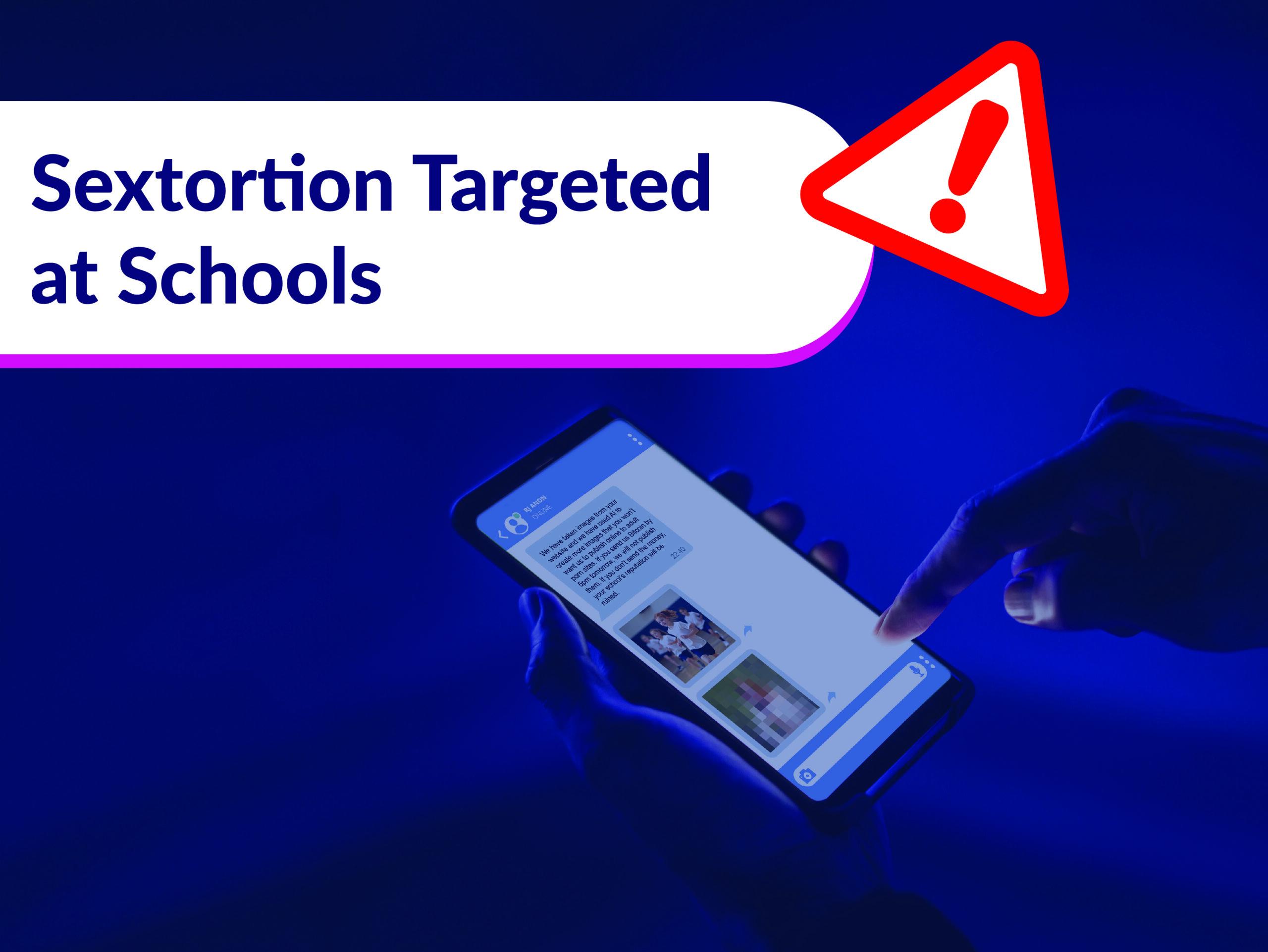
Safeguarding Schools: Essential Cybersecurity Strategies for Educational Institutions
Introduction: Why Cybersecurity in Schools Can’t Be Ignored
In the digital age, cybersecurity for schools has evolved from a technical afterthought to an absolute necessity. Educational institutions—ranging from local elementary schools to major universities—frequently store vast amounts of sensitive data, including student records, financial details, proprietary research, and more. As schools integrate technology into the classroom and administration, they become prime targets for cyber attacks.
Cyber threats in educational settings can be devastating, leading to data breaches, disruptions of learning environments, and notable financial losses. That’s why understanding and implementing effective cybersecurity strategies for educational institutions is essential for safeguarding students, staff, and critical digital assets.
The Growing Threat Landscape for Educational Institutions
According to the FBI, K-12 schools and higher education institutions have seen a spike in ransomware, phishing, and malware attacks since 2020. Hackers are increasingly exploiting vulnerabilities,with motivations ranging from financial gain to data theft or even simple mischief.
- Ransomware attacks can lock school data and demand payment for its return.
- Phishing campaigns target staff and students, tricking them into giving up access credentials.
- Unauthorized data access can lead to breaches of confidential student and faculty details.
- Disruption of digital learning platforms affects teaching, exams, and resources.
These cyber threats can negatively impact education quality, trust, and school reputations. Effective school cybersecurity measures are non-negotiable for modern educational environments.
Key Cybersecurity Strategies for Schools and Colleges
Implementing robust cybersecurity strategies can dramatically reduce the risk of cyber incidents. Here are essential measures every educational institution should consider:
1. Raise Cybersecurity Awareness Among Staff and Students
- Regular cybersecurity training workshops for all faculty and students.
- Teach staff and students to identify phishing emails, suspicious links, and malicious attachments.
- Promote a culture of digital vigilance—encourage reporting of any suspected security issues.
“The first line of defence against cyber threats is an alert and knowledgeable school community.”
2. Enforce Strong Password Policies
- Require strong,unique passwords for all users accessing school systems.
- enforce regular password changes via automated reminders.
- Implement multi-factor authentication (MFA) wherever possible for an extra layer of protection.
3. Keep Software and Systems Up-to-Date
- Regularly patch operating systems, learning management systems, and all installed applications.
- Automate software updates to address known vulnerabilities swiftly.
4. Protect network Infrastructure
- Use robust firewalls and intrusion detection/prevention systems (IDS/IPS).
- Segment networks: Separate administrative, student, and public Wi-Fi networks to limit breach scope.
- Monitor network traffic for any unusual or unauthorized access attempts.
5. Secure Endpoints and Devices
- Install and update antivirus and anti-malware software on all devices.
- Ensure all student-issued devices (laptops, tablets) meet minimum security standards.
- Plan for remote device management, especially with 1:1 device programs.
6. Implement Data encryption and Regular Backups
- Encrypt sensitive data at rest and in transit to prevent unauthorized access.
- Schedule frequent, automated backups of critical data and educational resources.
- Test backup restoration processes annually to ensure reliability during a crisis.
7. Establish and Review Cybersecurity Policies
- Create comprehensive cybersecurity policies for schools covering acceptable use, BYOD (bring Your Own Device), and incident reporting.
- Update policies regularly to match evolving threats and new technologies.
8. Develop an Incident Response Plan
- Prepare a step-by-step cyber incident response plan for breaches or attacks.
- Assign clear roles and responsibilities to response teams.
- Regularly conduct tabletop exercises and simulations to test preparedness.
Benefits of Effective School Cybersecurity Measures
Prioritizing cybersecurity in educational institutions delivers tangible advantages:
- Protects student and staff privacy by safeguarding sensitive information from cyber threats.
- Ensures the continuity of digital learning even in the face of attempted attacks.
- Reduces the risk of data breaches and reputational harm, fostering trust among parents, students, and the broader community.
- Complies with data protection laws such as FERPA, GDPR, and COPPA, avoiding expensive penalties.
- Optimizes resource allocation by preventing costly downtime or disruptions.
Real-World Case Studies: Lessons Learned from School Cyber Attacks
Case Study 1: Ransomware Attack on a School district
In 2022, a large US school district experienced a ransomware attack that crippled its network and disrupted lessons for weeks. The attackers demanded a hefty ransom for data decryption. The district refused to pay, opting to restore from backups. Although the school avoided the ransom cost, the recovery took considerable time and highlighted the crucial need for:
- Regular, secure data backups
- Instantaneous incident response plans
- Continuous cybersecurity training for staff and students
Case Study 2: Phishing Attack Aimed at Financial Fraud
an Australian university was targeted with an advanced phishing email disguised as an IT support request. Several staff members inadvertently provided their credentials, giving attackers access to financial systems. The breach was caught quickly due to vigilant staff and a dedicated cybersecurity team, preventing significant financial loss. This incident emphasizes the importance of:
- Staff awareness training to spot suspicious emails
- Multi-factor authentication on sensitive accounts
- Constant monitoring and rapid response capabilities
Practical Tips for Enhancing Cybersecurity in Schools
- Start small, but act now: Even basic measures like strong passwords and regular updates can thwart many cyber threats.
- Leverage partnerships: Work with local IT firms or cybersecurity providers who offer services tailored to educational institutions.
- Empower digital citizenship: Incorporate cybersecurity education into the regular curriculum to empower students as responsible digital citizens for life.
- Get leadership buy-in: Secure support from school leaders and boards for necessary budgeting and policy changes.
- Review and refine: Continually assess your school’s unique risks and update security strategies to address new threats and technologies.
Conclusion: The Road Ahead for School Cybersecurity
The shift to digital learning has empowered schools to do more than ever, but it has also introduced new risks. By proactively implementing these essential cybersecurity strategies for educational institutions, schools can protect students’ futures, inspire community confidence, and maintain the integrity of educational missions.
Start with thoughtful planning, foster a culture of cybersecurity awareness, and ensure that every stakeholder—from the IT department to teachers in the classroom—plays a part in safeguarding your school’s digital landscape.
Ready to Secure Your School?
Take the first step today: Review your school’s cybersecurity posture and put these practical strategies into action. Your students, staff, and entire school community are counting on your leadership to create a safe digital surroundings.