
Safeguarding Schools: Top Cybersecurity Strategies for Educational Institutions
Introduction: The Evolving Cybersecurity Landscape in Education
The digital conversion within schools and universities has revolutionized education, enabling enhanced learning experiences, remote classrooms, and seamless interaction. Though, with these advancements comes an increased risk of cyber attacks targeting sensitive student data, financial records, and critical infrastructure. Cybersecurity for educational institutions is no longer optional—it’s a fundamental element of a safe and effective learning environment.In this extensive guide, we’ll explore the top cybersecurity strategies schools must adopt to safeguard their communities and ensure digital resilience.
understanding the Biggest Cybersecurity Threats Facing Schools
Before implementing robust cybersecurity solutions, it’s crucial to identify the most common threats facing educational institutions. Among the most prevalent are:
- Ransomware Attacks: Cybercriminals encrypt school data and demand a ransom for its release, often crippling essential systems.
- Phishing Scams: Fraudulent emails or websites that trick staff and students into revealing sensitive facts.
- Data Breaches: Unauthorized access to personal, academic, or financial data of students, teachers, and staff.
- Malware Infections: malicious software that can disrupt operations or harvest confidential data from devices across the school’s network.
- Distributed Denial of Service (DDoS) Attacks: Overwhelming the school’s network to shut down websites or online learning tools.
Why Cybersecurity is Critical for Schools
Educational institutions are often targeted due to their vast stores of sensitive data and,sometimes,limited cybersecurity resources. Securing a school’s digital infrastructure is vital for several reasons:
- Protect Student Privacy: safeguarding personal information is crucial to comply with regulations like FERPA and GDPR.
- Prevent Financial Loss: Data breaches and ransomware can lead to ample financial damage and recovery costs.
- ensure Continuity of Education: Cyber incidents can disrupt online classes, testing, and essential communication platforms.
- Uphold Reputation: cybersecurity failures can damage a school’s trust and reputation with students, parents, and the wider community.
Top Cybersecurity Strategies for Educational Institutions
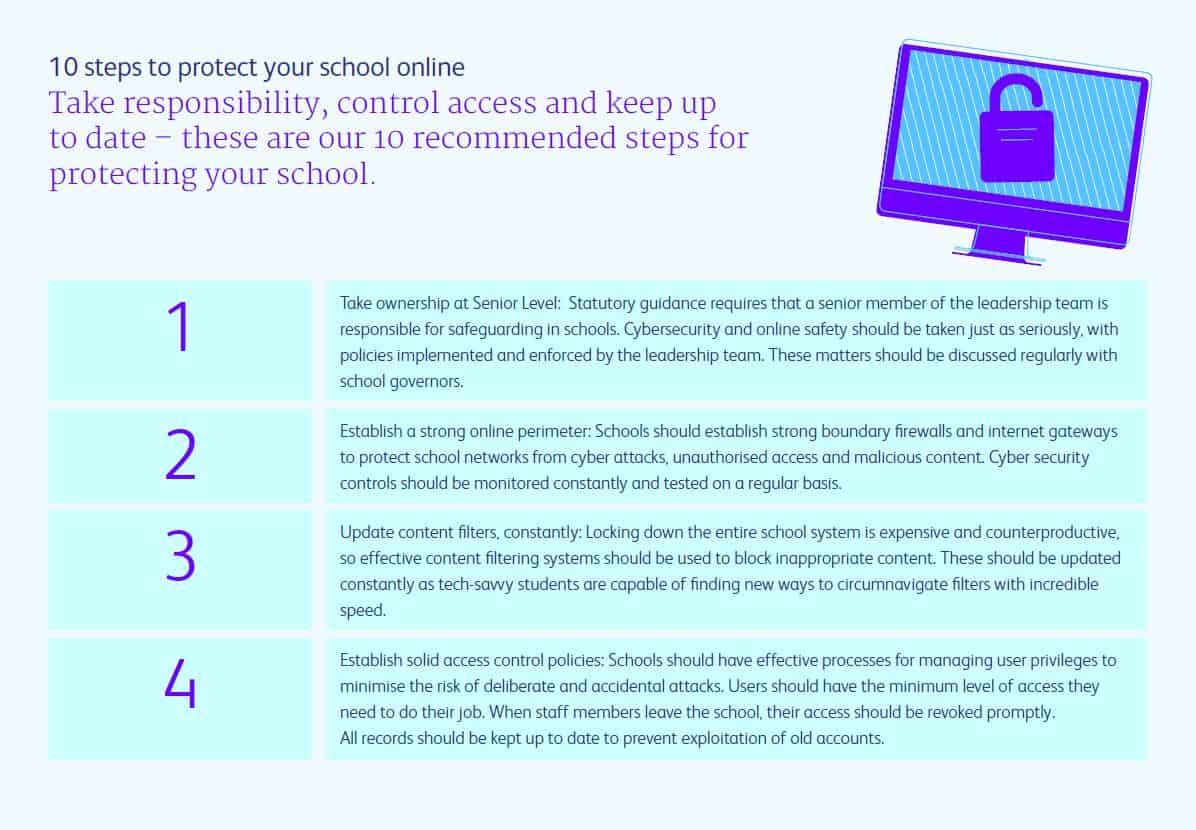
Implementing a comprehensive cybersecurity framework involves a combination of technology, policy, and education. Here are proven strategies schools should adopt:
1. Establish a cybersecurity Policy
Every school should develop, maintain, and enforce a cybersecurity policy for educational institutions. This document outlines acceptable use, defines security protocols, and establishes procedures for responding to incidents.
- Include clear guidelines on data access and device usage.
- Regularly review and update the policy to address new threats.
- Ensure all staff, students, and parents are aware of their responsibilities.
2. Implement Robust Access Controls
Limiting access to sensitive systems minimizes the risk of accidental or malicious data exposure.
- Use role-based access control (RBAC) to grant permission based on need.
- enable multi-factor authentication (MFA) for all critical applications.
- Regularly audit user accounts and permissions.
3. Keep Software and Hardware Up-to-Date
Outdated systems are a common entry point for hackers. Keeping all devices and applications current greatly increases protection.
- Schedule automatic updates for operating systems and software.
- Replace legacy systems that no longer receive vendor support.
- Run vulnerability assessments frequently.
4. Secure the School Network
A secure network prevents unauthorized access and the spread of malware.
- Deploy firewalls and intrusion detection/prevention systems (IDS/IPS).
- Use strong Wi-Fi encryption (e.g., WPA3) and separate guest/student networks from admin/staff networks.
- Monitor network traffic for anomalies or suspicious activity.
5. Educate Staff and Students on Cybersecurity
Cybersecurity training for educational institutions is vital. Human error is a leading cause of security incidents, making awareness training essential.
- run regular workshops and simulated phishing exercises.
- Provide resources on identifying scams and suspicious links.
- Promote a culture of security-mindedness across the community.
6. Backup Data Regularly and Securely
Regular data backups help restore systems quickly after a cyber incident or hardware failure.
- Automate backups of critical data to secure, offsite locations.
- Encrypt backup data and restrict access.
- Test backup restoration procedures to ensure failover readiness.
7. Prepare and test an Incident Response Plan
Having a response plan in place greatly reduces downtime and data loss in the event of a breach.
- Define roles and responsibilities during a cybersecurity incident.
- Establish communication protocols for notifying staff,students,and law enforcement.
- Practice incident response drills regularly.
Benefits of Effective Cybersecurity strategies in Schools
By investing in cybersecurity best practices for schools, educational institutions can expect to:
- build trust: Demonstrating a commitment to data security reassures parents, students, and staff.
- Reduce risks: Proactive measures lower the chances and impact of accomplished cyber attacks.
- Support remote learning: A resilient network supports hybrid and online education models.
- ensure compliance: Meeting legal and regulatory obligations helps avoid fines and penalties.
- Promote digital citizenship: Teaching cybersecurity strengthens students’ online safety skills for life.
practical Tips: How Schools Can Start Strengthening Cybersecurity Today
Not sure where to start? here are some practical, actionable steps schools can implement promptly:
- Appoint a cybersecurity coordinator or partner with local IT security experts.
- Perform a cybersecurity risk assessment to identify vulnerabilities.
- Review permissions for all cloud-based edtech tools and revoke unneeded access.
- Establish clear reporting channels for suspicious activity or security incidents.
- Engage students’ families in online safety conversations and share security tips regularly.
Case Study: A Real-World Example of school Cybersecurity in Action
Case Study: Johnson High School’s Cybersecurity Turnaround
In 2022, Johnson High School became the target of a ransomware attack. The hackers encrypted student records and threatened to expose sensitive data unless paid a substantial sum. Fortunately, due to preventive measures put in place following expert guidance, Johnson High School was able to:
- Restore all systems within 24 hours using secure, recent backups.
- Identify the breach quickly due to automated network monitoring.
- Provide transparency to parents and students through an established communication plan.
- Prevent financial loss and reputational damage thanks to their thorough incident response protocol.
This real-world example demonstrates the value of adopting a layered approach to cybersecurity in schools.
Empowering Educators: Building a Culture of Cybersecurity
The most advanced security technology can only do so much without the support of well-informed staff and students. Fostering a school-wide culture of cybersecurity awareness empowers every member of the educational community to play a role in safeguarding digital assets. Workshops, ongoing professional progress, and digital citizenship curricula are integral in making cybersecurity a shared obligation.
Conclusion: Proactive Protection is Essential for Today’s Schools
As technology continues to shape modern education, cybersecurity strategies for educational institutions must remain adaptable and robust.By understanding potential threats, implementing strong policies, investing in staff and student training, and leveraging the latest security technologies, schools can create a safer digital environment for learning. Remember, the goal isn’t just to prevent cyber incidents, but to foster trust, resilience, and confidence for everyone in the school community.
To further enhance security, schools should collaborate with cybersecurity experts and continuously evaluate and update their defense strategies. by taking these proactive steps, educational institutions can lead the way in making digital learning safe and accessible for all.
keywords: cybersecurity for schools, cybersecurity strategies for educational institutions, school data protection, cybersecurity policy for schools, cybersecurity training for educational institutions