
Sales Development representative Roles in Education: Key Skills & Career Insights
If you’re passionate about education technology and are exploring a dynamic sales career, the role of Sales Development Representative (SDR) in universities, colleges, and schools offers fantastic opportunities. As education technology continues to transform learning environments, demand for talented SDRs who can connect innovative solutions with educational institutions is on the rise. In this comprehensive guide, we’ll dive into what a Sales Development Representative does within the education sector, highlight essential skills, discuss career pathways, and share practical tips to stand out in your job search.
What Is a Sales Development Representative in Education?
A Sales Development Representative (SDR) operates at the frontlines of sales, acting as the crucial link between education technology companies and academic institutions. Whether working for a company selling learning management systems, classroom collaboration tools, or student engagement platforms, SDRs introduce these solutions to schools, colleges, and universities. their main tasks revolve around prospecting leads, qualifying potential customers, and setting up meetings for account executives, all with the aim of increasing adoption of edtech products within the education sector.
Typical Responsibilities of Education SDRs:
- Identify and research potential clients—universities, colleges, and schools—likely to benefit from edtech solutions.
- Reach out to decision-makers (e.g., administrators, IT directors, faculty heads) via calls, emails, and social media.
- Qualify leads to assess their fit and interest in edtech products.
- Set appointments and demos for senior sales staff.
- Collaborate with marketing, product, and customer success teams to tailor proposals for educational institutions.
- Track outreach activities and report results using CRM software.
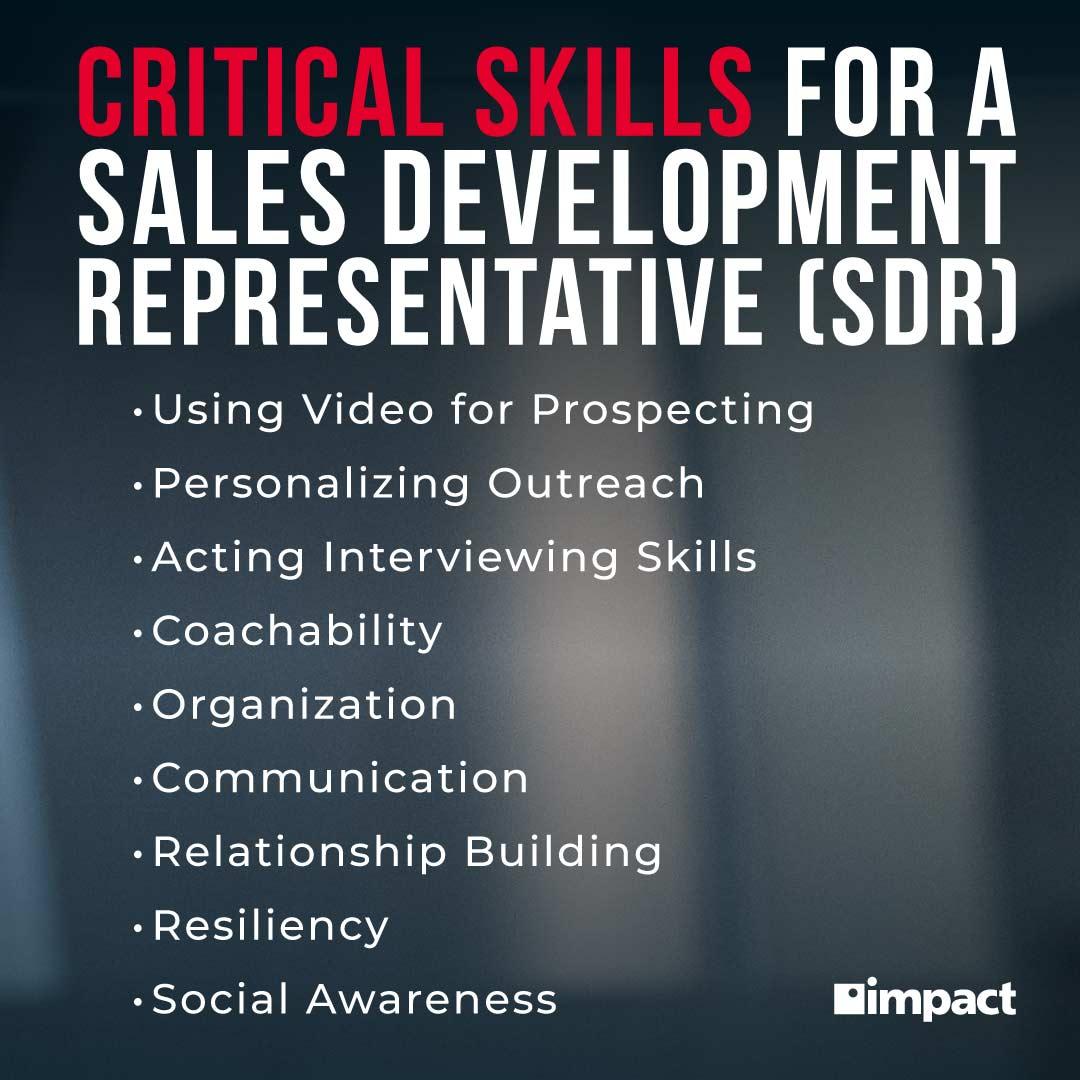
Essential Skills for Sales Development Representatives in Education Technology
Success in SDR jobs for education technology relies on a strong mix of sales acumen, communication prowess, and industry awareness. Here are the key skills you should develop and highlight:
1. Communication & Listening Skills
- Ability to explain complex edtech products clearly to non-technical education professionals.
- Active listening to uncover educators’ unique challenges and needs.
2. Relationship Building
- Establish rapport and trust quickly with education leaders.
- Maintain ongoing conversations to foster long-term partnerships with schools and universities.
3. Prospecting & Research Abilities
- Effectively identify target institutions and decision makers using online research tools and databases.
- Tailor outreach strategies to the specific priorities of different educational organizations.
4.Technical Aptitude
- Understand the features and benefits of educational technology platforms.
- Confidently navigate demos and answer technical product questions.
5. Problem-Solving Skills
- analyze educators’ pain points and match edtech solutions appropriately.
- Overcome objections creatively during the sales process.
6. Association & Time Management
- Handle multiple prospect conversations, follow-ups, and reporting.
- Use CRM tools to stay organized and maintain accurate records.
7. Adaptability & Growth Mindset
- Stay updated on trends in education and edtech innovations.
- Quickly adapt to feedback and changes in sales strategies.
Enhancing these skills can make you a standout candidate for Sales Development Representative positions in the competitive education technology sector.
Career Pathways: Opportunities for SDRs in Edtech at Universities, Colleges, and Schools
Starting as a Sales Development Representative in the education sector can pave the way for an exciting career trajectory. Here’s how your career may progress:
- Account Executive: Transition into a sales closer role, taking full ownership of the sales cycle and contract negotiation with educational institutions.
- Sales Manager: Lead teams of SDRs, manage strategy and training, and oversee regional or national sales operations.
- Edtech Product Specialist: Use your technical expertise to showcase products and manage complex solution-based sales.
- Customer Success Manager: Work with schools and colleges post-sales to maximize product adoption and satisfaction.
- Business Development: Focus on strategic partnerships, expansion into new educational markets, or global opportunities.
Many SDRs also branch into marketing, operations, or edtech consulting roles, especially if they demonstrate deep understanding of education challenges and solutions. This versatility makes SDR roles highly attractive for career-minded, aspiring professionals.
Benefits of Working as a Sales Development representative in Educational Technology
Pursuing an SDR career in education technology offers unique rewards:
- Impactful Work: Play a direct role in transforming how students and educators use technology for teaching and learning.
- Continuous Learning: Stay on the cutting edge of edtech innovation and pedagogical trends.
- Networking: Build relationships with influential education leaders and edtech communities.
- Professional Growth: Develop in-demand sales, communication, and tech skills applicable across industries.
- Competitive Pay & Performance Bonuses: Many edtech companies offer attractive compensation packages linked to sales results and team collaboration.
- Hybrid/Remote Work Options: Many education technology sales teams operate flexibly, allowing for better work-life balance.
Practical Tips for Landing SDR Jobs in Education
Ready to pursue an SDR role in a university, college, or school-focused edtech company? Here are steps to strengthen your submission and interview performance:
1. Tailor Your Resume & Cover Letter
- Highlight related sales or customer-facing experience—even if it’s not directly in education or technology.
- Showcase achievements such as lead generation, building client relationships, or tech product presentations.
- Mention interest and readiness to work with education clients.
2. Expand Your Edtech Knowledge
- Learn about top education technology products,market trends,and challenges faced by academic institutions.
- Stay updated on relevant industry news and innovations.
3. network Within the Education Community
- Participate in online forums, attend (virtual) edtech events, and engage with professionals on LinkedIn.
- Connect with current SDRs or sales managers in edtech for insight and advice.
4. Prepare for Roleplay & Scenario-Based Interviews
- Practice your sales pitch for a popular edtech product.
- Demonstrate your approach to handling objections and qualifying educational leads.
5. Showcase Adaptability & Learning Mindset
- Share examples of quickly mastering new information or tech tools.
- discuss how you keep up with the constantly changing edtech landscape.
6. Leverage Transferable Skills
- If you have teaching, tutoring, or academic administration experience, highlight how those skills translate to understanding education customers.
How to Advance Your SDR Career in Education Technology
Once you’ve landed your first role, invest in your professional development for long-term success. Here’s how:
- Seek Regular Feedback: Proactively ask for performance reviews to identify strengths and improvement areas.
- Take Training Opportunities: Participate in product workshops, sales bootcamps, and education technology webinars.
- Build a Personal Brand: Share insights on edtech trends via social media or user groups,establishing yourself as an industry thought leader.
- Mentor Others: Guide new SDR hires to enhance your leadership skills and expand your influence.
Conclusion: Your Path to a Rewarding SDR Career in Education Technology
Landing a Sales Development Representative position in the education sector is an excellent way to combine your interest in technology with your passion for helping institutions enable better learning experiences. By developing key skills such as communication, research, and adaptability, you’ll thrive in the rapidly evolving edtech landscape that universities, colleges, and schools navigate daily. Whether you’re just entering the workforce or are seeking a change from academia to technology, SDR roles offer personal growth, competitive pay, and the chance to make a real difference in education. Take action today—leverage the practical tips in this guide, highlight your strengths, and embark on a fulfilling career in educational technology sales.