
Securing Academic Records with Blockchain Technology: The Future of Data Integrity
Academic data security is critical for schools, universities, and any educational institution maintaining student records. As digital transformation accelerates in education, the challenge of ensuring unalterable, transparent, and reliable academic records intensifies. Blockchain technology emerges as a powerful solution that can redefine the way educational organizations handle student data integrity and safeguard credentials for the future.
Introduction: The importance of Securing Academic Records
Academic records include personal details,grades,transcripts,certificates,and more. Traditionally, these records have been stored in centralized databases, often vulnerable to unauthorized access, data breaches, or manipulation. Ensuring data integrity and privacy is imperative—not only for compliance but also for the trust and reputation of the institution and its students. The digital era has exposed the limitations of conventional record-keeping systems, prompting a growing interest in more resilient, tamper-proof solutions like blockchain technology.
What is Blockchain Technology?
At its core, blockchain is a distributed ledger consisting of chronologically arranged blocks of data. Each block is encrypted and linked to the previous one, making alterations virtually impractical without consensus across the network.unlike traditional databases, blockchains are:
- Decentralized – No single entity controls the data, reducing chances of targeted attacks.
- Immutable – Once data is recorded, it cannot be changed or erased.
- Transparent – Authorized users can verify the authenticity of data in real time.
- Secure – Cryptographic mechanisms protect data from unauthorized access.
This unique combination of features is what makes blockchain a prime candidate for securing academic records and enhancing data integrity.
Why Blockchain is Revolutionizing Academic record Security
The transition from paper-based records to digital ledgers brings benefits and challenges.Blockchain addresses many shortcomings of legacy systems:
- Combatting Fraud: Academic fraud, such as forging diplomas or transcripts, remains a global issue. blockchain can help create verifiable, tamper-resistant credentials.
- Permanent Record Keeping: Student achievements and certifications can be stored permanently, allowing lifelong access for employers and institutions.
- Streamlined Verification: Automated verification processes save time and resources for administrators and reduce bottlenecks during admissions or employment.
- Enhanced Privacy: Only authorized individuals can access sensitive data, aligning with global privacy standards and regulations like GDPR.
Benefits of Blockchain Technology for Academic Data Integrity
Utilizing blockchain provides various advantages for educational institutions seeking to preserve the integrity and security of student records:
- Data Authenticity: Each record is cryptographically signed and validated, eliminating the potential for unauthorized changes.
- Inter-Institutional Collaboration: Records can be shared securely between schools,universities,and employers worldwide,fostering seamless mobility.
- Efficiency & Automation: Smart contracts automate processes like credential verification, admissions, and certificate issuance.
- Cost Reduction: Decreased need for manual processing, physical storage, and human error correction cuts operational costs.
- Disaster Recovery: Decentralized storage mitigates risks of loss due to hardware failures or natural disasters.
Case Studies: Blockchain in Academic Record Management
MIT: Digital Diplomas Initiative
In 2017, the Massachusetts Institute of Technology (MIT) launched digital diplomas on the blockchain, allowing graduates to receive a tamper-proof, instantly verifiable version of their credentials. This initiative highlighted improved trust, simplified verification for employers, and increased convenience for alumni.
University of Nicosia: Blockchain-Based Certificates
the University of Nicosia in Cyprus became the world’s first to issue academic certificates via blockchain. Accessible through secure links, their certificates are immune to fraudulent alterations and provide a global standard for academic document verification.
India’s Maharashtra State Board of Skill progress
The Maharashtra State Board digitized over 1 million diplomas with blockchain, greatly reducing forgery and bringing transparency to the skill certification process, fostering employer trust and student confidence.
How Blockchain Secures Student Records: Step-by-Step
- Enrollment and Data Entry: Each academic event (enrollment, coursework, grades) is recorded and encrypted as a block.
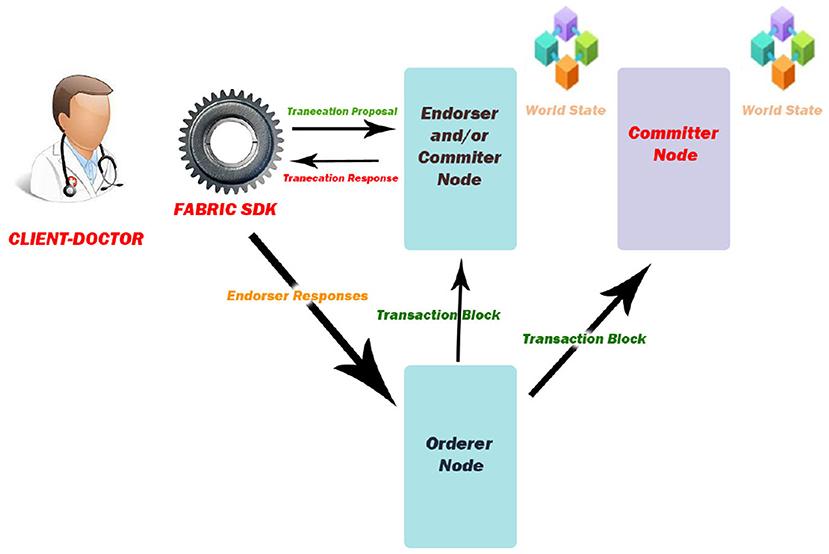
- Validation and Consensus: Multiple nodes (servers) confirm the accuracy and legitimacy of each entry.
- Storage and Accessibility: Authorized parties access or verify records via secure cryptographic keys.
- Audit Trails: Transaction logs provide an unalterable history of every action taken on a record.
Practical Tips for Institutions Considering Blockchain adoption
- Start with a Pilot Program: Test blockchain solutions with a manageable set of records (e.g., certificates for a graduating class).
- Select the Right Blockchain Platform: Research private versus public blockchains and choose one that balances transparency with privacy.
- Develop Smart Contracts: Automate routine tasks like transcript requests, credential verification, or certificate issuance.
- Invest in Staff Training: Educate staff on blockchain principles and workflows to ensure smooth implementation.
- Collaborative Partnerships: Work with technology providers and industry consortia to share best practices.
- Compliance First: Align blockchain deployments with data protection laws/school policies.
Challenges and Considerations
While the benefits are compelling, institutions must address the following:
- Integration with Legacy Systems: Migrating existing data securely to blockchain requires careful planning.
- Scalability: large universities may need blockchains capable of processing thousands of records daily.
- Privacy vs. Transparency: Balancing public verification and individual privacy is key, notably in student-centric scenarios.
- Technical Expertise: Blockchain adoption demands specialized IT skills that may require new hires or partnerships.
- Cost of Implementation: Initial setup costs can be high, but long-term savings and added security justify the investment.
First-Hand Experience: Voices from Early Adopters
Institutions pioneering blockchain for academic record management report:
- Reduced Credential Fraud: Administrative teams experience fewer incidents of forged documents.
- Positive student feedback: Students benefit from portable, verifiable credentials usable worldwide.
- Efficient Admission Processes: Partner universities and employers quickly verify records, reducing paperwork and turnaround time.
- Increased Confidence: Stakeholders trust data accuracy and system reliability, strengthening institutional reputation.
Conclusion: The Future of Academic Data integrity
The digitization of academic records is not just inevitable—it’s necessary in an increasingly globalized and online educational landscape. blockchain technology offers unparalleled security, transparency, and data integrity, helping institutions overcome long-standing challenges in record keeping, credential verification, and trust. as more schools and universities embrace blockchain, we inch closer to a future where academic achievements are universally accessible, instantly verifiable, and forever safe from fraud or manipulation.
By prioritizing blockchain adoption and keeping up with best practices, educational organizations can transform how academic records are managed—ensuring the protection, authenticity, and privacy of student achievements for generations to come.
Ready to secure your academic records with blockchain technology? Start your journey today and be part of the future of educational data integrity.