
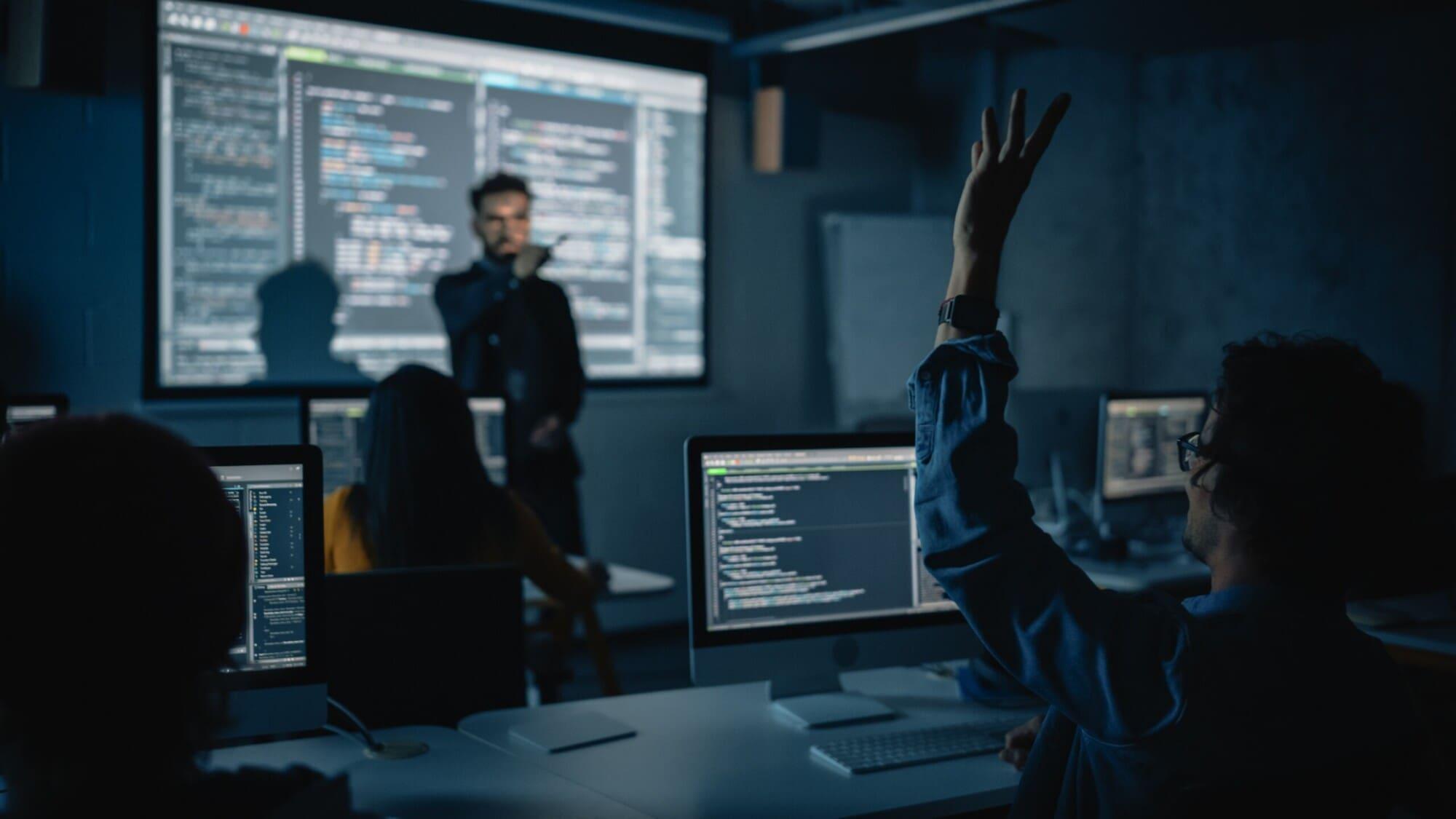
Securing the Classroom: Top Strategies for Cybersecurity in Educational Institutions
With the rapid digital change of education, classrooms have evolved into interconnected hubs of technology. Laptops,tablets,smartboards,and cloud-based apps have revolutionized the learning experience. However, these advancements also expose schools, colleges, and universities to potential cyber threats. Cybersecurity in educational institutions is no longer optional; it’s a critical component to protect sensitive data, ensure uninterrupted learning, and maintain trust among students, parents, and staff.
Why is Cybersecurity Crucial in Education?
Educational institutions store a vast array of sensitive information—student records,personal data,academic research,and financial details. As learning management systems and online platforms become central, cybersecurity for schools is under siege from hackers, phishing scams, ransomware, and data breaches. According to recent studies, the education sector remains a top target for cybercriminals, with thousands of security incidents reported annually.
- Personal Data Privacy: Protecting student and teacher records from unauthorized access is non-negotiable.
- Digital Learning Continuity: Cyberattacks can disrupt classes, exams, and administrative operations.
- Legal Compliance: Laws like FERPA and GDPR impose strict responsibilities on data protection in education.
Top Strategies for cybersecurity in Educational Institutions
Securing the classroom goes beyond installing a firewall or anti-virus.It requires a multidimensional approach involving technology, policy, education, and vigilance. Here are the most effective cybersecurity strategies for schools and universities:
1. Implement Multi-Factor Authentication (MFA)
Requiring more than just a password for system access is one of the simplest and most effective ways to block unauthorized entry. Multi-factor authentication layers security by demanding a second (or even third) form of verification, such as a mobile code or fingerprint.
- deploy MFA for all staff, faculty, and student accounts.
- Prioritize high-risk systems like email, learning management systems, and grade portals.
2. Regularly Update and Patch Systems
Outdated software is a primary entry point for cybercriminals. Make it a practice to apply security updates and software patches as soon as they are released.
- Automate updates where possible to avoid human error.
- Review and retire unnecessary or unsupported applications.
3.Cybersecurity Awareness Training for Staff and Students
Human error is the weak link in the cybersecurity chain. Embedding a culture of security through regular training helps everyone recognize phishing attempts, safeguard passwords, and report suspicious activity.
- Launch annual online safety courses for staff and students.
- Share weekly cybersecurity tips through emails or digital boards.
- Conduct simulated phishing campaigns and reward vigilance.
4. Robust Network Segmentation
Segregating your network limits the spread of malware and unauthorized access. Student wi-Fi should be isolated from administrative networks, and guest access tightly controlled.
- Use VLANs to create separate zones for staff, students, and guests.
- Restrict access to sensitive data by applying the principle of least privilege.
5. Secure Remote Learning Platforms
With the rise of online classes, virtual classrooms must be safeguarded. deploy secure, trusted platforms with end-to-end encryption and restrict session sharing.
- Enable waiting rooms and password-protected meeting IDs.
- Limit screen sharing and file transfers to approved users only.
6. Backup Data Regularly
Ransomware and accidental deletion can cripple an institution.Regular, automated backups (both local and cloud-based) ensure swift recovery and data integrity.
- Test restoration processes quarterly to verify backups work.
- Store backups in secure, off-site locations whenever possible.
7. Device Management and Protection
with the proliferation of school-issued and personal devices,endpoint protection is essential. Utilize mobile device management (MDM) solutions to enforce security policies, control app installations, and enable remote wiping if devices are lost.
- Install reliable antivirus and anti-malware solutions on every device.
- Encourage regular device checkups and password security updates.
benefits of Prioritizing Cybersecurity in Schools
Investing in classroom cybersecurity strategies yields significant benefits for educational institutions:
- Enhanced Reputation: A secure school is a trusted school.Parents and prospective students feel confident in the institution’s ability to safeguard their information.
- Educational Continuity: Minimizing the risk of a cyberattack ensures classes, exams, and research projects proceed without interruption.
- Regulatory Compliance: Proactively managing cybersecurity helps avoid costly fines and penalties due to data protection failures.
- Financial Savings: Preventing breaches reduces the risk of expensive data recovery, ransom payments, and legal costs.
Case Study: A Lesson in Vigilance – Riverside High School
A suburban high school faced a disruptive ransomware attack that encrypted their grading database right before finals week. Thanks to their recent investment in cloud backups and a robust cybersecurity training program, staff quickly identified the threat and restored the affected systems. No data was lost,and classes resumed within a day. This real-world incident underscores the importance of layered cybersecurity measures in schools.
Practical Tips for School Administrators
- Conduct regular Security Audits: Schedule annual penetration tests and vulnerability assessments to identify weaknesses.
- Develop an Incident Response Plan: Ensure your team knows exactly what to do in the event of a cyberattack.
- Keep dialog Clear: Inform parents, staff, and students about policies and what’s expected from them regarding digital security.
- Establish strong Password Policies: Mandate complex passwords and regular changes for all accounts.
- Monitor User Activity: Use analytics tools to detect suspicious behavior and unauthorized data access.
Firsthand Experience: Educator Perspective
“I used to think of cybersecurity as an IT issue, but after leading my school’s online learning transition, I quickly realized that everyone—teachers, students, even parents—plays a vital role. We created a ‘cybersecurity champions’ group among faculty to share tips and model best practices. Now, our school feels safer, more aware, and better equipped to handle threats as they come.” – Sarah Jones, high School Teacher
Conclusion: Building a Culture of digital Safety
Securing the classroom in the digital era means safeguarding our future thinkers, innovators, and leaders from threats both seen and unseen. By embracing a holistic approach to cybersecurity in educational institutions—combining robust technology with human awareness—we can create safe, innovative, and resilient learning environments. Institutions that invest in cybersecurity today are not only protecting data, but also securing the promise of education for generations to come.