
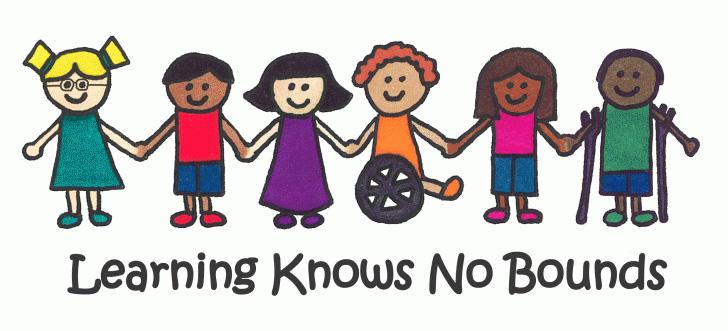
SEL for Students with Special Needs: Effective strategies and Benefits for Inclusive Education
Inclusive education is more than just physical integration; it’s about creating environments where every learner—regardless of ability—feels valued, understood, and empowered. Central to this vision is Social and Emotional Learning (SEL), a research-backed framework that equips students with crucial skills to manage emotions, build relationships, and make responsible decisions. SEL for students with special needs is particularly transformative, fostering not only academic growth but also personal well-being and social belonging.In this guide,we’ll explore effective strategies,proven benefits,and actionable insights for implementing SEL within inclusive classrooms.
what is Social and Emotional Learning (SEL)?
Social and Emotional Learning refers to the process through which students acquire and apply the skills necessary to understand and manage emotions, establish positive relationships, set goals, show empathy, and make responsible decisions.The Collaborative for Academic, Social, and Emotional Learning (CASEL) defines five key SEL competencies:
- Self-awareness
- Self-management
- social awareness
- Relationship skills
- Responsible decision-making
For students with special needs—such as those with autism spectrum disorder (ASD), ADHD, learning disabilities, or emotional and behavioral challenges—developing these competencies can be both challenging and critical to their overall success and sense of inclusion.
Why SEL Matters for Students with Special Needs
Students with special needs often face additional hurdles in social dialog, emotional regulation, and peer interactions. When SEL is intentionally designed and implemented for diverse learners,its impact is amplified.Here’s why:
- Improved Emotional Regulation: SEL provides tools and routines that help students manage frustration, anxiety, or overstimulation.
- Enhanced Communication Skills: Structured SEL approaches nurture expressive and receptive language, making it easier to interact and advocate for oneself.
- Social integration: SEL fosters empathy and understanding, paving the way for more meaningful inclusion among peer groups.
- Academic Gains: Students who feel safe and supported emotionally are more engaged,confident,and prosperous academically.
benefits of SEL in inclusive Education
Effective SEL strategies for students with special needs contribute to a more holistic and supportive classroom surroundings. Both research and classroom experience highlight the following benefits:
- Increased Self-esteem: As students learn to recognize and celebrate their strengths, their confidence grows.
- Reduced Behaviour Issues: Proactive SEL reduces disruptive behavior by teaching self-regulation skills.
- Better Relationships: Students develop the ability to express needs, listen, and resolve conflicts more effectively.
- Stronger Sense of Belonging: Inclusive SEL makes every child feel accepted, respected, and valued.
Effective SEL Strategies for students with Special Needs
Integrating SEL in special education requires flexibility, creativity, and a willingness to individualize approaches. Here are some top SEL strategies for inclusive classrooms:
1. Explicit SEL Instruction
- Dedicate specific time for direct teaching of SEL skills, using simple language and clear visuals.
- Break down abstract concepts (like empathy or self-control) into concrete actions and role-play scenarios.
- Utilize social stories and comic strip conversations to model appropriate responses to common situations.
2. Visual Supports and Cues
- Use visual schedules, feelings charts, and emotion cards to reinforce routines and help students identify and label emotions.
- Provide visual reminders for behavioral expectations and positive self-talk.
3. Structured Social Skills Groups
- facilitate small-group activities focused on practicing sharing, turn-taking, and cooperative play.
- Encourage peer buddies or mentors to support guided interactions while maintaining a safe learning space.
4. Sensory-Amiable SEL Activities
- Integrate calming strategies, such as deep breathing, sensory breaks, or mindfulness exercises that promote self-regulation and resilience.
- when possible, give students choices in how they participate to reduce anxiety and foster independence.
5. Collaborative Goal-Setting
- Involve students in setting personal SEL goals, celebrating small victories, and reflecting on progress.
- Collaborate with families and therapists to reinforce SEL skills across settings.
6. Culturally Relevant and Trauma-Informed Practices
- Acknowledge diverse backgrounds and experiences to ensure SEL strategies are respectful and effective.
- Be attentive to signs of trauma or stress and integrate support accordingly.
Practical Tips for Teachers: Making SEL Accessible
Adapting SEL for an inclusive classroom doesn’t have to be overwhelming. Follow these practical tips to effectively reach students with special needs:
- Be patient and flexible: progress in SEL is frequently enough non-linear. Celebrate effort and growth, no matter how small.
- Use consistent routines and language: Predictability provides a sense of safety for many learners.
- Offer multiple means of expression: Allow students to communicate feelings in various ways—pictures, gestures, AAC devices, etc.
- Integrate SEL into academics: Incorporate social themes and emotional check-ins into reading, math, and other subjects.
- Collaborate: Work closely with special education teachers, counselors, families, and support staff for extensive strategies.
- Data-informed decisions: Regularly monitor student progress and adjust interventions to maximize impact.
Real-World Case Study: SEL Success in an Inclusive Elementary Classroom
Consider the experience of Ms. Garcia, a fourth-grade teacher at an urban public school with a fully-inclusive model.By introducing daily SEL “morning meetings,” using emotion cards, and implementing sensory breaks, she observed:
- Decreased incidents of classroom disruptions among students with ADHD and ASD
- increased peer interactions and collaborative work
- Higher rates of on-task behavior during lessons
- Stronger relationships and compassion among students, regardless of ability level
By embedding tailored SEL strategies into her daily routine, Ms. Garcia created a thriving, supportive environment benefiting every student.
First-Hand Outlook: Parent Insights on SEL for Special Needs
Maria, a mother of a child with learning differences, shares: “When SEL was made a part of my son’s IEP, we saw him become more confident in asking for help and expressing his feelings. The collaborative approach between school and home made all the difference—he not only succeeded academically but also felt more included with his classmates.”
How to Get Started: SEL Resources for Inclusive Success
Ready to bring SEL into your inclusive classroom? Here are some recommended resources and tools:
- CASEL (Collaborative for Academic, Social, and Emotional Learning)
- Edutopia – Social and Emotional learning
- Understood.org (Special Needs and SEL Resources)
- SEL curriculum kits such as Second Step and Zones of Regulation
Conclusion: Building Inclusive Communities Through SEL
Investing in SEL for students with special needs isn’t just beneficial—it’s essential for equitable, inclusive education. Tailoring SEL practices to meet every student where they are fosters a compassionate classroom culture, boosts academic outcomes, and nurtures lifelong skills for personal and community success. Whether you’re a teacher, administrator, or parent, embracing effective SEL strategies for inclusive education paves the way for all learners to thrive, belong, and contribute.
Ready to learn more or start implementing SEL strategies for your students with special needs? Reach out for customized support and join the growing movement toward truly inclusive education!