
SEL for Students with Special Needs: Effective strategies and Proven Benefits
Social and Emotional Learning (SEL) is transforming the way educators support all students, especially those with special needs. As SEL becomes increasingly recognized as a cornerstone for holistic education, it’s crucial to understand how it can be tailored for learners with unique abilities and challenges. In this extensive guide, we’ll explore what SEL is, why it matters for students with special needs, and the most effective SEL strategies for inclusive classrooms.
What is SEL and Why is it Important for Students with Special Needs?
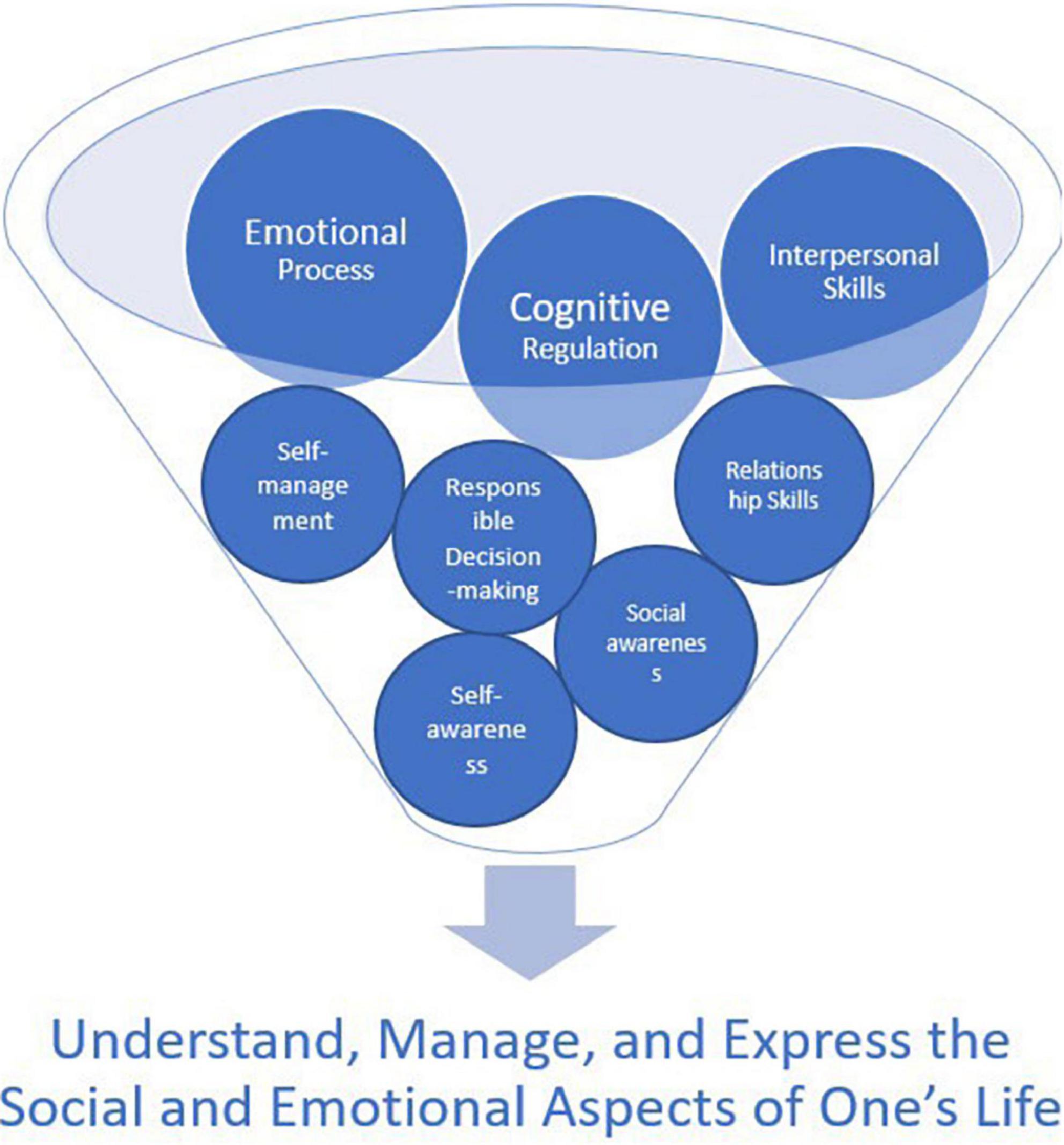
Social and Emotional Learning (SEL) refers to the process by which children and adults acquire and apply the knowledge,skills,and attitudes necessary to develop healthy identities,manage emotions,achieve personal and collective goals,show empathy,establish supportive relationships,and make responsible decisions. For students with special needs, SEL isn’t just beneficial—it’s essential.
- addresses Social Gaps: Many students with disabilities may face challenges interpreting social cues, regulating emotions, or building meaningful peer connections.
- Fosters Inclusion: SEL provides structured frameworks that can foster inclusion by helping all students communicate and collaborate more effectively.
- Builds Self-advocacy: It empowers students with special needs to express their thoughts, preferences, and needs.
- Supports Behavioral Growth: SEL curricula can help reduce behavioral outbursts and improve classroom management.
Proven Benefits of SEL for Students with Special Needs
Growing research and hands-on experiences prove that SEL provides numerous benefits for students with diverse learning needs. Here’s how SEL makes a measurable difference:
- Improved Academic Performance: SEL programs enhance concentration, reduce anxiety, and create more engaging learning environments for students with special needs. Studies show higher attendance and improved test scores.
- Better Emotional Regulation: Through SEL, students learn to recognize, name, and manage their emotions, leading to fewer meltdowns and increased emotional resilience.
- Greater Peer Relationships: By teaching social skills explicitly, SEL fosters stronger friendships and reduces feelings of isolation often experienced by students with disabilities.
- Enhanced Communication: SEL strategies like role-playing and storytelling make it easier for students, especially those with speech or language challenges, to practice and improve their communication skills.
- decreased Behavioral Challenges: SEL supports positive behavior reinforcement, reducing disruptive or harmful behaviors in inclusive classrooms.
- boosted Self-Esteem and Confidence: SEL encourages self-awareness and a positive self-image, which are crucial for the well-being of students with special needs.
Effective SEL Strategies for Students with Special Needs
Delivering high-quality SEL to students with special needs requires intentional planning, thoughtful modifications, and a commitment to equity in the classroom. Consider these expert-backed strategies for prosperous SEL implementation:
1. Individualized SEL Plans Aligned with IEPs
- Work collaboratively with special education teachers, therapists, and families to align SEL goals with each student’s Individualized Education Program (IEP).
- Set realistic, measurable objectives (e.g., “will identify emotions in self and others 80% of the time”).
2. Visual Supports and Social Stories
- Use visual aids such as feelings charts,emoji cards,and SEL posters to help students interpret and express emotions.
- Social stories can teach specific social skills or scenarios (like turn-taking, greeting peers, or asking for help) in a structured, repeatable format.
3. Explicit and Consistent Teaching
- Break social and emotional skills into small, teachable segments.
- Practice skills frequently with predictable routines—for example, starting every day with a “feelings check-in”.
4. Role Play and Modeling
- Demonstrate appropriate social behaviors through modeling.
- Engage students in role-plays where they can safely practice these skills in context.
5. Sensory Breaks and Mindfulness Activities
- Incorporate calming strategies such as deep breathing, sensory bins, or quiet corners for overstimulated students.
- Introduce short mindfulness sessions to teach self-regulation and focus.
6.Use of Assistive Technology
- Leverage communication devices, speech-generating apps, or social-emotional learning applications tailored for special needs.
7. Collaborative Team Approach
- Work with occupational therapists, counselors, families, and peers to reinforce SEL skills both inside and outside the classroom.
Practical Tips for Teachers and Parents
- Be Patient and Flexible: Progress may be gradual. Celebrate small milestones and adapt strategies as needed.
- Encourage Peer Support: Pair students with “SEL buddies” who can model appropriate behaviors in social situations.
- Promote Consistency: Ensure SEL practices are used both at school and at home for the best results.
- Provide Positive Feedback: Use praise to reinforce pro-social behaviors and emotional growth.
- Keep Families Involved: Share resources and strategies with parents to empower them in supporting SEL at home.
Case Studies: SEL in Action for Special Needs Students
Case Study 1: building Emotional Vocabulary in a Self-Contained Classroom
In a self-contained classroom for students with Autism Spectrum Disorder, teachers introduced daily “mood meters” and visual emotional cues. Over several months, students who previously struggled with communicating feelings began independently pointing to the correct emotion cards for “happy,” “sad,” “anxious,” or “frustrated.” Teachers reported fewer behavioral incidents and improved classroom climate.
Case Study 2: Social Stories Drive Friendship Skills
At a mainstream elementary school, educators incorporated personalized social stories for students with Down syndrome and ADHD. By practicing the stories in small groups and real-life scenarios, students showed increased participation in classroom discussions and were more frequently invited by peers to join games at recess.
Frist-Hand Experience: an Educator’s Perspective
“As a special education teacher,I’ve seen the greatest breakthroughs when SEL is woven into our daily routines. Using visual check-ins and praise, even my most reserved students have found their voices. one student, who rarely participated before, now leads our morning greetings. SEL is not just an add-on, it’s foundational.”
—Maria L., Special Education Teacher
Frequently Asked Questions (FAQs) about SEL for Students with Special Needs
- Can SEL be adapted for students with varying disabilities?
- Absolutely. SEL can be customized to meet the diverse cognitive, communicative, and emotional needs of students with disabilities, from autism to learning disorders and ADHD.
- what SEL programs are best suited for special education classrooms?
- Programs such as Second Step, Zones of Regulation, and PATHS offer adaptable SEL resources for learners with special needs.
- How can I measure SEL progress in special education?
- work with your IEP team to specify measurable SEL goals and track progress using checklists, observation notes, and feedback from students and families.
Conclusion: The Power of Inclusive SEL
SEL for students with special needs is more than a classroom trend—it’s a proven catalyst for growth, inclusion, and lifelong success. By embracing tailored strategies, involving families, and celebrating incremental progress, educators and caregivers can help every child reach their full social, emotional, and academic potential. The journey demands patience and persistence, but the benefits are transformative, empowering students with special needs to thrive in school and beyond.
If you’re looking to implement an effective SEL program for your students with special needs, remember: SEL is not one-size-fits-all. It’s the compassionate, consistent, and collaborative efforts that build the strongest, happiest learners.