
SEL for Students with Special Needs: Effective Strategies for Inclusive Social-Emotional Learning
Social-Emotional Learning (SEL) has become an essential part of today’s educational landscape, fostering emotional intelligence, relationship skills, and overall well-being. For students with special needs, SEL is especially vital, offering invaluable tools to help them thrive both academically and personally. In this extensive guide, we’ll explore the importance of SEL for students with special needs, effective strategies for inclusive classrooms, and practical ways to make SEL accessible and meaningful to every learner.
Understanding the Importance of SEL for Students with Special needs
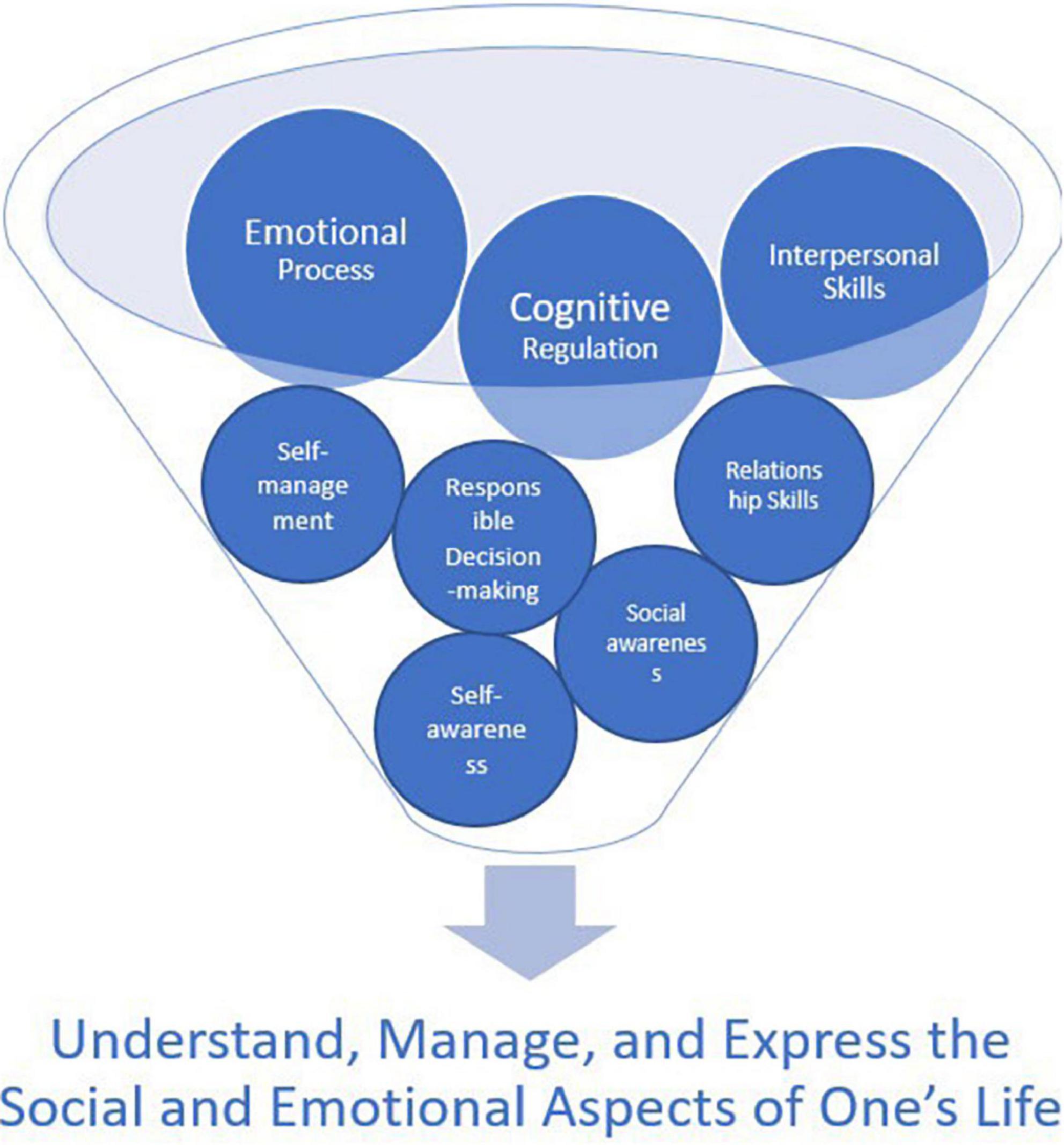
students with special needs—including those with autism, ADHD, learning disabilities, emotional and behavioral disorders, and physical or sensory impairments—often face unique challenges in social interactions and emotional regulation. SEL provides structured opportunities for these students to develop essential life skills, such as:
- Self-awareness: Recognizing emotions, strengths, and challenges.
- Self-management: Regulating emotions, managing stress, setting goals.
- Social awareness: Understanding others’ perspectives and showing empathy.
- Relationship skills: communicating, cooperating, resolving conflicts.
- Responsible decision-making: Making choices that respect self and others.
By implementing SEL for students with special needs, educators can help bridge gaps in learning, create a positive school climate, and support the academic and emotional growth of every child.
Benefits of Inclusive Social-Emotional Learning
SEL delivers a broad range of benefits, particularly for students with special needs. These include:
- Enhanced Emotional Regulation: SEL enables students to identify and manage thier feelings, reducing anxiety and behavioral challenges.
- Improved Social Skills: Structured SEL activities promote positive interactions, helping students develop friendships and work collaboratively.
- Increased Resilience: SEL equips students with coping strategies, fostering resilience in the face of adversity or academic struggles.
- Better Academic Outcomes: Research links SEL to greater engagement, higher grades, and reduced dropout rates.
- Strong Sense of Belonging: Inclusive SEL helps all students feel valued, boosting self-esteem and classroom participation.
Effective Strategies for Implementing SEL for Students with Special Needs
For SEL to be meaningful and effective for students with disabilities, educators and caregivers must employ targeted strategies.Here are key approaches for building an inclusive social-emotional learning program:
1. Differentiate SEL instruction
- Adapt Activities: Simplify instructions, break down tasks into manageable steps, and provide visual supports or social stories as needed.
- Offer Choices: Allow students to select how they engage with SEL content, whether through drawing, speaking, using assistive technology, or role-playing.
2. Focus on Explicit Social Skills Teaching
- Model Behaviors: Demonstrate appropriate social behaviors through role-playing and guided practice.
- Practice and Reinforcement: Offer frequent, structured opportunities to practice skills in real-life contexts.
3. Utilize Visual Supports and Technology
- Integrate social stories, visual schedules, and emotion charts to help students understand concepts and expectations.
- Leverage assistive technology (like communication boards or SEL apps) to support diverse communication needs.
4. Create predictable and Supportive Environments
- Establish consistent routines and clear expectations to reduce anxiety and foster emotional security.
- Incorporate calming spaces or sensory breaks for students who may become overwhelmed.
5.encourage Collaboration and Peer Support
- Pair students with a peer buddy for social activities, fostering inclusion and natural friendship-building.
- Promote group work and cooperative learning to teach conflict resolution and teamwork.
6. Involve Families and Specialists
- Maintain regular communication with families to reinforce SEL goals at home.
- Consult with special education professionals, speech-language therapists, and counselors to tailor SEL interventions.
Practical tips for Inclusive SEL Implementation
Accomplished SEL for students with special needs requires flexibility,patience,and creative problem-solving. Here are some practical tips to make your classroom more inclusive:
- Use Multi-Sensory Resources: Incorporate music,movement,art,and tactile activities into SEL lessons to engage multiple learning styles.
- Celebrate Small successes: Recognize and reward incremental progress, building students’ confidence and motivation.
- Integrate SEL Across the Curriculum: Embed social and emotional learning into literacy, math, and other subjects through stories, discussions, and group projects.
- Provide Clear Feedback: Use specific, positive feedback to reinforce desired behavior and skill advancement.
- Respect Individual Differences: Recognize sensory preferences, communication needs, and cultural backgrounds in your SEL approach.
Case Study: SEL Success in an Inclusive Classroom
Consider the example of Ms. Rodriguez, a 4th-grade inclusive classroom teacher.She noticed that many of her students with special needs struggled with group work and emotional outbursts. To address this, Ms. Rodriguez implemented the following strategies:
- She introduced emotion cards for students to share how they were feeling each morning.
- She used social stories to teach strategies for managing frustration during math lessons.
- Peer buddies were assigned for group projects, fostering partnerships and empathy among students.
- Sensory breaks and a “quiet corner” were established for students becoming overwhelmed.
Over the school year,Ms. Rodriguez saw a notable improvement in both social skills and academic participation for students with IEPs, and higher levels of empathy among all classmates.
First-Hand Experience: Voices from the Classroom
“Integrating SEL in my special education class has been transformative. Students who once had difficulty expressing themselves are now using emotion words, asking for help, and supporting their peers.”
— Mr. Andrew Taylor, Special Education Teacher
“As a parent, I’ve seen my son with autism blossom through SEL programs. he’s more confident, and his ability to connect with classmates has grown tremendously.”
— michelle L., Parent
Resources for Inclusive SEL
- CASEL: Collaborative for Academic, Social, and Emotional Learning
- Understood.org – Resources for learning and thinking differences
- Autism Speaks – Social Skills Toolkits
Conclusion: Creating Truly Inclusive SEL Experiences
Effective SEL for students with special needs goes beyond traditional teaching; it requires empathy, creativity, and a commitment to inclusion.By differentiating instruction, leveraging visual and technological supports, collaborating with families, and fostering a kind and predictable environment, educators can empower every student to succeed emotionally and academically.
Inclusive social-emotional learning transforms not only individual students but also entire classrooms, cultivating a culture of understanding, respect, and growth. With the right strategies, all students—irrespective of ability—can flourish.