
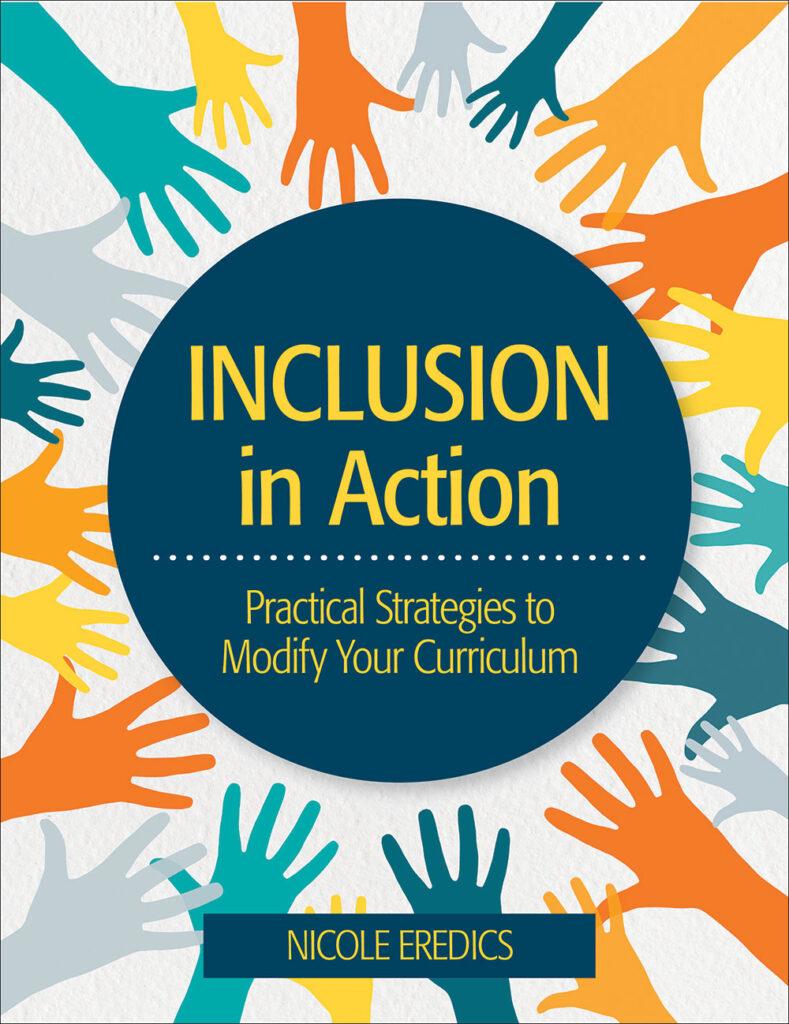
SEL for students with Special needs: Effective Strategies for Inclusive Support
Social and Emotional Learning (SEL) is essential for all learners, but for students with special needs, effective SEL can make a profound difference in school success and wellbeing. By fostering positive relationships, self-awareness, and emotional regulation, SEL helps create inclusive classrooms where every student thrives.In this article, we’ll explore practical SEL strategies for students with special needs, discuss their many benefits, and provide tips and real-world examples to help educators and parents support these extraordinary learners.
What Is SEL and Why Is It Crucial for Students with special Needs?
SEL — or Social and Emotional Learning — is the process through which children and adults acquire and effectively apply the knowledge,attitudes,and skills necessary to manage emotions,set positive goals,show empathy for others,establish healthy relationships,and make responsible decisions.
for students with special needs, the benefits of SEL are even more meaningful.These learners often face unique challenges with communication, self-regulation, and social skills. Inclusive SEL support can bridge these gaps and help students overcome barriers, empowering them with emotional resilience and confidence.
key Benefits of SEL for Students with Special Needs
- Improved Emotional Regulation: Students learn strategies to control impulses and respond appropriately to various situations.
- Enhanced Social skills: Inclusive SEL teaching enables meaningful peer interactions and friendships.
- Boosted Academic Performance: Emotionally supported students with special needs are more likely to succeed academically.
- Greater Self-Awareness & Confidence: Students gain a deeper understanding of their own strengths and challenges.
- Stronger Classroom Communities: SEL fosters a sense of acceptance and belonging for all students.
Effective SEL Strategies for Students with Special Needs
Effective SEL support must be individualized and flexible to address the assorted profiles of students with disabilities and learning differences. here are research-backed strategies educators can implement:
1. Explicit Social Skills Instruction
- Teach targeted social skills such as greetings, turn-taking, sharing, and conflict resolution using clear, simple language.
- Use role-playing and social stories to demonstrate appropriate social interactions.
- Incorporate visuals, scripts, and prompts for additional support.
2. Visual Supports and Schedules
- Visual timetables help reduce anxiety and clarify expectations.
- Use emotion charts and visual cues to support emotional expression and self-regulation.
- Color coding and pictorial aids can make SEL lessons more accessible.
3. Mindfulness & Relaxation Techniques
- Introduce mindfulness exercises adapted for diffrent abilities, such as breathing techniques or sensory activities.
- Daily relaxation breaks can decrease classroom stress and boost attention spans.
4. Collaborative Problem Solving
- use group discussions, peer mediation, and structured activities to build teamwork and negotiation skills.
- teach conflict resolution with step-by-step frameworks (e.g., “stop, think, talk it out”).
5. Emphasizing Strengths and Interests
- Leverage student interests (music, art, technology, etc.) to personalize SEL content.
- Celebrate small achievements through positive reinforcement and public acknowledgement.
6. Parent and Caregiver Involvement
- Provide SEL resources and home activities to encourage consistency between school and home.
- Foster open communication with families about student progress and challenges.
Practical Tips for Implementing Inclusive SEL
Every classroom is different, and so are the needs of each learner. Here are some practical, school-amiable tips for integrating inclusive SEL practices:
- Start Small: Focus on one or two SEL skills at a time, giving students repeated and varied opportunities for practice.
- Blend SEL with Academics: Embed SEL into reading, writing, and art lessons, and use literature that features characters overcoming social-emotional challenges.
- Use Multi-Sensory Approaches: Storytelling, music, tactile activities, and movement-based learning benefit students with diverse needs.
- Regularly Assess Progress: Use SEL check-ins, self-reflection sheets, and input from specialists to track growth.
- Build a Support Team: Collaborate with speech therapists, occupational therapists, psychologists, and special education teachers for holistic support.
Case Studies: SEL Success Stories in Inclusive Classrooms
let’s look at real-world examples where specially tailored SEL strategies made a difference for learners with special needs:
Case Study 1: Social Story Success with Autism Spectrum Disorder
Ms. Lee, a special education teacher, noticed that her students with autism struggled with playground interactions. She introduced custom social stories before recess, depicting characters greeting each other and taking turns on the swings. After two weeks, students began to initiate greetings and wait their turn. Ms. Lee credits consistent social story use as a key factor in this positive change.
Case Study 2: Mindfulness for Students with ADHD
At Green Valley Elementary, educators introduced mindfulness breaks in the resource classroom. Using short, guided breathing activities and stretching exercises, students with ADHD reported feeling calmer and teachers observed improved attention during group activities.
Case Study 3: Family Engagement Boosts Emotional Resilience
When Mr. Ramirez, a school counselor, developed take-home SEL kits for students with Down syndrome, parents reported a positive impact. Simple activities such as “emotion charades” helped families start emotional conversations, leading to better emotional expression both at home and in class.
First-Hand Perspectives: Voices from the Classroom
“Introducing daily SEL routines transformed my classroom. My students with special needs became more open in expressing their feelings, and peer relationships improved dramatically. The key is patience and celebrating every small victory.” – Jessica K., Special Education Teacher
“As a parent, seeing my child with learning disabilities connect socially and feel valued has been life-changing. SEL gave him tools for both school and everyday life.” – Maria P., Parent
Overcoming Challenges: Tips for Success
Implementing SEL for students with special needs comes with challenges — including varied communication abilities, behavioral concerns, and the need for differentiated instruction. Here’s how to address common obstacles:
- Be Patient and Flexible: Progress may be gradual. Adapt strategies as needed for each student.
- Use assistive Technology: Embrace tools like communication devices and SEL apps designed for neurodiverse learners.
- Promote Peer Support: Foster buddy systems or peer mentoring to build natural social connections.
- Seek Professional Development: Stay updated with SEL workshops, conferences, and collaborate with other educators.
The Role of School Culture in Inclusive SEL
Creating a school-wide commitment to inclusive SEL ensures lasting impact. Management, teachers, and support staff should work together to:
- Model SEL competencies — show empathy, resolve conflicts constructively, and value diversity.
- Offer SEL learning opportunities for all staff to build knowledge and consistency.
- Integrate SEL principles into behaviour policies, discipline practices, and family engagement initiatives.
Conclusion: Empowering All Learners Through SEL
SEL for students with special needs is more than a classroom trend — it’s a foundational approach that cultivates lifelong success, resilience, and happiness. By adopting effective, inclusive SEL strategies, educators, parents, and schools can bridge gaps, celebrate every learner’s strengths, and build truly welcoming communities. Remember: when every child is supported socially and emotionally, everyone wins.
Ready to introduce more inclusive SEL in your classroom or school? start today with small, intentional steps, and witness the transformative power of social and emotional learning for all students — especially those who need it most.