
SEL for Students with Special Needs: Effective Strategies to Boost Emotional and Social Skills
Social and Emotional Learning (SEL) is increasingly recognized as a foundation for student success—both academically and personally. When it comes to students with special needs, SEL is even more crucial, providing essential tools to navigate social situations, regulate emotions, and build meaningful relationships. In this article,we uncover proven strategies and practical tips to foster emotional and social skills in students with disabilities,incorporating expert advice,case studies,and firsthand experiences.
Table of Contents
- The Importance of SEL for Students with Special Needs
- Benefits of SEL in Special Education
- Top Strategies for Implementing SEL
- Real-life Examples and Case Studies
- Practical Tips for Educators and Caregivers
- Conclusion
The Importance of SEL for Students with Special Needs
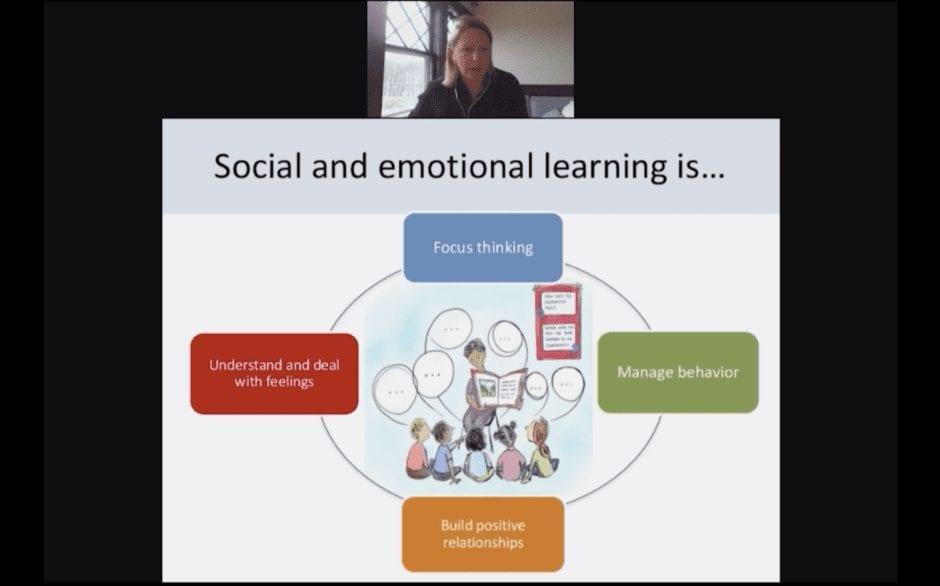
SEL, or Social and Emotional Learning, involves helping students develop skills such as self-awareness, self-management, social awareness, relationship skills, and responsible decision-making.For students with special needs—including those with autism, ADHD, learning disabilities, or emotional disturbances—these skills can be notably challenging. Focusing on SEL for students with special needs addresses these unique obstacles, paving the way for greater independence and improved social integration.
Why Emphasize SEL?
-
Enhanced Classroom Participation:
SEL fosters a classroom habitat where all learners feel valued and understood, encouraging active engagement.
-
Improved Emotional Regulation:
Students learn to recognise and communicate emotions, decreasing the likelihood of meltdowns or social withdrawal.
-
Stronger Peer Relationships:
SEL helps students with special needs develop the interpersonal skills necessary for forming and maintaining friendships.
Benefits of SEL in Special Education
Integrating SEL in special education brings measurable improvements in social behavior, academic performance, and mental health. Here are some key benefits:
- Reduces Behavioral Issues: Enhanced self-regulation leads to fewer disruptions and disciplinary actions.
- Promotes Inclusion: Equips students with the skills to participate alongside their peers, reducing social isolation.
- Builds Confidence: Helps students recognize their unique strengths, fostering a growth mindset.
- Supports Transition: Prepares students for life changes, such as progressing to higher grades or transitioning to adulthood.
Top Strategies for implementing SEL for Students with Special needs
Creating a successful SEL program for students with disabilities requires strategic adaptations and thoughtful planning. Below are evidence-based strategies to maximize SEL outcomes:
1. Individualized Approaches and IEP Integration
- Customize SEL goals to align with Individualized Education Programs (IEPs).
- Collaborate with special education teachers, therapists, and families for consistency.
2. Visual Supports and Social Stories
- Use visual aids such as emotion charts, social scripts, and pictorial schedules to make abstract concepts concrete.
- Social stories outline common social scenarios, offering step-by-step guidance for expected behaviors.
3. Explicit Teaching and Role-Playing
- break down social-emotional skills into clear,manageable steps.
- Use role-playing to practice greetings, conflict resolution, and identifying feelings.
4. Incorporate Technology-Based Supports
- SEL apps for special education like ClassDojo and Zones of Regulation provide interactive lessons, helping reinforce skills both at school and home.
- Video modeling shows students examples of positive social interactions.
5. Sensory-Friendly environments
- optimize classroom setups to reduce overstimulation with calming spaces or sensory tools (fidget toys, noise-cancelling headphones).
- Allow for movement breaks and flexible seating.
6. Mindfulness and Emotional Regulation Techniques
- Guided breathing exercises and mindfulness activities help students pause and reflect on their emotions.
- Use check-in routines to help students express how they are feeling each day.
7. peer-Mediated Interventions
- Engage neurotypical peers as models or buddies to encourage positive social behaviors.
- facilitate group activities that foster inclusion and teamwork.
Real-life Examples and Case Studies
SEL strategies for students with special needs are most powerful when contextualized. Here are some real-world examples highlighting the effectiveness of these approaches:
Case Study 1: Using Visual Supports with Autism Spectrum Disorder (ASD)
A third-grade student with ASD struggled with transitions and understanding peer expectations during recess. The support team introduced a visual schedule and social stories featuring cartoon characters mimicking playground behaviors. Within weeks, the student began initiating play, articulating when he needed help, and exhibiting fewer outbursts.
Case Study 2: Role-Playing for Emotional Regulation in ADHD
In a middle school setting,a small group of students with ADHD practiced role-playing scenarios to express frustration without escalating. Over several months,teachers noticed a marked enhancement in students’ ability to use their “calm down plans” independently,leading to reduced conflicts and increased class participation.
First-hand Experience: Teacher Perspective
“Integrating SEL into our daily lessons has transformed our classroom culture. Students with different abilities feel safer expressing themselves,and their peers are also learning patience and empathy. Progress may be gradual, but the impact on relationships and confidence is significant.”
– Michelle G., Special Education Teacher
Practical Tips for Educators and Caregivers
Implementing SEL strategies for students with special needs in daily routines doesn’t have to be overwhelming. Here are practical, actionable tips:
- Start Small: Introduce one new SEL skill or practice at a time. Let students master simple tasks before moving to complex skills.
- Model Desired Behaviors: Consistently demonstrate positive self-talk, empathy, and emotion-management in yoru interactions.
- Use Consistent Routines: Predictability helps students feel secure. Embed emotion check-ins and SEL prompts in daily activities.
- Partner with Families: Share SEL objectives and resources with caregivers, empowering them to reinforce skills at home.
- Leverage Technology: Explore SEL apps and online tools tailored to various learning needs.
- Celebrate Progress: Recognize and reward small steps, building self-esteem and motivation.
Additional Resources for SEL and Special needs
- CASEL (Collaborative for Academic, Social, and Emotional Learning)
- Zones of Regulation
- Autism Speaks: Social Skills and Autism
Conclusion
Empowering students with special needs through Social and Emotional Learning is a life-changing investment. By integrating effective SEL strategies, educators and caregivers can unlock students’ potential, paving the way for academic achievement, stronger peer relationships, and enhanced emotional well-being. Whether you’re a teacher, parent, or school administrator, proactive and tailored SEL implementation can make a profound difference—starting today.
have you tried innovative SEL techniques in your classroom or at home? Share your experiences and insights in the comments below!