
SEL for Students with special Needs: Effective Strategies to Boost Social-Emotional Learning
Social-Emotional Learning (SEL) is crucial for all students, especially those with special needs. By fostering self-awareness, emotional regulation, and relationship-building skills, SEL empowers learners to succeed academically and personally. Though, implementing effective SEL strategies for students with special needs requires thoughtful adaptation and a supportive environment. In this comprehensive guide,we’ll explore actionable strategies,practical tips,and inspiring case studies to help educators,parents,and caregivers boost SEL for students with learning differences.
What is Social-Emotional Learning (SEL)?
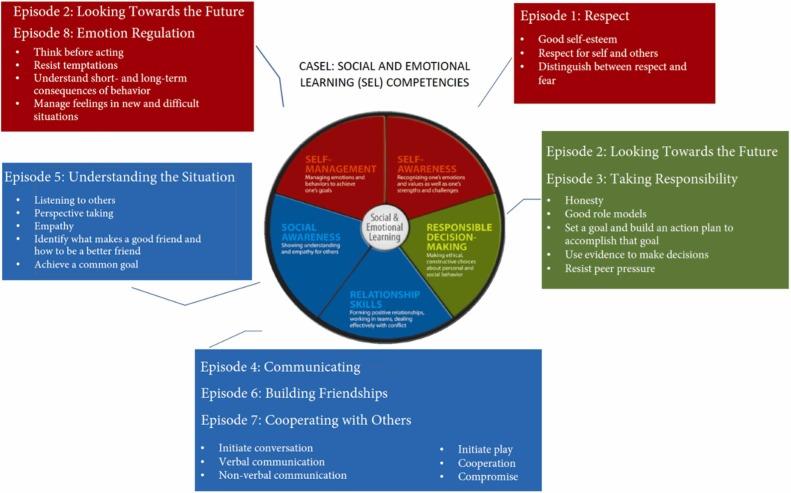
Social-Emotional Learning is the process through which individuals acquire and apply the knowledge, attitudes, and skills necessary to understand and manage emotions, set and achieve positive goals, feel and show empathy for others, establish and maintain positive relationships, and make responsible choices.
- self-awareness: Understanding one’s emotions and values
- Self-management: Regulating emotions and behaviors
- Social awareness: Showing empathy and understanding others
- relationship skills: Building healthy relationships
- Responsible decision-making: Making ethical and constructive choices
For students with special needs, SEL provides foundational life skills that can support academic learning, peer relationships, and overall well-being.
Why SEL Matters for Students with Special Needs
SEL is particularly critically important for students with special needs, as they frequently enough face unique challenges in dialog, emotional regulation, and social interactions. These challenges can affect their sense of belonging, engagement in school, and academic success. Equipped with inclusive SEL strategies, educators can create a more supportive learning environment that addresses each student’s individual requirements.
Benefits of SEL for Special Education
- Enhanced self-esteem: Students gain confidence by learning how to manage their emotions and relationships.
- Improved social skills: Learners cultivate empathy, cooperation, and communication abilities.
- Reduced behavioral issues: Effective SEL leads to fewer disciplinary incidents and improved classroom climate.
- Greater independence: Students learn to advocate for themselves and make informed decisions.
- Better academic performance: The skills gained from SEL support academic achievement and focus.
Effective SEL Strategies for Students with Special needs
Implementing SEL for students with special needs demands adaptability,patience,and creativity. Below are research-based strategies tailored to the diverse needs of these learners.
1. Explicit SEL Instruction
- break down SEL concepts into manageable, concrete steps.
- Use visual supports such as charts, pictures, or social stories to illustrate concepts.
- Reinforce learning through modeling, role-playing, and repetition.
2. Individualized Supports and Accommodations
- Adapt SEL activities to each student’s Individualized education Program (IEP).
- Offer alternative communication tools (e.g., augmentative and alternative communication devices) for non-verbal students.
- Provide sensory supports (like fidget tools, noise-cancelling headphones) for students sensitive to environmental stimuli.
3. Scaffolded Social Skills Training
- Break down social skills and teach them in step-by-step sequences.
- Practice skills in a range of settings,from small groups to classroom-wide activities.
- Encourage peer partnerships and “buddy systems” for real-life practice.
4. Support Emotional Regulation
- Teach students to identify and label their emotions using emotion charts and visual aids.
- Introduce calming strategies such as deep breathing, mindfulness, or sensory breaks.
- Offer a “safe space” in the classroom where students can go to self-regulate.
5. Foster Inclusive peer Interactions
- Design cooperative learning projects to encourage collaboration between students of all abilities.
- Use structured games and activities that promote kindness, empathy, and teamwork.
- Facilitate open class discussions about diversity, acceptance, and respect.
6. Family and Community Engagement
- Keep parents informed about SEL goals and strategies being used in the classroom.
- Encourage families to reinforce SEL skills at home with simple activities and routines.
- Partner with community organizations to provide additional SEL resources or mentoring programs.
Practical Tips for Implementing SEL in Special Education
- Use consistent routines: predictable routines help special needs students feel safe and secure, allowing them to focus on SEL development.
- Incorporate play-based learning: Games, role-play, and dramatic activities allow students to practice empathy and problem-solving in a fun, low-pressure context.
- Positive reinforcement: Reinforce desired behaviors with praise, tokens, or a reward system tailored to individual motivators.
- Active listening: Give students your full attention, acknowledge their thoughts and feelings, and encourage open communication.
- Staff collaboration: Foster regular communication between special education teachers, general education teachers, and support staff to ensure continuity in SEL strategies.
case Study: SEL Success in Action
Case Study: maplewood Elementary’s SEL Initiative
Maplewood Elementary School implemented a tailored SEL program for its students with special needs. Teachers used visual schedules, social stories, and mindfulness exercises daily. In addition, the school provided staff training on inclusive language and proactive behaviour supports. Within one academic year,teachers observed a 40% decrease in disruptive incidents and notable improvements in peer interactions and emotional regulation among their special needs students.
“Our students are expressing their feelings more clearly and are eager to participate in group activities. the SEL strategies have made a big difference in their confidence and peer relationships.”
— Ms. Ramirez, Special Education Teacher
First-Hand Experiance: A Parent’s Perspective
Lisa, the mother of a child with autism, shares: “When the school started using visual emotion boards and allowed my son to take sensory breaks, I noticed him coming home calmer and more open about his feelings. These small changes made a huge difference in his ability to cope and connect with others.”
Common Challenges and how to Overcome Them
- Challenge: Difficulty in understanding or expressing emotions
- Solution: Combine visual prompts,modeling,and repetitive practice to foster comprehension.
- Challenge: Resistance to group activities
- Solution: Gradually ease students into group settings, starting with one-on-one peer interactions.
- Challenge: Inconsistent implementation
- Solution: Develop an SEL plan with input from all stakeholders and assign clear roles for consistency.
Conclusion: Building inclusive Social-Emotional Skills for lifelong Success
Effective SEL for students with special needs is an investment in their future, fostering resilience, empathy, and greater independence. By adopting individualized, engaging, and inclusive SEL strategies, educators and families can definitely help every student thrive socially, emotionally, and academically.Don’t hesitate to adapt these tips to fit your unique learners—and remember that a supportive, collaborative community is at the heart of accomplished social-emotional learning.
Looking to learn more? Explore additional SEL strategies for students with special needs and join the growing movement toward inclusive education!