
SEL for Students with Special Needs: Effective Strategies to Enhance Social-Emotional Learning
Supporting social-emotional learning (SEL) in the classroom has become a vital component of modern education. For students with special needs, SEL is not only beneficial—it is transformative. This guide will walk you through implementing effective SEL strategies for students with special needs, discuss the unique challenges they face, and provide actionable tips and real-world examples to empower all learners.
What is SEL and Why Is It Important for Students with Special Needs?
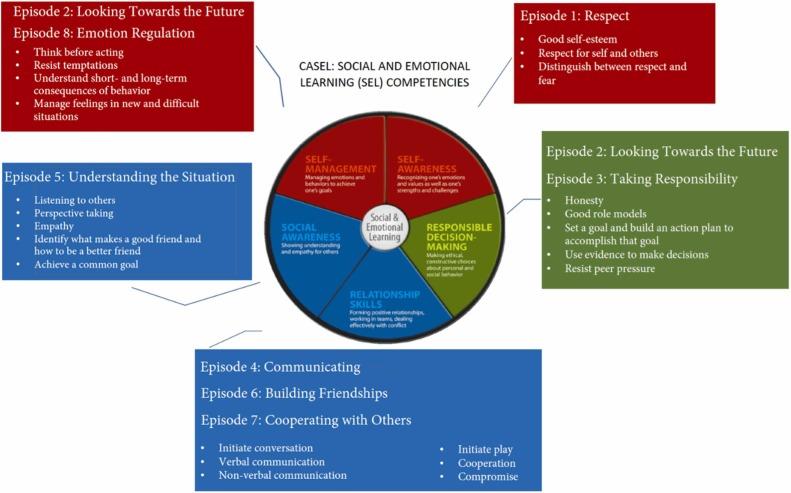
Social-emotional learning refers to the process by which students acquire and effectively apply the knowledge and skills necessary to understand and manage emotions,set positive goals,show empathy for others,build positive relationships,and make responsible decisions.
For students with disabilities—such as autism spectrum disorder (ASD), learning disabilities, or behavioral or emotional disorders—routine SEL approaches may not be sufficient.These students often face additional hurdles in emotional regulation, interaction, and social integration, making targeted SEL instruction essential for academic and life success.
Benefits of SEL for Students with special Needs
- Improved Emotional Awareness: SEL helps students identify and express their emotions appropriately.
- enhanced Social Skills: Targeted interventions foster communication, cooperation, and positive interactions.
- Reduced Behavioral Problems: SEL can decrease incidents of aggression or withdrawal by teaching self-regulation.
- Boosted academic performance: When students feel safe and connected, they are more engaged and ready to learn.
- increased Independence: SEL skills promote self-advocacy and better decision-making both inside and outside the classroom.
Challenges in Implementing SEL for Students with Special needs
While SEL offers many advantages, educators and caregivers often encounter unique challenges, such as:
- Diverse Learning Needs: Students may require highly individualized approaches.
- Communication Barriers: Some students may struggle to express their feelings verbally or recognize others’ emotions.
- Sensory Sensitivities: Overstimulation can hinder participation in group SEL activities.
- Limited Generalization: It can be hard for students to apply learned SEL skills across settings and situations.
Effective Strategies for enhancing SEL in students with Special Needs
1. Individualize SEL Activities
Meet students where they are. Assess each student’s current social-emotional skills, preferences, and needs. Use personalized goals aligned with their Individualized Education Program (IEP) or 504 Plan.
2. Utilize visual Supports
Visual tools help students understand concepts that can be abstract. Visual schedules, emotion charts, social stories, and cue cards are effective for reinforcing SEL skills.
- Emotion thermometers or face cards for recognizing feelings
- Step-by-step diagrams for conflict resolution or friendship building
- Picture schedules for daily routines and transitions
3. Teach through Modeling and Role-Play
Explicitly model the behavior you want students to emulate.Role-playing scenarios enable students to practice greetings, conversations, or problem-solving in a safe, structured surroundings.
4. Incorporate Social Narratives and Stories
Social narratives describe situations and expected behaviors, making complex social concepts accessible. these stories can be customized for diverse abilities and specific SEL goals.
5. Integrate Technology and Assistive Devices
Leverage apps, games, and communication devices that are designed for special education. Interactive stories or digital emotion charts can make SEL lessons more engaging and accessible.
6. Foster Peer Support and Inclusive Activities
Use collaborative projects, buddy systems, or cooperative games to facilitate natural social interactions. Peer modeling is an effective way to encourage all students to develop empathy and social skills.
7. Scaffold Learning with Repetition and Reinforcement
Consistent practice and positive reinforcement help SEL concepts stick. Small group work, praise, and rewards for demonstrating target behaviors are key techniques.
8. Provide Sensory-Friendly SEL Spaces
Designate a quiet, sensory-friendly corner as a safe space where students can regulate emotions and practice calming strategies.
9. Collaborate with Therapists and Families
Regular communication with speech-language pathologists, occupational therapists, and families ensures SEL strategies are consistently supported at school and home.
Real-World Case Study: SEL in an Inclusive Classroom
“One of our third-grade students with ASD was struggling with group work and emotional outbursts. By introducing a visual emotion chart and using role-play to rehearse sharing and coping skills, we saw a remarkable improvement in her ability to manage frustration and engage with peers. involving her parents and speech therapist in the SEL process helped reinforce these skills at home.”
— Sarah J., Special Education Teacher
Practical Tips for Teachers and Caregivers
- Break down SEL skills into small, teachable steps.
- use positive affirmations and visual rewards to recognize growth.
- Adjust language and expectations according to each student’s ability.
- Build SEL activities into daily routines, such as morning meetings or closing circles.
- Integrate mindfulness exercises—like deep breathing or guided imagery—to reduce anxiety.
- Seek student input: let learners choose preferred SEL activities or topics.
- Document progress closely and adjust strategies as needed.
Working with Diverse Special Needs Populations
- For Students with Autism: Use concrete language,visual cues,and plenty of practice opportunities.
- For Students with ADHD: Incorporate movement breaks, structure, and self-monitoring tools.
- For nonverbal Students: Facilitate communication using AAC devices, gesture-based systems, or adapted materials.
- For Students with Emotional or Behavioral Disorders: Emphasize self-regulation, reflection, and calm-down strategies.
Frequently Asked Questions (FAQs)
What are the key SEL competencies for students with disabilities?
The five core SEL competencies—self-awareness, self-management, social awareness, relationship skills, and responsible decision-making—apply to all students. They are often taught via specialized, accessible methods in special education settings.
How can SEL be assessed for students with special needs?
SEL progress can be measured using observation, portfolios, checklists, and reports from both teachers and families. Many schools also adapt standardized SEL assessments for accessibility and relevance.
Are there recommended SEL curricula for special education?
Yes! Examples include Zones of Regulation, Second Step, PATHS, and customized social stories. Select programs that are evidence-based and allow for customization.
Conclusion: Empowering Every Learner Through SEL
Implementing SEL for students with special needs is not a one-size-fits-all effort. With the right strategies—tailored to individual needs, supported by collaborative teamwork, and reinforced through visual, sensory, and technological supports—schools and families can definitely help every child develop essential social-emotional skills. This not only enhances academic outcomes, but also nurtures personal growth, resilience, and lifelong success.
By embracing inclusive social-emotional learning practices, educators play a powerful role in fostering an environment where all learners feel understood, valued, and equipped to thrive both in the classroom and beyond.