
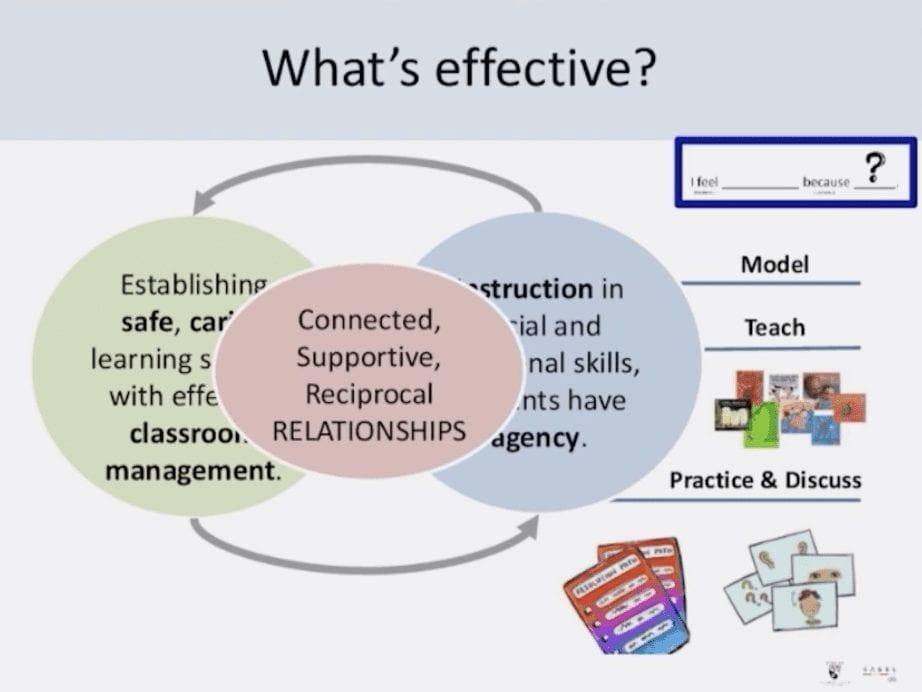
SEL for Students with Special Needs: Effective Strategies to Foster Emotional and social Growth
Supporting the emotional and social development of all children is crucial. For students with special needs, Social-Emotional Learning (SEL) can be transformative, offering tailored strategies that build confidence, connection, and resilience. In this article, we’ll explore the importance of SEL, its specific benefits for students with disabilities, and practical strategies to create a nurturing, inclusive classroom environment.
What is Social-Emotional Learning (SEL)?
Social-Emotional Learning (SEL) is the process through which children and adults understand and manage emotions, set and achieve goals, show empathy for others, build positive relationships, and make responsible decisions. SEL for students with special needs requires thoughtful adaptation to various abilities,dialog styles,and sensory needs.
- Self-awareness
- Self-management
- Social awareness
- Relationship skills
- Responsible decision-making
why SEL Matters for Students with Special Needs
SEL is essential for all learners, but it holds particular significance for students with special needs, such as autism spectrum disorder, ADHD, learning disabilities, and emotional or behavioral disorders. These students may face additional challenges with communication, emotional regulation, and social interaction.
Benefits of SEL for Students with Disabilities
- Improved Communication: SEL helps students express their needs and emotions effectively, even if verbal communication is tough.
- Self-Regulation Skills: Students develop coping mechanisms to handle anxiety, frustration, and other strong emotions.
- Enhanced Social Skills: SEL programs foster the development of empathy, cooperation, and conflict resolution skills.
- increased classroom Engagement: When students feel understood and supported, they are more likely to participate actively.
- Positive Relationships: Building trust and connection with peers and adults leads to better academic and life outcomes.
Effective SEL Strategies for Students with Special Needs
Tailoring SEL for special education requires creativity and flexibility. Here are several evidence-based strategies that teachers, therapists, and parents can use to foster emotional and social growth in students with disabilities.
1.Visual Supports and Social Stories
Visual cues such as charts, emotion cards, and step-by-step guides help students process social information. Social stories illustrate different scenarios, showing what to expect and how to respond.
- Use emotion wheels or charts for students to point to their feelings.
- create individualized social stories about daily routines or common challenges.
2. Consistent Routines & Structured Transitions
Predictability reduces anxiety. Structured routines provide clear expectations and security for students with special needs.
- Announce transitions in advance.
- Use visual schedules to show the daily plan.
3. Modeling and Role-Playing
Demonstrate social interactions with clear,slow instructions. Use role-playing activities to practice greetings, sharing, or asking for help.
- Praise attempts at positive social skills, even if imperfect.
- Break down complex situations into simple steps.
4. Sensory Breaks and Regulation Tools
Many students with special needs experience sensory overload.Incorporate sensory breaks, fidget items, or calming corners to help students self-regulate.
- Offer sensory bins, textured objects, or headphones as needed.
- Create a classroom “calm area” for breaks.
5. Individualized Goals and Progress tracking
Set clear, attainable SEL goals tailored to each student’s abilities. Use frequent, positive feedback and visual progress trackers to celebrate achievements.
6. Peer Mentoring and Cooperative Activities
Foster connections by pairing students with special needs with nurturing peers in guided activities. Cooperative learning builds social confidence and empathy.
- Use buddy programs or group projects with defined roles.
- Facilitate positive peer interactions through facilitated games.
7. Integrating Technology and Assistive Devices
Leverage technology for SEL through apps, adaptive communication devices, and online games that teach emotion recognition or mindfulness.
- Try apps like ClassDojo,Zones of Regulation,or Choiceworks.
- Use video modeling for social situations.
Practical Tips for Teachers and Parents
- Collaborate Regularly: Coordinate with special education teachers, counselors, and families to reinforce consistent SEL strategies at school and at home.
- Emphasize Strengths: Encourage students by focusing on their abilities, interests, and successes in SEL goals.
- Create a safe Environment: Use positive language,celebrate small wins,and show patience during social or emotional setbacks.
- Flexibility is Key: Be prepared to adapt your approach based on the emotional or sensory needs of the moment.
- Model Self-care: Show students healthy ways to manage stress and emotions by practicing mindfulness or simple relaxation techniques together.
Case studies: SEL Success in Inclusive Classrooms
Case Study 1: Building Social Skills in Students with Autism
In a public elementary school, teachers integrated visual emotion charts and structured peer-interaction games for a group of students with autism. Over three months, the students showed improved ability to label emotions and increased participation in group discussions, demonstrating that consistent visual supports can boost self-awareness and social engagement.
Case Study 2: Empowering Students with ADHD Through Mindfulness
A middle school implemented daily mindfulness moments and regular movement breaks for students with ADHD. Teachers reported a significant decrease in classroom disruptions and better self-regulation, demonstrating the impact of sensory and mindfulness strategies for emotional management.
First-Hand Experience: A Teacher’s Viewpoint
“In my inclusive classroom, combining social stories with daily check-ins and lots of praise made a world of difference for my students with special needs. Watching them greet a new friend or use their coping strategies independently has been the most rewarding part of my teaching career.”
— Ms. H.,Special Education Teacher
Conclusion: Nurturing emotional and Social Growth for All Learners
SEL is more than a curriculum—it’s a commitment to helping every child find their voice,manage their feelings,and connect with others. For students with special needs, effective SEL strategies open doors to confidence, friendship, and success. By embracing individualized approaches, regular collaboration, and a culture of empathy, schools and families can create inclusive environments where all students grow socially and emotionally.
As we continue to learn from research and real-world experience, adopting SEL for students with disabilities remains one of the most powerful tools for fostering a kinder, more supportive educational landscape. Start small, be consistent, and celebrate every step forward—your students will thrive.