
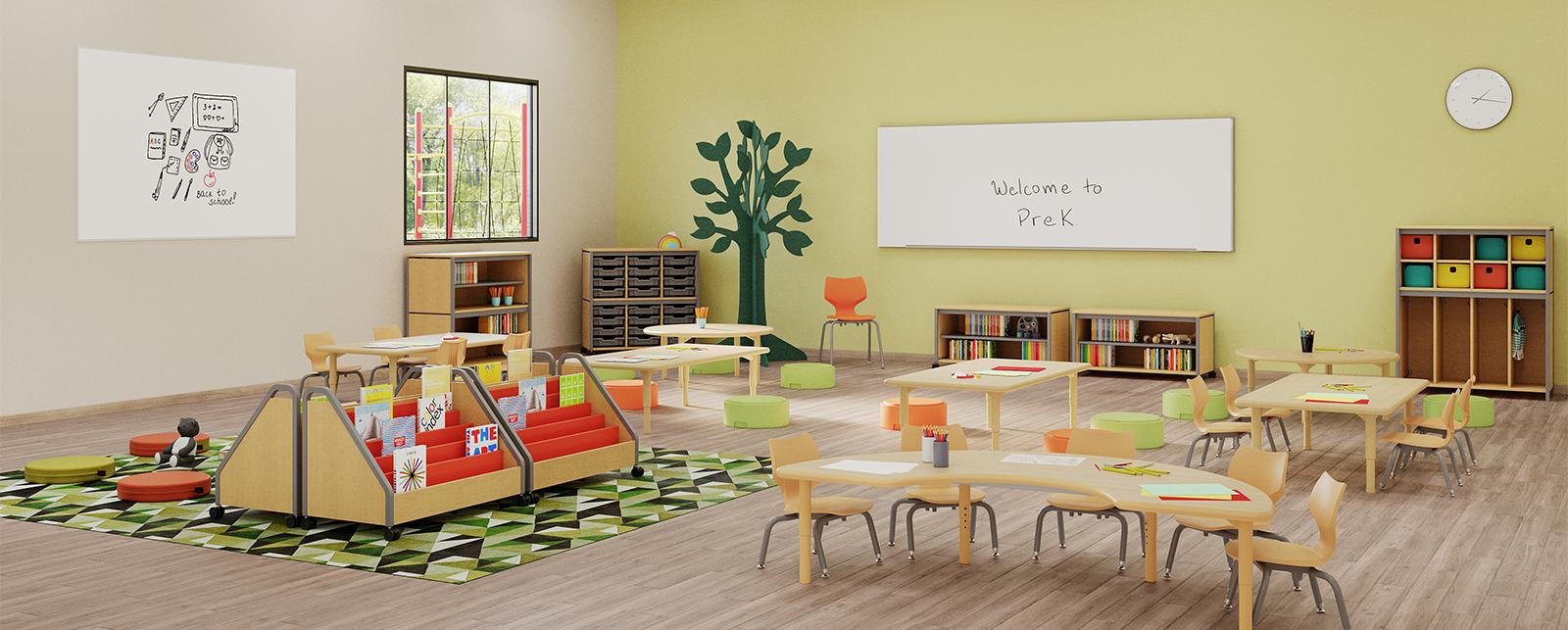
SEL for Students with Special Needs: Effective Strategies to Foster Emotional Growth
Social-Emotional Learning (SEL) plays a pivotal role in every child’s growth, but its impact is especially profound for students with special needs. As educators, parents, and caregivers strive to foster environments where every student can thrive, integrating SEL into special education becomes not just beneficial but essential. In this comprehensive guide, we’ll explore how to implement SEL for students with special needs, effective strategies to encourage emotional growth, real-world case studies, and actionable tips to transform your approach.
What is Social-Emotional Learning (SEL)?
Social-Emotional Learning (SEL) is the process through which individuals acquire and apply knowledge, skills, and attitudes to understand and manage emotions, set positive goals, show empathy, establish healthy relationships, and make responsible decisions. For students with special needs—including those with autism, ADHD, learning disabilities, or emotional and behavioral disorders—SEL offers critical opportunities for emotional and social growth.
Why SEL Matters for Students with Special needs
- Inclusion and Belonging: SEL helps students feel accepted and included, reducing isolation.
- Building Resilience: It equips children with coping strategies to manage adversity and challenges.
- Promoting Self-Awareness: SEL fosters self-reflection, helping students identify their strengths, emotions, and needs.
- Enhancing Communication: Students learn vital social skills such as listening, expressing themselves, and interpreting social cues.
- Academic Improvement: Well-developed SEL supports better focus, motivation, and perseverance in learning.
Key Components of SEL for Special Needs Students
- Self-Awareness: Recognizing emotions, strengths, and limitations.
- Self-Management: Regulating behaviors, emotions, and impulses.
- Social Awareness: empathy, respect for others, understanding diversity.
- Relationship skills: cooperation, conflict resolution, and teamwork.
- Responsible decision-Making: Ethical, constructive choices about personal and social behavior.
Effective Strategies for Implementing SEL with Special Needs Learners
1. Personalize SEL Activities
Tailoring SEL activities to align with each student’s abilities and challenges makes these approaches more meaningful. Use differentiated instruction and visual supports, such as emotion cards, decision trees, and personalized stories.
2.Utilize Visual Aids and Structured Routines
- Leverage visual schedules, social stories, and emotion charts to help students identify and express feelings.
- Maintain consistent routines to create a sense of safety, allowing students to practice SEL skills in a predictable environment.
3. Incorporate Assistive technology
Digital tools, such as apps for emotional recognition or interactive SEL games, can be especially helpful for students with communication barriers. Selected apps and platforms can reinforce SEL concepts through engaging, multisensory experiences.
4.Model and Teach Emotional Vocabulary
- Use explicit instruction and modeling to build emotional vocabulary (“happy,” “frustrated,” “nervous,” etc.).
- Role-playing and storytelling help students understand feelings in real-life scenarios.
5. Practice Calm-Down Techniques
- Integrate mindfulness activities and breathing exercises.
- Designate a calm-down corner with sensory tools like soft textures, weighted blankets, or stress balls.
6.Encourage Peer Interaction and social Practice
- Facilitate structured peer activities—like pairs or small group games—to practice sharing, turn-taking, and empathy.
- Pair students with “SEL buddies” for collaborative tasks.
7. Involve Families and the Community
- Share SEL goals and strategies with families through workshops,newsletters,or online portals.
- encourage consistent practice at home to reinforce emotional growth across settings.
Practical Tips: integrating SEL into Daily Routines
- Begin the day with feelings check-ins. Allow students to choose an emotion or facial expression that represents how they feel.
- Create a classroom SEL board where students track their feelings, achievements, and goals.
- Use picture books or videos about emotions as conversation starters.
- Schedule regular classroom meetings to discuss successes and challenges in a safe, supportive space.
- Celebrate progress, not just outcomes—acknowledge students’ efforts in regulating their emotions and solving problems.
Case Studies: SEL Success Stories with Special Needs Students
Case Study 1: Visual Supports for an Autistic Student
in a suburban elementary school,“Sam,” a third-grader with autism,struggled to interpret social cues and manage frustration during group work. his teacher introduced a set of emotion cards paired with “If I feel… Then I can…” decision boards. Within weeks, Sam began to name his feelings and use coping strategies independently. Over time, not only did his outbursts decrease, but he also began seeking peer partnerships—transforming his classroom relationships and academic engagement.
Case Study 2: Peer-Mediated Support in Inclusive Classrooms
A middle school included students with ADHD in collaborative SEL games, assigning them as team leaders. Carefully structured rules, with built-in reminders and positive reinforcement, allowed these students to shine. Their confidence blossomed, social integration improved, and the whole class benefited from a more respectful and collaborative environment.
Benefits of SEL for Students with Special Needs
- Improved Emotional Regulation: Students learn practical tools to manage anxiety, anger, or excitement.
- Social Skills Development: SEL fosters friendship-building and group participation skills.
- Academic Gains: Better emotional health translates to fewer disruptions and increased focus in the classroom.
- Enhanced Self-Esteem: Children feel valued and confident when their unique strengths are recognized.
- Long-term Resilience: SEL prepares students for transition beyond school, equipping them with skills for independent living and workplace success.
Overcoming Challenges in SEL for Special Needs learners
- Barrier: Communication Difficulties
Solution: Use choice communication methods, such as augmentative and alternative communication (AAC) devices, sign language, or picture-based tools.
- Barrier: Sensory Processing Issues
Solution: Provide sensory-friendly materials and allow for regular breaks as part of SEL activities.
- Barrier: Generalization of Skills
Solution: Collaborate with families and specialists to promote practice across various settings, ensuring continuity and reinforcement.
First-Hand Experience: A Teacher’s Perspective
“Implementing SEL for my students with special needs has been transformative. One student, previously withdrawn and prone to meltdowns, began to verbalize her feelings after consistent use of daily check-ins and visual cues. Her academic participation increased—and so did her smile. SEL may seem like ‘just another thing,’ but for these students, it’s everything.”
– Ms. Carter, Special education Teacher, Colorado
Conclusion: Building a Foundation for Lifelong Emotional Wellness
SEL for students with special needs isn’t just an add-on—it’s an integral part of nurturing the whole child. When tailored with effective strategies—like visual supports, explicit emotional vocabulary, structured routines, and inclusive peer interactions—SEL empowers special needs students to understand themselves, connect with others, and overcome challenges with resilience and confidence.
Whether you’re a teacher, parent, or advocate, integrating SEL for special needs learners will foster not only emotional growth but lifelong well-being, unlocking every child’s unique potential. Start small,be consistent,and celebrate every victory—no matter how big or small. Together,we can create truly inclusive,supportive,and emotionally healthy learning communities.