
SEL for Students with Special Needs: Effective Strategies to Foster Social-Emotional Growth
Social-Emotional Learning (SEL) is critical in supporting academic achievement, emotional wellbeing, and positive life outcomes for all learners. for students with special needs, SEL plays an even more vital role, offering customized approaches to build resilience, empathy, self-awareness, and interpersonal skills. In this comprehensive guide, we explore effective SEL strategies to foster social-emotional growth among students with diverse learning requirements.
Why SEL Is Crucial for students with Special Needs
SEL for students with special needs goes beyond customary teaching. Many children in this group face unique challenges—communication differences, sensory sensitivities, or behavioral hurdles—that impact their ability to navigate social interactions. Research has shown that targeted SEL interventions can:
- Improve self-esteem and confidence
- Enhance academic performance
- reduce instances of bullying and exclusion
- Develop essential coping and problem-solving skills
- Encourage positive peer relationships
- Support positive behavior management
Key Components of Effective SEL for Special Needs Students
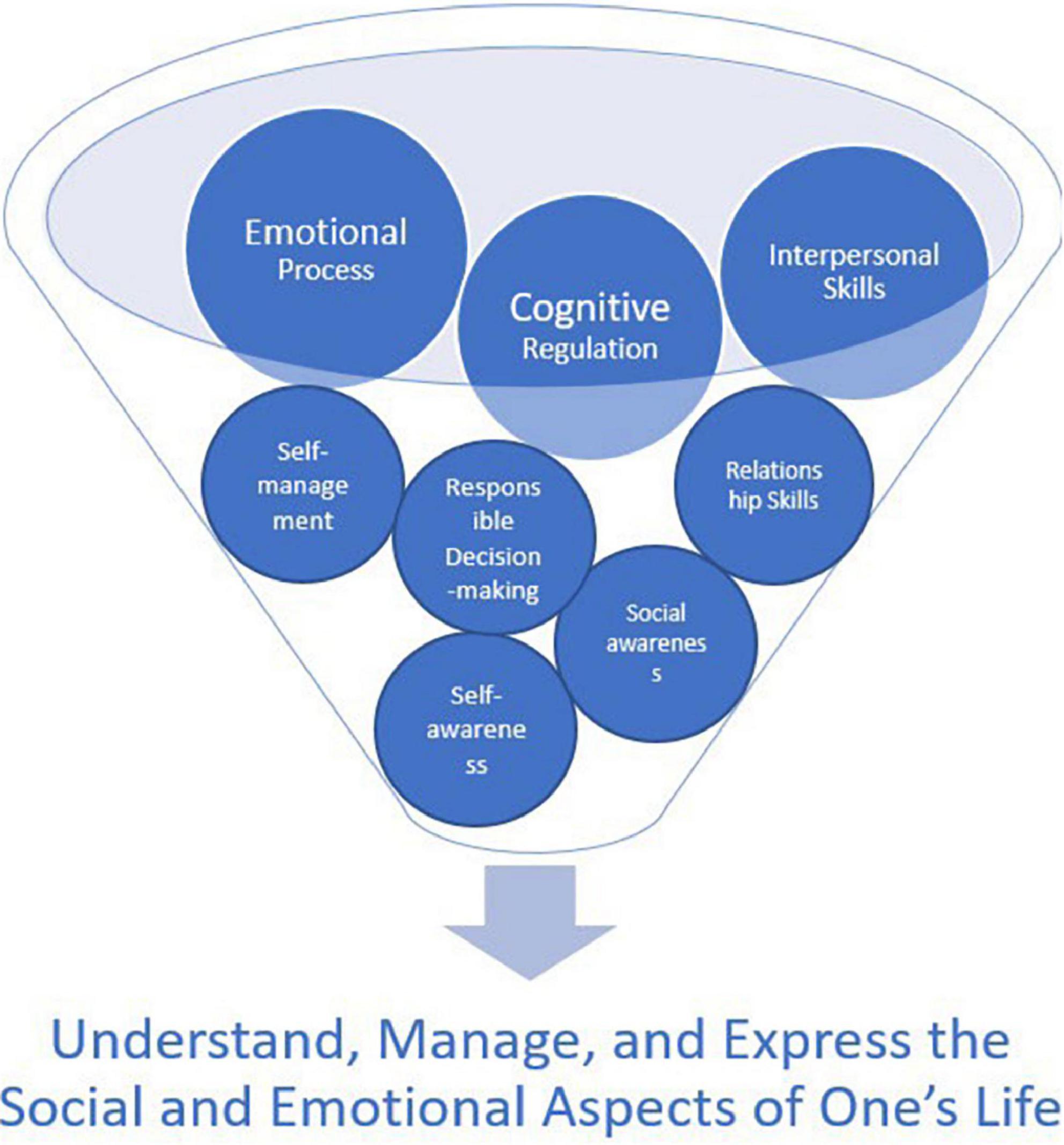
SEL strategies for students with special needs should be adaptable,inclusive,and evidence-based. The core components include:
- Self-Awareness: understanding feelings, strengths, and challenges
- self-Management: Regulating emotions, setting goals, and managing stress
- Social Awareness: Demonstrating empathy and respect for others and diversity
- Relationship Skills: Building healthy friendships and resolving conflicts
- Responsible Decision-Making: Making thoughtful and safe choices
Effective Strategies to Foster Social-Emotional Growth
To cultivate a nurturing environment, educators and caregivers can adopt a range of SEL strategies for special needs students. Here are powerful, research-backed tactics:
1.Personalized SEL Instruction
- Assess every student’s individual strengths, interests, and needs.
- Set clear, realistic, and measurable SEL goals (use IEPs or 504 plans as a framework).
- Choose activities and materials that align with each student’s learning style and communication skills.
2. Visual Supports & Social Stories
- Use visual schedules, emotion cards, and social scripts to illustrate expectations and routines.
- Model social situations using social stories to guide students thru conflict resolution, making friends, or managing transitions.
3. Role-Playing & Real-Life Scenarios
- Engage students in role-playing exercises to practice appropriate responses in various social situations.
- Make learning practical by simulating real-world settings (grocery store, playground, classroom collaboration).
4.Mindfulness & Emotion Regulation Techniques
- Incorporate deep breathing exercises, sensory breaks, and guided meditation to help students manage stress and remain calm.
- Teach students to identify and express their emotions using simple language or nonverbal cues.
5. Positive Reinforcement & Praise
- Reinforce positive behaviors with specific praise, reward systems, and tangible incentives.
- Give immediate and clear feedback that helps the student understand the desired behavior.
6. Collaborative Learning and Peer Supports
- Pair students with special needs with supportive peers for buddy programs or group projects.
- Facilitate opportunities to practice turn-taking, sharing, and respectful communication.
7. Assistive Technology for SEL
- Make use of SEL apps, emotion-identifying tools, and communication devices tailored for special needs learners.
- leverage gamified learning platforms that teach social skills in an engaging way.
Benefits of SEL for Students with Special Needs
An effective SEL program provides immediate and lifelong benefits for children with disabilities:
- increased emotional resilience in dealing with setbacks or frustrations
- Improved academic engagement and motivation
- Better classroom behavior through understanding and self-regulation
- Stronger sense of belonging, reducing isolation
- Greater family and community involvement as students learn to communicate their needs
“SEL isn’t just about teaching skills—it’s about building bridges so every student feels valued and understood.”
– Inclusion Specialist, Springfield School District
Practical Tips for Educators and Caregivers
- Establish consistent routines to foster a sense of security and predictability.
- Model calm and empathetic reactions to encourage emotional regulation.
- Challenge assumptions—give students space to show their competencies and preferences.
- Use multisensory instruction (visual,auditory,tactile,movement) to accommodate different learning needs.
- Encourage family engagement in SEL activities for continuity between home and school.
- Reflect regularly—adapt and refine your SEL approach based on student responses and feedback.
Case Study: SEL Success in Action
Meet Jordan: a 9-year-old with autism spectrum disorder who struggled with peer interactions and emotional outbursts in class. His school implemented a personalized SEL curriculum with daily emotion check-ins, visual cues, and mindfulness breaks. Over six months, Jordan began initiating conversations, practiced asking for help, and showed improved self-control during transitions.His teachers noted a visible increase in confidence and friendships.
This real-world example highlights how individualized SEL interventions can bring about positive change, not just academically but in a student’s overall quality of life.
First-Hand Experience from the Classroom
Emma Thompson, Special Education Teacher:
“Implementing SEL with my students with special needs has transformed our classroom environment. Students are more engaged, less anxious, and more willing to try new things. Adaptive SEL isn’t just an add-on—it’s essential to helping them thrive academically, socially, and emotionally.”
Recommended SEL Resources for Special Needs Educators
- CASEL (Collaborative for Academic, Social, and Emotional Learning)
- Autism speaks Social Skills Resources
- Understood.org SEL Strategies
- Apps like ClassDojo, Zones of Regulation, and Social Express
Conclusion: Fostering a Brighter Future through SEL
SEL for students with special needs is not just beneficial—it’s transformative. By employing inclusive, evidence-backed strategies, educators and caregivers can empower every child to build emotional resilience, form healthy relationships, and reach their full potential. As the field of social-emotional learning evolves, ongoing support, collaboration, and creativity will remain vital in helping all students—regardless of ability—thrive academically and personally.
Ready to create a more inclusive and emotionally supportive learning environment? Start small, be consistent, and remember: every positive interaction shapes a child’s future.