
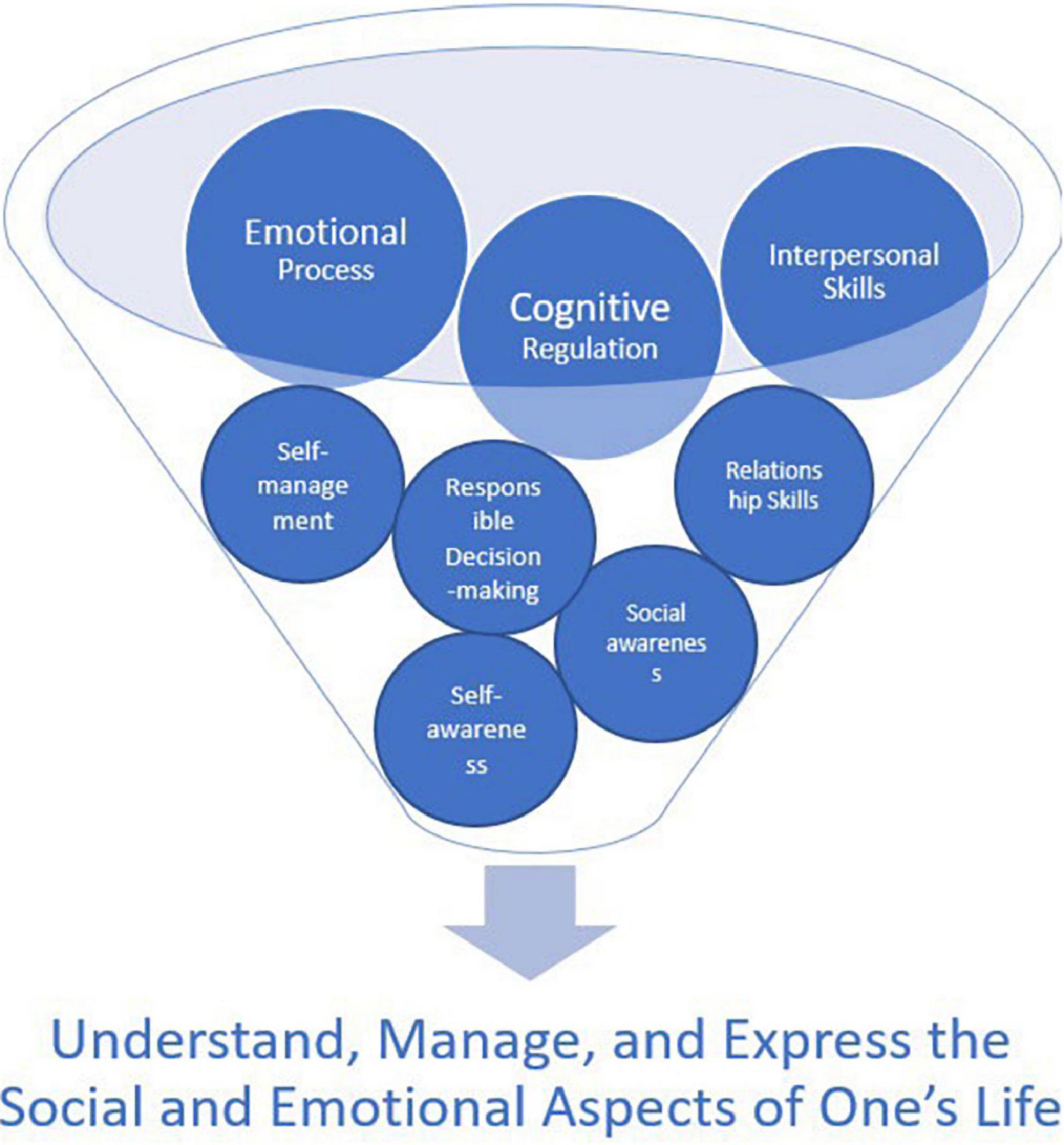
SEL for Students with Special Needs: Effective Strategies to Foster Social-Emotional Growth
social-Emotional Learning (SEL) is at the forefront of modern education, supporting all students in managing emotions, building relationships, and making responsible decisions. For students with special needs, robust SEL programs are even more essential in navigating daily challenges and empowering them to thrive academically and personally. in this article, we’ll examine inclusive SEL strategies, their benefits, and actionable tips for educators and caregivers eager to foster social-emotional growth for students with special needs.
Understanding SEL for Students with Special Needs
SEL involves teaching core competencies that allow students to:
- Recognize and manage emotions
- Develop caring and concern for others
- Establish positive relationships
- Make responsible decisions
- Handle challenging situations effectively
Children with special needs—including those with autism spectrum disorder, ADHD, or learning disabilities—often require tailored SEL approaches to meet their unique learning styles and developmental levels. SEL for students with special needs focuses on individualized supports,multimodal instruction,and ongoing collaboration among teachers,therapists,and families.
The Importance and Benefits of Inclusive SEL Programs
When thoughtfully implemented, SEL initiatives deliver numerous benefits for students with special needs. These include:
- Increased Self-Awareness: Students better understand their feelings and learning profiles, boosting confidence.
- Enhanced Communication: SEL fosters the ability to express needs, wants, and emotions clearly and appropriately.
- Deeper Relationships: Building empathy and cooperation skills helps students form meaningful connections with peers.
- Improved Behavior: With stronger coping mechanisms, students display fewer behavioral challenges and are more likely to participate in class.
- Greater Academic Success: Research shows that SEL interventions can improve academic outcomes,especially when tailored to diverse learners.
Key Strategies for Fostering Social-Emotional Growth in Students with Special Needs
Effective SEL for students with special needs requires flexibility, patience, and a toolkit of evidence-based approaches. Hear are proven strategies educators can use:
1. Embed Visual Supports & Social Stories
- Visual Schedules: Use pictorial routines to help students anticipate transitions and activities, reducing anxiety.
- Social Stories: Create simple narratives that outline expected behaviors in common scenarios, like sharing or asking for help.
- Emotion Charts: Display charts that help students identify and label their emotions, facilitating emotional literacy.
2. Differentiate Instruction and Practice
- Break down SEL lessons into manageable steps and revisit concepts frequently.
- Use multisensory methods—such as songs, games, videos, and role-play—to reinforce SEL concepts.
- Provide hands-on practice with real-life scenarios, such as greeting classmates or resolving conflicts.
3. Model and Reinforce Positive Behavior
- Demonstrate empathy, active listening, and problem-solving in your own interactions.
- Offer consistent praise and specific feedback when students use SEL skills successfully.
- Use visual or tangible rewards to reinforce desired behavior, tailoring reinforcements to each student’s preferences and motivators.
4.foster a Supportive Classroom Habitat
- Design calm-down corners or sensory areas where students can decompress when overwhelmed.
- Encourage peer buddies and promote cooperative learning opportunities to build friendship and social awareness.
- Set clear, consistent routines and classroom expectations to provide structure and a sense of safety.
5. Incorporate Mindfulness and Self-Regulation Techniques
- Teach simple breathing exercises, guided imagery, or gentle stretches as self-regulation tools.
- Use timers or break cards to help students recognize and manage their own need for sensory breaks.
- Encourage reflection by asking students to articulate what strategies helped them feel calm or focused.
Practical Tips for Implementing SEL in Inclusive Classrooms
- Collaborate with Specialists: Work closely with speech-language pathologists, occupational therapists, and school psychologists to align SEL goals with Individualized Education Programs (IEPs).
- Leverage Assistive Technology: Use communication devices, apps, or software that support social-emotional skill development.
- engage Families: Involve caregivers in setting SEL goals and practicing skills at home to reinforce classroom learning.
- Monitor Progress: Use regular check-ins, observations, and data-tracking to measure each student’s growth and adjust strategies as needed.
Firsthand Experiences: Stories from the Classroom
Educators and parents frequently enough witness remarkable transformations when SEL strategies are personalized for students with special needs:
“Our student with autism initially struggled with group activities. Through consistent use of social stories and peer buddy support, he now initiates conversations and seeks help when needed.” – Ms. Foster,Special Education Teacher
“The feeling chart helped my daughter express frustration before it led to a meltdown. She’s now using words to ask for breaks.” – Parent of a 3rd Grader with ADHD
Case Study: SEL Success with multimodal Approach
Case: A middle school implemented a multimodal SEL program for students with a range of disabilities. Teachers integrated visual aids, hands-on activities, mindfulness sessions, and group discussions into daily routines.
- Outcome: Within four months, students showed a 40% reduction in behavioral incidents, increased peer interactions, and improved self-care skills.
- Takeaway: Combining diverse SEL strategies meets various profiles and creates sustainable,positive change for students with special needs.
Recommended Resources for SEL in Special Education
- CASEL (Collaborative for Academic, Social, and Emotional Learning)
- Autism Society – Social Skills Resources
- Understood.org – Strategies for Neurodivergent Learners
- PBIS (Positive Behavioral Interventions & Supports)
Conclusion: Building an Inclusive Future with SEL
Investing in SEL for students with special needs transforms educational experiences and opens doorways to lifelong success. By leveraging individualized strategies—ranging from visual supports to peer learning and mindfulness techniques—educators foster environments where all learners feel understood and empowered. Start integrating these practices today, and together, let’s cultivate classrooms where everyone’s social-emotional growth can flourish.