
SEL for Students with Special Needs: Effective Strategies to Support Emotional and Social Growth
In today’s inclusive classrooms,Social and Emotional Learning (SEL) for students with special needs is recognized as a cornerstone of holistic education.Addressing the emotional and social dimensions of learning not only enhances academic outcomes but also empowers students to thrive beyond the classroom.This comprehensive guide will delve into why SEL is crucial for students with special needs,effective strategies to implement,benefits,practical tips,and inspiring real-world examples.
Why SEL Matters for Students with special Needs
Students with special needs—ranging from autism spectrum disorders to ADHD, learning disabilities, or emotional and behavioral challenges—often face distinctive social and emotional obstacles.SEL programs help these students:
- Develop self-awareness and identify their feelings
- Build coping skills to handle stress and frustration
- Improve peer relationships through empathy and communication
- Enhance decision-making abilities in real-life scenarios
According to CASEL, SEL is especially vital for students with exceptionalities, as it lays the foundation for academic engagement and lifelong success.
Key Components of SEL for Special Needs Learners
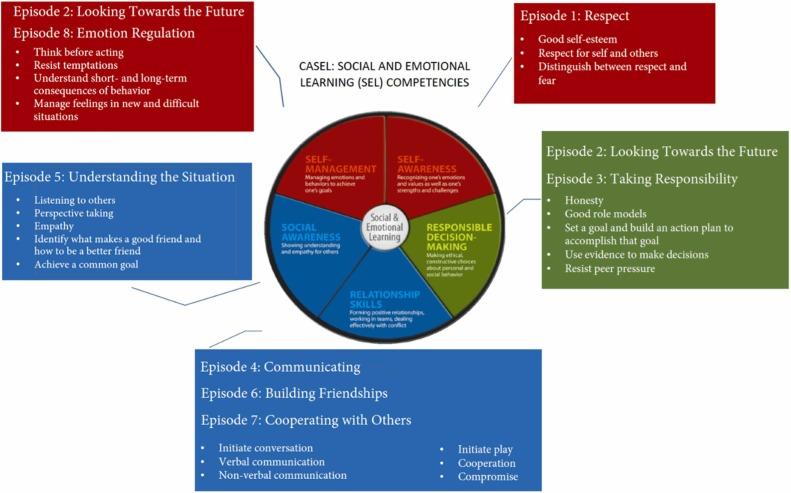
SEL frameworks often focus on five main competencies. here’s how each can be tailored for diverse learners:
- Self-Awareness: Adapt programs to include visual aids, emotion cards, and concrete examples.
- Self-management: Use structured routines and individualized behavior supports.
- Social Awareness: Implement role-playing, social narratives, and peer buddy systems.
- Relationship Skills: Foster through group work, communication boards, and cooperative games.
- Responsible Decision-Making: Offer guided choices and practice real-world problem-solving.
Effective Strategies for SEL Implementation
Here are research-based strategies for successfully teaching SEL to students with special needs:
-
Visual Supports:
- Incorporate visual schedules, charts, and cue cards to reinforce routines and expectations.
-
Multi-Sensory Instruction:
- Use manipulatives,music,movement,and drama to teach social concepts and emotional recognition.
-
Social Stories:
- Create tailored stories that model specific social situations and appropriate responses.
-
Role-Playing and Modeling:
- Allow students to practice social interactions in a safe and supportive environment.
-
Peer-Mediated Supports:
- Implement buddy systems where peers model and reinforce positive social behaviors.
-
Positive Reinforcement:
- Provide immediate, specific feedback to encourage desired behaviors and emotional responses.
-
Personalized Goal Setting:
- Work with students to set achievable social and emotional goals tailored to their abilities.
-
Family and Community Involvement:
- Engage caregivers and therapists in SEL skill-building, both at home and in community settings.
Practical Tips for Teachers and Schools
- Start Small: Integrate SEL concepts into daily routines, such as morning meetings or group circles.
- Model Social-Emotional Skills: Demonstrate empathy,self-regulation,and respectful communication throughout the day.
- Allow Processing Time: Provide extra time for students to understand and respond to social cues or emotional triggers.
- Create Safe Spaces: Designate calming corners or “chill zones” for students to manage overwhelming emotions.
- Use Technology: Explore apps and assistive devices that support emotion identification and social interaction.
- Collect Data: Track progress using checklists, journals, or digital portfolios to inform instruction and celebrate growth.
Benefits of SEL for Students with Special Needs
The impact of SEL for students with special needs is well-documented in educational research. here are some key advantages:
- Improved Self-Regulation: Students develop the ability to manage strong emotions and adapt to changes.
- Stronger Peer relationships: Enhanced communication and empathy lead to more meaningful connections with others.
- Increased Academic Engagement: A positive self-image and safe social climate encourage participation and persistence.
- Reduced Behavior Issues: SEL helps decrease disruptive behaviors and the need for disciplinary interventions.
- Preparation for Life Beyond School: Social and emotional competencies are transferable to the workplace and community.
Case Study: SEL Success in an Inclusive Classroom
At Willow Creek Elementary, educators implemented a multi-modal SEL curriculum designed for their diverse learners, including students with autism and emotional disturbances. Over six months, teachers reported:
- 30% reduction in classroom disruptions
- Considerably higher rates of peer-to-peer interactions
- Greater confidence among students in expressing their needs
According to the school counselor, “Teaching SEL skills transformed not just our students with special needs, but the entire school culture.”
First-Hand Experience: A Teacher’s Outlook
“When I began teaching SEL to my students with autism,I was amazed at the difference a simple visual schedule and ‘feelings thermometer’ could make. One child, who rarely participated in group activities, started to share how he felt during circle time. By breaking down emotions into concrete steps, my students gained not only vocabulary but real tools for navigating their world.”
– Mrs. Heather T., Special Education Teacher
Recommended SEL Resources for Special needs
- Autism Internet Modules – Offers free online modules for teaching social skills.
- Pathway 2 Success – SEL activities, visuals, and routines for all abilities.
- CASEL – Research-based SEL framework guides and tools.
- Zones of Regulation – A popular program for teaching emotional self-regulation.
- Social Thinking – Practical curricula and materials for social communication challenges.
Conclusion: Fostering Growth Through SEL for All
SEL for students with special needs isn’t just a curriculum—it’s an essential lifelong skill set that can transform lives.By adopting structured,personalized approaches and fostering a supportive classroom environment,educators help each student build emotional intelligence,resilience,and positive social connections.
If you’re an educator, parent, or caregiver, start small, leverage the strategies and resources shared above, and remember: every step toward social and emotional growth makes a meaningful difference in the lives of students with special needs.
Empower every student to connect, thrive, and succeed—one SEL skill at a time.