
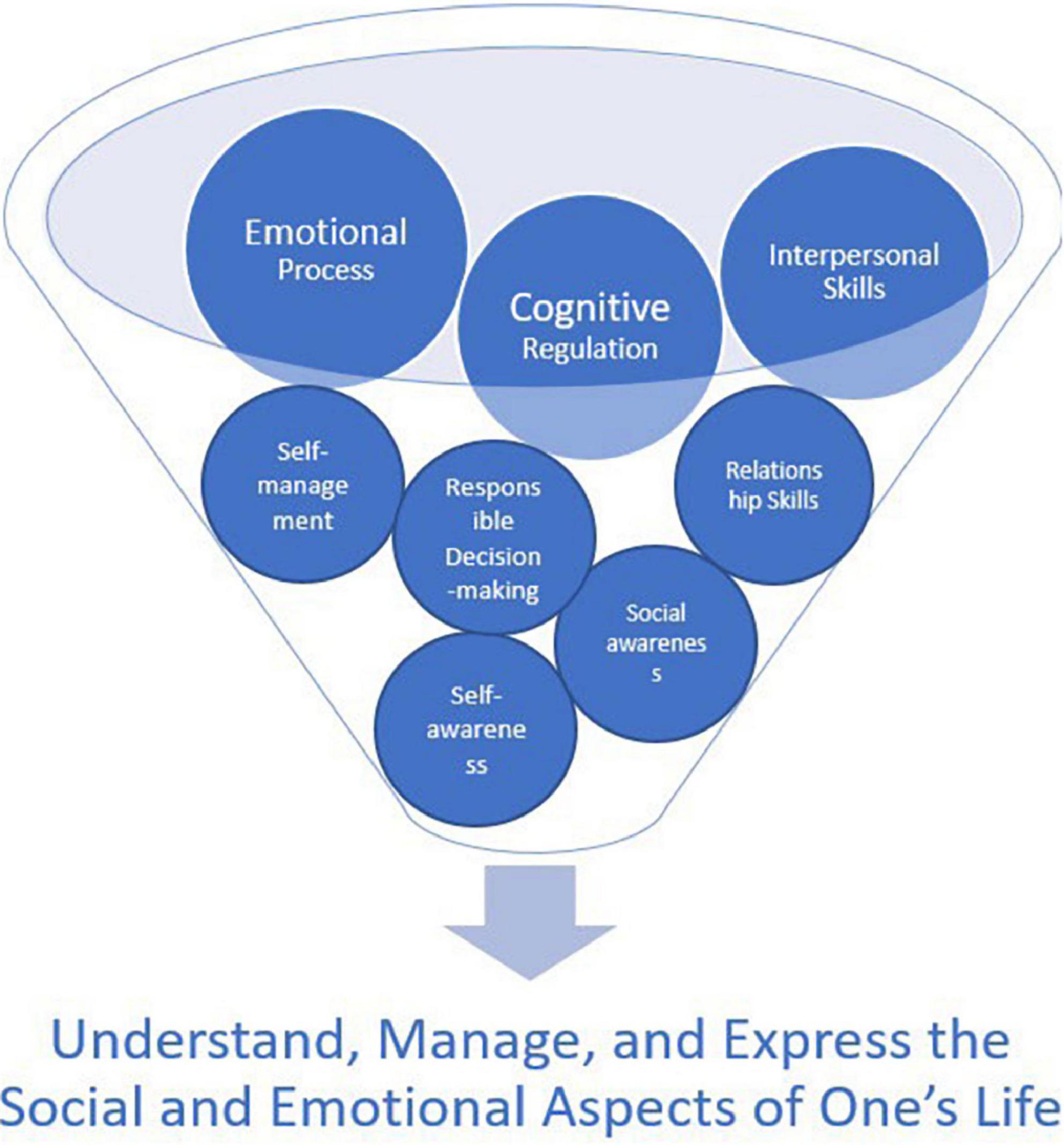
SEL for Students with Special needs: Effective Strategies to Support Emotional Growth
Social-Emotional Learning (SEL) plays a crucial role in every student’s progress, but it holds special significance for students with special needs. By nurturing emotional intelligence, self-awareness, and interpersonal skills, SEL programs empower these students to thrive academically, socially, and emotionally.In this thorough guide, we’ll explore the benefits of SEL for students with special needs, delve into effective strategies, and offer practical tips to create a supportive, inclusive learning environment.
understanding SEL and Its Importance for Students with Special Needs
Social-Emotional Learning (SEL) is an educational framework focused on helping students recognise and manage their emotions, build healthy relationships, make responsible decisions, and develop empathy. For students with special needs—including those with autism, ADHD, learning disabilities, and emotional-behavioral disorders—SEL provides a powerful avenue to:
- improve self-regulation and coping skills
- Strengthen communication and social interactions
- Reduce behavioral challenges and conflicts
- Foster resilience and self-confidence
Students with special needs may face unique barriers in these areas. A targeted SEL approach enables educators to address these challenges, paving the way for holistic emotional growth.
the Benefits of SEL for Students with Special Needs
- Enhanced Emotional Regulation: SEL teaches strategies for recognizing and managing intense emotions, reducing anxiety and frustration.
- Improved Social Skills: structured SEL activities promote understanding of social cues,turn-taking,and collaboration.
- Greater Academic Performance: As emotional well-being improves, students are able to focus better and engage more deeply with learning.
- Reduced Behavioral Issues: SEL equips students with alternatives to disruptive behavior, leading to fewer disciplinary interventions.
- Increased Inclusion and Empathy: A strong SEL program benefits all students, promoting a culture of understanding and acceptance.
Effective SEL Strategies for Students with Special Needs
Implementing SEL for students with special needs requires thoughtful adaptation, patience, and consistent reinforcement. The following evidence-based strategies can be tailored to meet the diverse needs of learners:
1. Visual Supports and Social Stories
- Create visual reminders of routines,emotions,and expected behaviors using charts,cards,or digital tools.
- Use social stories to illustrate real-life scenarios and model appropriate responses.
2. Explicit Emotional Vocabulary Instruction
- Teach emotion words directly: happy, mad, frustrated, excited, worried, etc.
- Use emotion journals or feelings check-ins to help students practice identifying and expressing feelings.
3. Role-Playing and Guided Practice
- Engage students in role-play activities to practice social skills such as greetings, conflict resolution, and asking for help.
- Provide positive feedback and gentle correction to scaffold learning.
4. Use Technology for SEL
- Incorporate apps designed for emotion regulation, mindfulness, or social skill development.
- Leverage assistive devices (AAC, speech-generating devices) for students with communication challenges.
5.Mindfulness and Self-Regulation techniques
- Teach simple breathing exercises, progressive muscle relaxation, or visualizations to manage stress.
- Incorporate quiet zones or calm corners in the classroom with sensory tools for self-regulation.
6. Collaborative Learning and Peer Modeling
- Pair students with supportive peers for group activities and discussions.
- Highlight positive interactions and model empathy and inclusion as an educator.
Practical Tips for Educators and caregivers
- Integrate SEL Daily: Make SEL a daily part of your classroom routine, not a one-time lesson.
- Celebrate Small Wins: Progress may be gradual; celebrate every step forward, no matter how small.
- Collaborate with Families: Share SEL strategies with families to encourage consistency across home and school settings.
- Professional Development: Invest in ongoing training to stay updated on SEL best practices for special education.
Unlock further engagement by encouraging students to voice their preferences for SEL activities, ensuring their interests and sensory needs are considered.
Case Study: SEL Success in a Special education Classroom
Background: Ms.Rodriguez teaches a self-contained classroom for students ages 8-12 with a range of learning and behavioral differences. Several of her students struggle with outbursts and difficulty making friends.
Strategy: ms. Rodriguez implemented a daily morning check-in, using visual emotion cards. She introduced weekly social stories and scheduled mindfulness breaks. She also paired students for collaborative projects and offered positive reinforcement for prosocial behaviors.
Outcomes:
- Within two months,students showed fewer behavioral outbursts and used emotion cards to express themselves.
- Classroom collaboration increased, with students volunteering to help one another.
- Parents reported improved communication and emotional expression at home.
this example illustrates that,with targeted SEL strategies,emotional growth and social connection are possible for every student.
First-Hand Experience: Insights from Parents
“Our son was diagnosed with ADHD and frequently enough felt overwhelmed in social settings. Integrating simple SEL activities—like breathing breaks and emotion labeling—helped him articulate his feelings and reduced his classroom anxiety,” shares Maria S., parent of a fourth-grader.
Many caregivers echo these sentiments, underscoring the remarkable difference tailored SEL approaches can make in the quality of life and learning success for students with special needs.
Conclusion: SEL as a Key to Unlocking Potential
Social-Emotional learning is not a one-size-fits-all approach—especially for students with special needs. However,with empathy,creativity,and thoughtful adaptation,SEL can transform classrooms,empower students,and foster lifelong emotional resilience. By incorporating evidence-based SEL strategies, collaborating with families, and celebrating growth, educators can help every student shine—emotionally, socially, and academically.
If you’re looking to build a more inclusive learning environment, start small: introduce a daily feelings check-in, model positive interactions, or explore SEL-focused resources. Every mindful step brings your students closer to reaching their fullest potential.
Explore more expert strategies, share your success stories, or reach out for personalized SEL coaching for your classroom. Together, we can nurture emotional growth for every learner!