
SEL for Students with Special Needs: Effective Strategies to Support Emotional Learning
Discover extensive strategies for implementing Social Emotional Learning (SEL) for students with special needs. Learn practical tips, benefits, and insights to support emotional development in inclusive classrooms.
SEL for Students with Special Needs: Effective Strategies to Support Emotional Learning
introduction
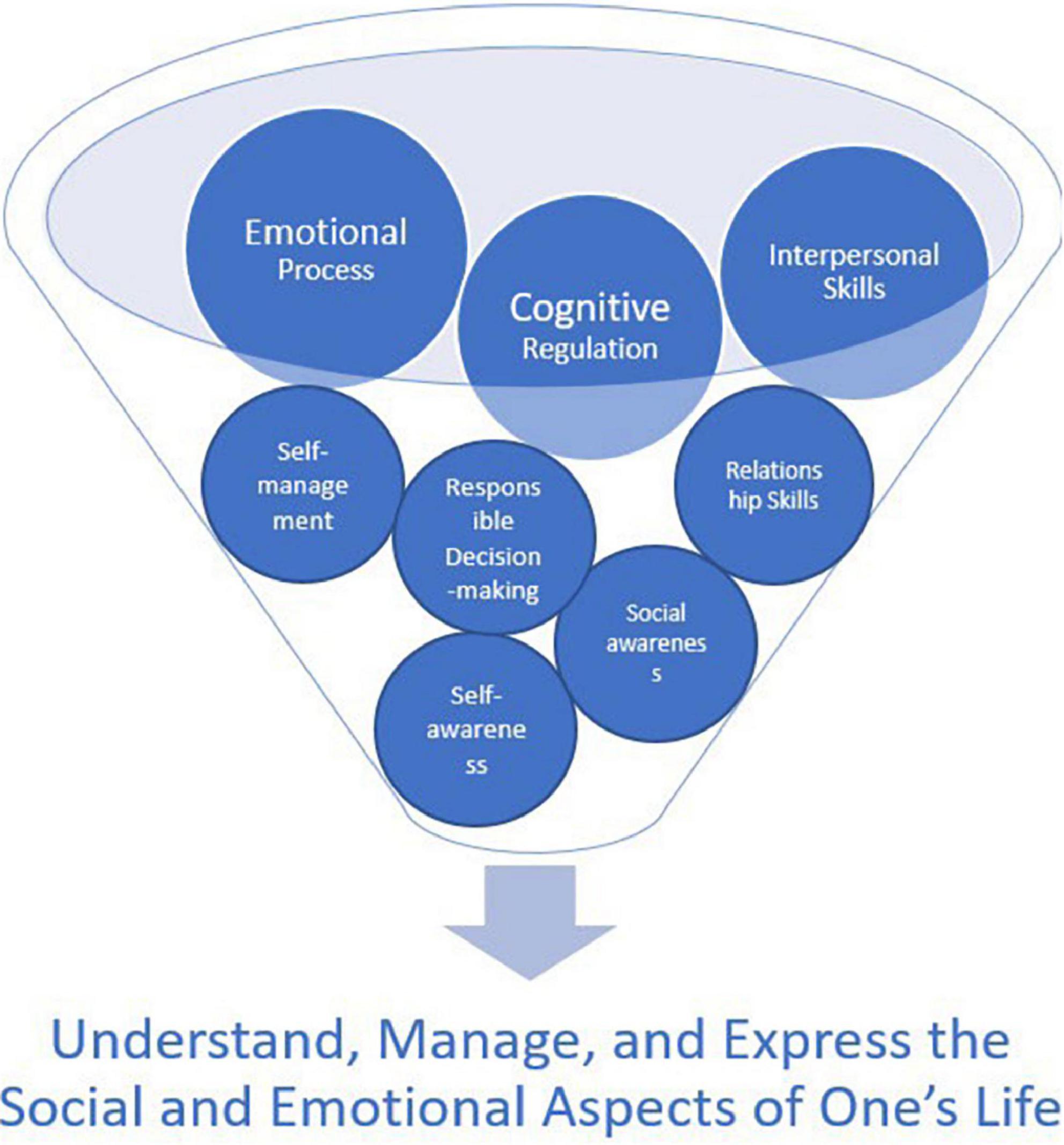
Social Emotional Learning (SEL) is a essential component of education, empowering children with the ability to understand and manage emotions, set goals, show empathy, build relationships, and make responsible decisions. For students with special needs, SEL takes on even greater importance, as they may face unique challenges in socialization, emotional regulation, and interaction. this comprehensive guide explores the importance of SEL for students with special needs and provides actionable strategies for educators, parents, and specialists to nurture emotional growth and resilience.
Why is SEL Important for Students with special Needs?
Research highlights that SEL can dramatically improve academic performance,emotional wellbeing,and social interactions for all learners. For students with special needs—such as those diagnosed with autism spectrum disorders, ADHD, learning disabilities, or emotional and behavioral disorders—SEL is crucial to:
- boost self-awareness and self-esteem
- Build emotional regulation skills
- Foster social skills and peer relationships
- Reduce anxiety, stress, and behavioral issues
- Enhance classroom engagement and participation
Inclusive SEL approaches create supportive environments where every student feels valued, understood, and empowered to succeed.
Key Benefits of SEL for Students with Special Needs
Improved Communication: SEL activities help students express emotions, communicate needs, and reduce frustration related to expressive difficulties.
Better Behavioral Outcomes: Emotional regulation strategies enable students to manage challenging behaviors and adapt to various situations.
Greater Independence: With enhanced self-awareness and coping skills, students develop autonomy in emotional decision-making.
enhanced Academic Performance: Research shows connections between SEL, increased focus, and academic achievement, especially for students with additional learning support needs.
Stronger Peer Relationships: Targeted SEL programs can improve social interactions, helping students make and keep friends.
Effective Strategies for Implementing SEL with Special Needs Students
1. Adapt SEL Curriculum to Individual Needs
Personalized Learning: adjust lesson content, formats, and pacing based on students’ IEP goals and cognitive abilities.
Multi-Sensory Approaches: Incorporate visual aids, social stories, role-playing, and hands-on activities to facilitate understanding.
Repetition & Consistency: Consistent routines and repeated practise help reinforce SEL concepts and foster mastery.
2. Create a Safe and Supportive Environment
positive Reinforcement: Use praise, rewards, or tokens to acknowledge progress and encourage continued effort.
Clear Structure: Visual schedules, social scripts, and step-by-step guidance reduce anxiety and provide predictability.
3.Teach and Model social Skills
Explicit Social Skills Instruction: Break down concepts like “sharing,” “waiting,” or “asking for help” into manageable steps.
Peer Modeling and Buddy Programs: Pair students with peers for guided practice and social interaction opportunities.
Use of Visual Supports: Tools like emotion cards,social stories,and visual cues can aid comprehension and expression.
4. Integrate Technology Aids
SEL Apps and Games: Utilize engaging digital tools that teach empathy, emotion recognition, and social skills (such as Zones of Regulation or Social Express).
Communication Devices: For non-verbal students,augmentative and alternative communication (AAC) devices can definitely help express feelings and needs.
5. Family and Caregiver Collaboration
Home-School Communication: Share SEL goals, resources, and progress with parents or caregivers to reinforce learning beyond the classroom.
Parent Training Workshops: Offer tips and strategies for caregivers to support SEL at home and in community settings.
Practical Tips to enhance SEL for Special Needs Learners
Integrate SEL activities into daily routines—morning circles, check-ins, or mindfulness moments.
Encourage self-expression through art,music,or drama,which helps students communicate emotions in creative ways.
Use “calm down corners” or quiet spaces for emotional regulation and self-soothing breaks.
Involve students in goal-setting and self-reflection exercises to boost self-motivation.
Seek support from specialists—school counselors, speech-language pathologists, or occupational therapists—to embed SEL goals into the wider curriculum.
Case Study: SEL in an Inclusive Classroom
At Lincoln Elementary, a fourth-grade teacher implemented a daily SEL routine emphasizing emotion identification and empathy-building. One student with autism initially struggled with group sharing and verbalizing feelings. By using visual emotion charts and role-playing games, adaptations tailored to the student’s communication style, the child gradually began to participate, share experiences, and respond to peers with empathy. Teachers noted a reduction in behavioral incidents and a significant improvement in classroom harmony.
This case illustrates how careful adaptation of SEL strategies for special needs students can led to tangible, positive outcomes for both individuals and the entire classroom community.
First-Hand Experience: Insights from Special Education Teachers
“Integrating SEL for students with special needs requires patience and creativity.We saw remarkable progress when we allowed students to set their emotional goals and offered visual choices for expressing how they felt each day.” – Special Education Teacher, New York
Teachers often share that collaboration among staff, individualized attention, and a willingness to adapt lead to the most meaningful successes. Incorporating student interests and preferred activities into SEL sessions makes the approach more engaging and effective for all learners.
Conclusion
SEL for students with special needs is not just an add-on—it is a vital foundation for lifelong learning, resilience, and positive mental health. By implementing structured,individualized,and inclusive SEL strategies,educators and families play a pivotal role in promoting emotional development,social competence,and academic achievement for every student. Embrace SEL as a journey—one that transforms classrooms into communities where each learner can thrive emotionally, socially, and academically.
For more resources and the latest research on SEL for special needs students, explore leading educational websites or connect with local specialists to ensure every student receives the support they deserve.