
SEL for Students with Special Needs: Essential Strategies for Inclusive Learning Success
Social-emotional learning, or SEL, is recognized as a cornerstone for academic achievement and personal development. For students with special needs, SEL is not just vital—it’s essential. This extensive guide dives into the key strategies, benefits, and real-world applications of SEL for students with special needs, tailored for educators, parents, and schools striving for true inclusivity and student success.
Understanding SEL and Its Importance for Students with Special Needs
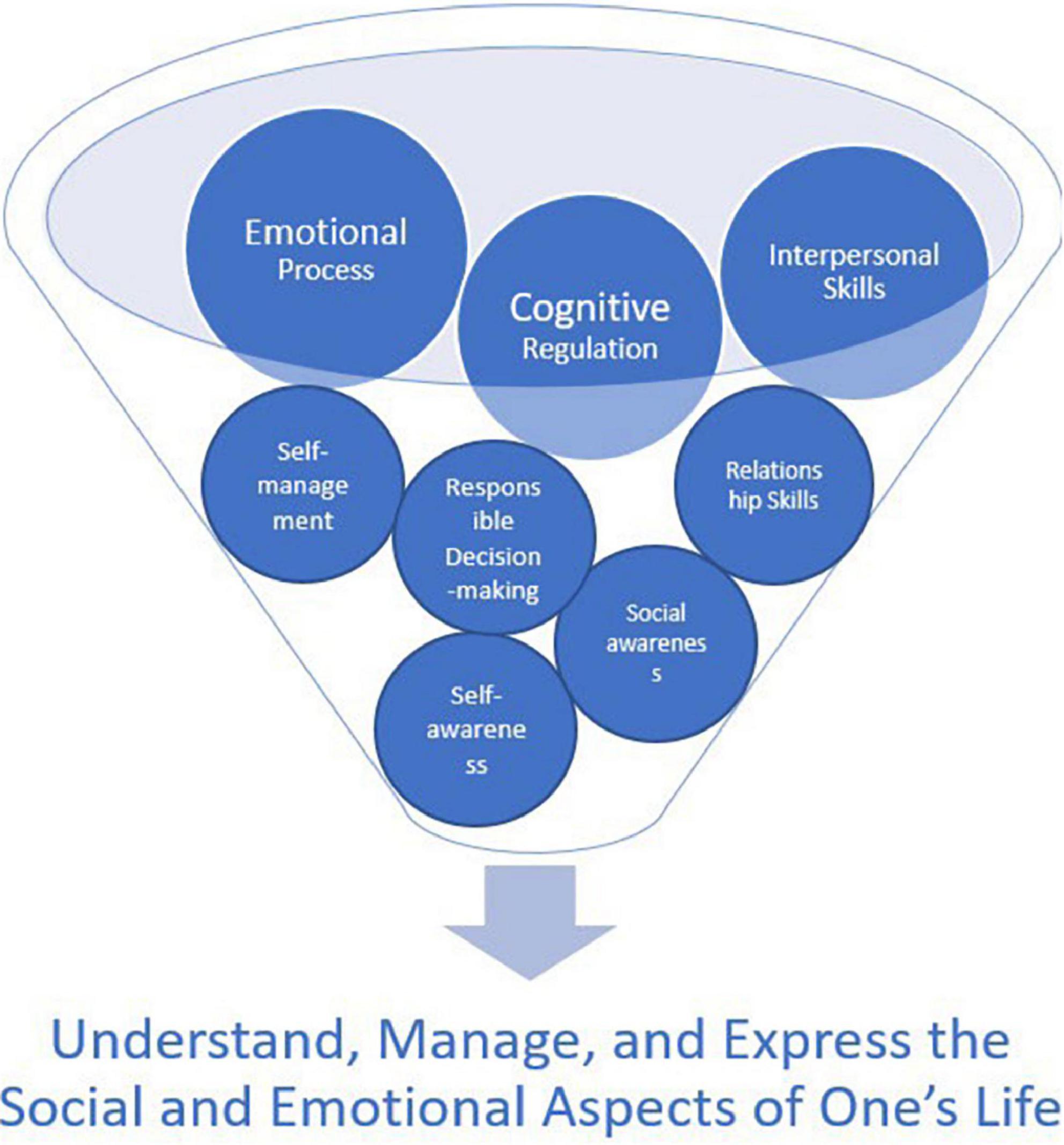
Social-emotional learning is the process through which children acquire and apply the knowledge, attitudes, and skills necessary to:
- Understand and manage emotions
- Set and achieve positive goals
- Feel and show empathy
- Establish and maintain positive relationships
- Make responsible decisions
For students with special needs—including those with autism spectrum disorder (ASD), ADHD, learning disabilities, and emotional or behavioral disorders—SEL offers targeted support in overcoming challenges and participating actively in both academic and social settings.
Benefits of SEL for Students with Special Needs
Integrating SEL into inclusive education environments yields profound benefits for students with special needs:
- Improved Emotional Regulation: Students learn to identify and manage complex emotions, reducing instances of frustration and behavioral issues.
- Enhanced Social Skills: SEL builds interpersonal skills crucial for making friends, collaborating, and resolving conflicts.
- Boosted Self-Esteem and Confidence: Students gain tools to recognize thier strengths and value in the classroom community.
- Better Academic Performance: Research shows a positive correlation between SEL implementation and improved academic outcomes.
- Reduced Anxiety and Stress: With clear strategies, students feel safer and more supported, leading to a healthier learning environment.
Essential SEL Strategies for Inclusive Learning Success
Effective social-emotional learning for students with special needs requires intentional, adaptable strategies. The following essential approaches foster truly inclusive classrooms:
1. Explicit Instruction in SEL Skills
- Break down SEL skills (like active listening or emotion identification) into concrete, teachable steps.
- Use modeling, role-play, and visual supports to reinforce concepts.
- Embed SEL into daily routines for consistent practice.
2. Personalized and Scaffolded Learning
- Adapt SEL activities to align with each student’s unique abilities and IEP goals.
- Use assistive technology, visual schedules, and social stories to support comprehension and application.
- Provide choices and autonomy to foster self-advocacy and engagement.
3. focus on Communication and Relationships
- Facilitate opportunities for peer interaction in both structured and unstructured settings.
- Use communication boards, picture exchange systems, or AAC devices as needed.
- Promote empathy and understanding among all students through buddy systems and cooperative learning activities.
4. Safe and Predictable Classroom Environments
- Develop clear routines and use visual aids to support transitions and expectations.
- Implement sensory-friendly elements such as quiet corners or fidget tools.
- Encourage self-regulation with mindfulness activities or calming strategies.
5.Collaborative partnerships
- Engage families, therapists, and support staff in SEL planning and implementation.
- Share strategies and progress to ensure consistency between home and school.
- Train all staff on inclusive SEL practices and disability awareness.
Practical Tips to Enhance SEL for Students with Special Needs
- Use Visual Supports: Charts, timelines, and pictograms make abstract SEL concepts accessible and memorable.
- Keep Language Clear and Concrete: Avoid metaphors or idioms that might confuse literal thinkers.
- Highlight Strengths: Recognize individual talents and provide leadership opportunities.
- Practice Regularly: Incorporate SEL into daily lessons—not just as an add-on but as a core content area.
- Celebrate Small Wins: Acknowledge progress both big and small, supporting a growth mindset for all learners.
Real-World Case Study: SEL in Action
Case Study—Ms. Lopez’s Inclusive Classroom
Ms. Lopez, a fourth-grade teacher, noticed students with autism and ADHD struggling with group work and emotional regulation. by integrating weekly SEL lessons with visuals and supported practice, she observed:
- A 40% reduction in disruptions during transitions
- Improved peer relationships, with neurotypical and neurodivergent students collaborating more easily
- Students using calming strategies independently before becoming overwhelmed
Ms. Lopez’s experience highlights the transformational impact of consistent and inclusive SEL for students with special needs—and the entire classroom community.
Firsthand Perspectives: Voices from the Classroom
“Before we focused on SEL, my son struggled to connect with classmates,” shares a parent of a student with Down syndrome.”Now, he’s more confident and has real friendships.”
Another educator remarked, “When we make space for social-emotional learning tailored to our students’ needs, the whole class becomes more accepting, focused, and empathetic.”
Inclusive SEL: The Role of Technology
Technology can bridge gaps in social-emotional learning for students with special needs. Examples include:
- Interactive SEL Apps: Tools like ClassDojo or Zones of Regulation provide engaging ways to practice self-regulation and social skills.
- Video-Modeling Programs: Applications that showcase social scenarios to reinforce positive interactions.
- Assistive Technology Devices: Augmentative and alternative communication (AAC) devices help students participate in SEL activities and express emotions.
Overcoming Barriers to SEL Implementation
While the benefits are clear, implementing SEL for students with special needs isn’t without challenges. Solutions include:
- Frequent Staff Training: Ongoing professional development ensures teachers are equipped with up-to-date, evidence-based SEL methods.
- Collaborative Planning: Regular meetings with special education, general education, and support staff foster a unified approach.
- Data-Driven Adjustments: Use progress monitoring to adapt SEL strategies to best support each student.
Conclusion: Empowering Every Learner Through Inclusive SEL
Creating an inclusive classroom that supports SEL for students with special needs is not just a trend—it’s a transformative approach that benefits all learners. By adopting essential strategies,leveraging technology,and engaging families,educators can foster environments where every student thrives socially,emotionally,and academically.
Inclusive social-emotional learning is a journey. Let’s make sure no one walks it alone. Start today—because every student deserves the chance to succeed.