
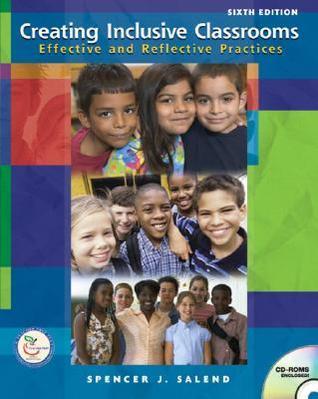
SEL for Students with Special Needs: Practical Strategies for inclusive Classrooms
Social-Emotional Learning (SEL) is essential for every learner, but it becomes especially crucial in inclusive classrooms where students with special needs are present. As educators strive toward inclusive education, integrating effective SEL strategies can transform classroom culture, boost academic performance, and empower every learner to thrive. This guide explores actionable and research-backed approaches to implementing SEL for students with special needs, ensuring no child is left behind.
Why Is SEL Crucial for Students with Special Needs?
For students with disabilities—including autism spectrum disorder, ADHD, learning disabilities, or emotional disturbances—developing social-emotional skills is frequently enough a key part of their Individualized Education Programs (IEPs). SEL addresses self-awareness, self-management, social awareness, relationship skills, and responsible decision-making. When woven into daily instruction, SEL creates a safe and supportive learning habitat, laying the foundation for academic and personal success.
Key Benefits of SEL for Students with Special Needs
- Improved Emotional Regulation: SEL tools help students recognise and manage their emotions effectively.
- Enhanced Social Skills: Students learn to communicate, collaborate, and resolve conflicts with peers and adults.
- Greater Inclusion: SEL fosters empathy and understanding, minimizing bullying and exclusion.
- Academic Gains: A positive classroom climate improves engagement and learning outcomes.
- Strengthened Self-Advocacy: Students learn to express their needs and advocate for themselves respectfully.
Core Principles of Inclusive SEL Programs
Implementing SEL for students with special needs requires intentional planning and sensitivity. All activities and lessons should be:
- Accessible: Materials should be presented in multiple formats (visual, auditory, tactile).
- Culturally Responsive: Recognize and respect the diverse backgrounds of all students.
- Individualized: Tailor interventions to align with IEP goals and unique student profiles.
- Consistent: SEL strategies should be reinforced throughout the day, across subjects and settings.
Practical Strategies for Supporting SEL in Inclusive Classrooms
Ready to start? Let’s look at classroom-tested SEL strategies that make a difference for students with special needs:
1.Visual Supports and social Stories
Visual cues—such as charts, emotion thermometers, or picture schedules—help students process expectations, routines, and appropriate responses. Social stories are short narratives that model desired social behaviors,providing students with explicit guides on how to navigate interactions.
- Create daily routine charts with icons.
- Use illustrated scripts for common scenarios (asking for help,joining a group,resolving a conflict).
2. Explicit Social Skills Instruction
Many students with special needs benefit from direct teaching of social skills, such as making eye contact, listening actively, or reading body language. Break skills into manageable steps and provide plenty of modeling and role-play opportunities.
- Incorporate weekly SEL lessons focused on communication.
- Practice role plays and offer immediate,specific feedback.
3. Collaborative Learning and Peer Buddies
Pairing students with supportive peers not only fosters friendships but also reinforces SEL concepts in natural, everyday interactions. peer buddies can model positive behaviors and help facilitate group activities, ensuring students with special needs remain engaged and included.
- Organize mixed-ability small groups for projects.
- Develop buddy systems for transitions or recess.
4. Emotion Regulation Tools and Calming Spaces
Teaching students to identify and regulate their emotions is critical in inclusive classrooms. Offer sensory tools (fidgets, stress balls, or weighted blankets) and designate quiet spaces where students can self-regulate if overwhelmed.
- Add a “calm corner” with soft seating and sensory items.
- Use a feelings chart for daily check-ins.
5. Family-School Collaboration
Build strong partnerships with families to reinforce social-emotional skills at home. Share SEL goals, strategies, and resources regularly, and encourage parents to contribute insights about their child’s strengths and challenges.
- Send home SEL newsletters and activity suggestions.
- Invite families to participate in SEL workshops or parent-teacher meetings.
Personal Experience: SEL in Action
In my work with a third-grade inclusive classroom, I saw the reality of effective SEL firsthand. One student, Ella, who was diagnosed with autism, struggled with transitions and group work. through individualized visual supports, frequent emotion check-ins, and structured peer interactions, Ella developed more confidence in expressing her feelings and participating in class activities. Her classmates, aware of her unique needs, practiced empathy and learned valuable life skills to. This story reflects the transformative power of intentional SEL strategies in creating a community where all students can succeed.
Case Study: Implementing SEL for Diverse Learners
At Roosevelt Elementary, teachers piloted a comprehensive SEL program tailored for special education and inclusion classrooms. With ongoing professional development, the school implemented:
- weekly social-emotional skills lessons for all students.
- Embedded visuals and sensory breaks throughout the day.
- Collaboration with speech and occupational therapists.
- Regular progress-monitoring, shared with families.
Results were profound: behavioral referrals dropped by 40%, and students with special needs reported feeling more connected and supported by their peers and teachers. Teachers noted increased cooperation, empathy, and resilience all around.
Tips for Creating an Inclusive SEL Environment
- Use Person-First Language: Emphasize the student, not the disability (“student with autism,” not “autistic student”).
- Foster a Growth Mindset: Celebrate progress, effort, and perseverance.
- Be Patient and flexible: Recognize that SEL skill-building takes time and setbacks are part of the process.
- Incorporate Student Voice: Let students help led SEL activities or suggest topics for discussion.
- Celebrate Diversity: Highlight the strengths and unique perspectives each student brings.
Conclusion: Building Inclusive Classrooms Through SEL
Social-Emotional Learning is not a one-size-fits-all solution. For students with special needs, well-designed SEL strategies are the cornerstone of meaningful inclusion and lifelong success. By integrating visual supports, explicit instruction, collaborative learning, and family engagement, educators can create classrooms where every child’s social and emotional growth is supported. When SEL becomes part of the everyday classroom culture,students—nonetheless of ability—develop the confidence,resilience,and empathy they need to flourish.
Ready to take the next step? Start by integrating one new SEL strategy in your inclusive classroom this week, and watch the positive impact unfold for all your students.