
SEL for Students with Special needs: Proven Strategies for Inclusive Social-Emotional Learning
Social-Emotional Learning (SEL) plays a vital role in the holistic development of every child. For students with special needs, inclusive SEL programs are not just crucial—they are transformative. In today’s classroom, educators and parents alike are seeking practical, proven methods to foster emotional intelligence, resilience, and healthy relationships among all students, irrespective of their abilities or challenges.
This thorough guide explores the essentials of SEL for students with special needs, providing actionable strategies, tips, benefits, and real-world examples to create truly inclusive learning environments.
What Is social-Emotional Learning (SEL)?
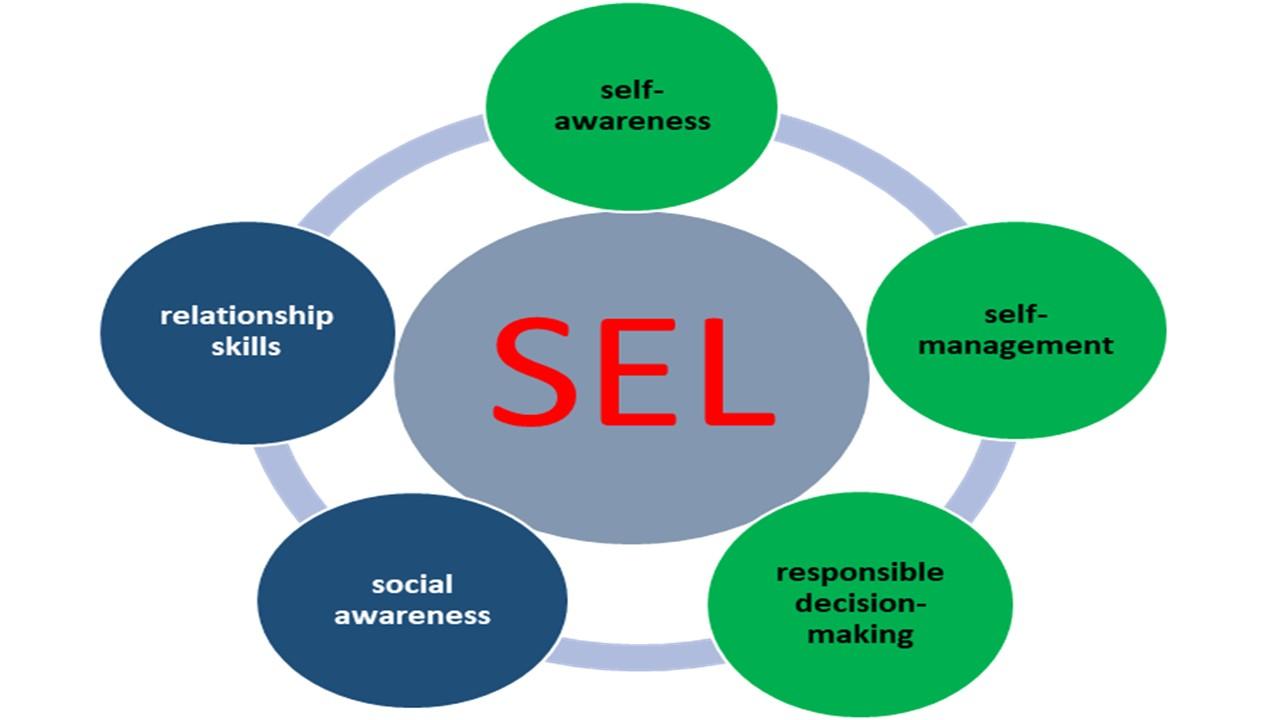
SEL refers to a set of skills and processes that help students manage emotions, build healthy relationships, make responsible decisions, and navigate social complexities. Core SEL competencies include:
- Self-awareness
- Self-management
- Social awareness
- Relationship skills
- Responsible decision-making
When effectively integrated, social-emotional learning supports academic achievement, psychological well-being, and safe classroom communities for all learners.
Why Is SEL So Important for Students with Special Needs?
Students with special needs—such as those with autism spectrum disorder, ADHD, learning disabilities, or sensory impairments—often encounter unique challenges in processing emotions, building relationships, and adapting to social situations. Inclusive SEL helps:
- Build confidence and self-advocacy skills
- Reduce behavioral issues and conflict
- Support interaction and emotional regulation
- Encourage empathy and social understanding among peers
- Improve classroom engagement and academic outcomes
Key Benefits of Inclusive SEL Programs
Implementing SEL in special education settings offers powerful benefits that extend far beyond the classroom:
- Improved Emotional Regulation: Students learn to identify and manage feelings, reducing anxiety and frustration.
- Enhanced Social Skills: SEL fosters respectful communication, cooperative play, and team-building.
- Positive Behavior Support: Students develop coping mechanisms and alternatives to challenging behaviors.
- Greater Peer Acceptance: Inclusive strategies promote understanding, empathy, and partnerships among diverse learners.
- Academic Resilience: Social-emotional competence is linked to greater motivation, persistence, and performance in schoolwork.
Studies have shown that integrating SEL can yield a positive ROI in any educational surroundings, with especially strong outcomes for students with special needs.
Proven Strategies for inclusive Social-Emotional Learning
Creating an environment where SEL flourishes for students with special needs requires thoughtful planning, evidence-based practices, and a spirit of collaboration. Here are proven strategies educators and caregivers can implement:
1. Universal Design for Learning (UDL)
UDL is an instructional approach that provides multiple means of engagement, portrayal, and expression for all students. For inclusive SEL:
- Use visual aids, social stories, and role-playing to teach SEL concepts.
- Offer choices in activities and ways for students to communicate their feelings.
- Adapt materials to meet sensory and language needs.
2. Structured Routines and predictable Environments
Consistent schedules and clear expectations are critical for students who thrive on routine. Strategies include:
- Implement daily check-ins or morning meetings for SEL reflection.
- Use visual schedules and cues to reinforce transitions.
- Set up sensory-friendly spaces for self-calming or regrouping.
3. Explicit SEL Instruction
Teaching social-emotional skills directly helps bridge knowledge gaps. Consider:
- Using language and examples tailored to diverse abilities.
- Breaking down complex SEL concepts into manageable, bite-sized lessons.
- Reinforcing learning with repetition, modeling, and scaffolded practice.
4. small Group and Peer-Based Activities
students with special needs often benefit from guided group experiences:
- Pair students for cooperative tasks or partner reading.
- Use peer mentors or buddies to foster inclusion and social modeling.
- Facilitate social games that encourage turn-taking and sharing.
5. Family and Community Engagement
SEL is most effective when extended beyond the classroom. Strengthen support by:
- involving families in SEL goal-setting and activities.
- Sharing resources and strategies for practicing SEL at home.
- Connecting with local organizations that offer SEL-based programming.
6. Responsive and Trauma-Informed Approaches
Many students with special needs have experienced adversity or trauma. Responsive SEL means:
- Creating safe, caring relationships with students.
- responding empathetically to behavioral outbursts or withdrawal.
- Integrating mindfulness and self-calming activities tailored to individual needs.
Practical Tips to Enhance SEL for Students with Special Needs
- Leverage Technology: Use SEL apps with customizable settings for accessibility.
- Celebrate Small Wins: Acknowledge growth in emotional or social skills with praise or rewards.
- Differentiate Instruction: Tailor SEL lessons to accommodate diverse learning styles and abilities.
- Build Trust: Be patient and consistent; relationships are the foundation of effective SEL.
- Provide Opportunities for Choice: Invite students to select the SEL activities they feel comfortable participating in.
Case Studies and First-Hand Experiences
The Success of Circle Time in Integrated Classrooms
At Maplewood Elementary, educators combined circle time and emotion stories for K–2 students with varying abilities. By using visual props, emotion faces, and routine sharing, students with speech and language impairments actively participated, made friends, and learned to self-advocate. Peer mentors played a crucial role in modeling positive social behaviors and supporting inclusive group activities.
Family Collaboration Yields Breakthroughs
One middle school teacher partnered with families of students on the autism spectrum to design SEL goals that reflected both school and home experiences. Through regular communication, social stories, and shared feedback, students gained confidence, improved self-regulation, and formed lasting relationships beyond the classroom walls.
Using Mindfulness to Support Emotional Regulation
In a district-wide pilot program, schools introduced short mindfulness breaks between transitions. Students with ADHD and sensory processing disorder used breathing techniques, tactile toys, and calming visualizations to manage stress and refocus attention. Teachers reported notable reductions in disruptive behaviors and greater academic persistence.
Challenges in Implementing SEL for Students with Special Needs
- limited training or resources for inclusive SEL curriculum.
- Difficulty differentiating SEL lessons across a wide range of abilities.
- Struggles with assessing SEL progress in nontraditional ways.
- Need for better family engagement and support structures.
continuous professional development, collaboration, and adaptive tools are key to overcoming these barriers.
Conclusion: Building Brighter Futures Through Inclusive SEL
SEL for students with special needs is not a one-size-fits-all solution—it’s a journey that requires compassion, creativity, and commitment. Inclusive social-emotional learning empowers every child to reach their fullest potential, fostering a culture where differences are celebrated and strengths shine.
By embracing universal design,structured routines,explicit instruction,family engagement,and trauma-informed practices,educators and families can create nurturing environments where students with special needs thrive socially,emotionally,and academically.
Additional Resources
- Collaborative for Academic, Social, and Emotional Learning (CASEL) – Leading SEL research and guidance.
- specialed Connection – Resources for educators supporting students with special needs.
- Understood.org – Tips for parents and teachers on learning and attention issues.