
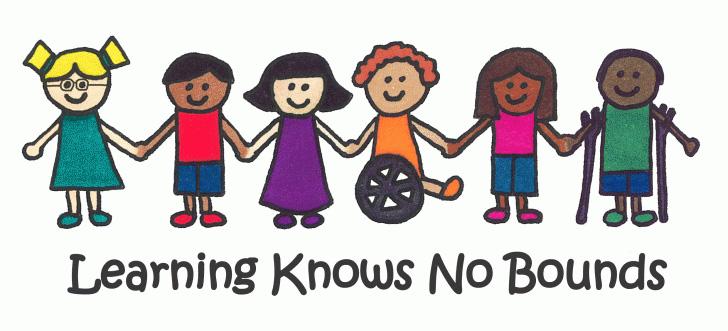
SEL for Students with Special Needs: Strategies and Benefits for Inclusive Education
In today’s diverse classrooms, inclusive education is not just a philosophy – it’s a guiding principle. one of the most powerful tools to foster an inclusive environment is Social-Emotional Learning (SEL). For students with special needs, SEL strategies are especially critical, supporting both academic success and personal growth. In this article, we’ll explore what SEL is, why it matters for students with special needs, and how teachers can implement effective SEL strategies for inclusive education.
What Is Social-Emotional Learning (SEL)?
Social-Emotional Learning (SEL) is the process through which students develop the knowledge, attitudes, and skills necesary to understand and manage emotions, set goals, establish positive relationships, and make responsible decisions. SEL competencies are typically grouped into five key areas:
- Self-awareness
- Self-management
- Social awareness
- Relationship skills
- Responsible decision-making
While SEL benefits all students, those with special needs—including learning disabilities, autism spectrum disorders, ADHD, and emotional or behavioral disorders—often require tailored approaches for optimal growth.
Why SEL Is Crucial for Students with Special Needs
Students with special needs frequently face unique challenges, including difficulties with emotional regulation, social interaction, and adapting to change. These can make academic learning and peer relationships more complex. SEL provides a structured framework to help them navigate these challenges.
- Improved emotional regulation: SEL helps students understand and express their feelings appropriately.
- Enhanced social interactions: Students learn to build and sustain positive relationships with peers and adults.
- Increased self-confidence: SEL activities foster self-efficacy and a sense of belonging in inclusive classrooms.
- Better learning outcomes: Positive emotions and strong relationships contribute to greater engagement and academic achievement.
- Reduced behavioral issues: SEL has been shown to decrease disruptions and conflicts within inclusive settings.
key Benefits of SEL in Inclusive Education
Integrating SEL into inclusive classrooms offers a wide range of benefits for both students with special needs and their peers.
- Promotes Acceptance and Empathy: By teaching empathy and celebrating differences,SEL creates a more accepting and compassionate classroom culture.
- personalized Support: SEL frameworks can be adapted to meet individual learning styles, ensuring every student’s emotional and social needs are addressed.
- Collaborative Skills: SEL activities encourage teamwork, active listening, and communication, preparing students for real-world interactions.
- Behavioral Improvements: Students are taught coping strategies and conflict-resolution skills, reducing the frequency of behavioral challenges.
Effective SEL Strategies for Students with Special needs
Implementing SEL for students with special needs requires thoughtful planning and a variety of instructional approaches. Here are research-backed strategiesfor inclusive classrooms:
1. Individualized Instruction
- Adapt SEL activities to reflect each student’s abilities and learning preferences.
- Use visual schedules, social stories, and role-playing to clarify routines and expectations.
- Collaborate with special educators, therapists, and families to ensure consistency.
2. explicit Teaching and Modeling
- Teach SEL skills directly through lessons, discussions, and real-life practice.
- Model desired social behaviors and provide opportunities for students to observe adults and peers demonstrating these skills.
3.Use of Assistive Technology
- Leverage apps and digital tools designed for SEL, such as emotion-identification games or communication aids.
- Provide alternative communication systems for non-verbal students or those with language delays.
4. Positive Reinforcement and Feedback
- Recognize and reward positive social and emotional behaviors to reinforce progress.
- Offer immediate, clear feedback to guide students through emotional challenges.
5. Safe and Supportive Environment
- Create sensory-friendly spaces within the classroom.
- Clearly establish routines and expectations to reduce anxiety.
- Encourage peer buddies or small group work to promote social inclusion.
6. Integrating SEL into Academic Curriculum
- Embed SEL concepts into subjects like literature, art, and physical education.
- Use stories and scenarios that reflect diverse abilities and experiences.
Practical Tips to Foster SEL for Students with Special Needs
- Develop Personalized SEL Goals: work with families and specialists to set realistic, measurable goals aligned with Individualized Education Programs (IEPs).
- Maintain Consistency: Reinforce SEL skills at school and at home to generalize learning across settings.
- Encourage Peer Support: Implement peer-mediated interventions and cooperative learning activities.
- Utilize Visual Aids and Social Scripts: Support understanding through pictures,charts,and scripted dialogues for social scenarios.
- Facilitate Regular Check-Ins: Provide opportunities for students to express their feelings and concerns through “emotion check-ins” or journals.
case Studies and First-Hand Experiences
Case Study: SEL for Autism Spectrum students
Mrs.Garcia, a special education teacher, integrated SEL interventions tailored for her students on the autism spectrum. By using emotion cards and daily morning circles, she observed important improvements in self-awareness and peer interactions. One student,who previously struggled with expressing frustration,learned to use a “feelings chart” to communicate his emotions,reducing meltdowns and building positive relationships.
Testimonial from an Inclusive Classroom
“Integrating SEL into our routine helped my students with ADHD improve focus and self-control. Group activities and mindful breathing exercises made a huge difference. It wasn’t just my students with special needs who benefited—the whole class became more empathetic and supportive.”
— John T., 4th Grade Teacher
Overcoming Common Challenges in SEL Implementation
While the benefits of SEL are clear, educators may encounter obstacles such as limited resources, time constraints, or lack of training. Here are some ways to overcome these challenges:
- Commit to Ongoing Professional growth: Seek out SEL workshops, webinars, and certification programs focused on special education.
- Leverage Community and Online Resources: Utilize free SEL toolkits, videos, and curriculum offered by reputable organizations.
- Involve Families: Share strategies and progress with caregivers to reinforce SEL skills at home.
- Start Small and Build: Introduce one or two SEL practices at a time, expanding as comfort and capacity grow.
Conclusion: Creating Truly Inclusive Classrooms Through SEL
SEL for students with special needs is essential to building classrooms where every learner feels seen, supported, and empowered. By embracing inclusive SEL strategies, educators foster not only academic success but emotional and social well-being. The journey requires patience, creativity, and collaboration, but the rewards—a more harmonious, inclusive, and resilient school community—are well worth the effort.Begin implementing these SEL strategies today to unlock brighter futures for all students, irrespective of their abilities.