
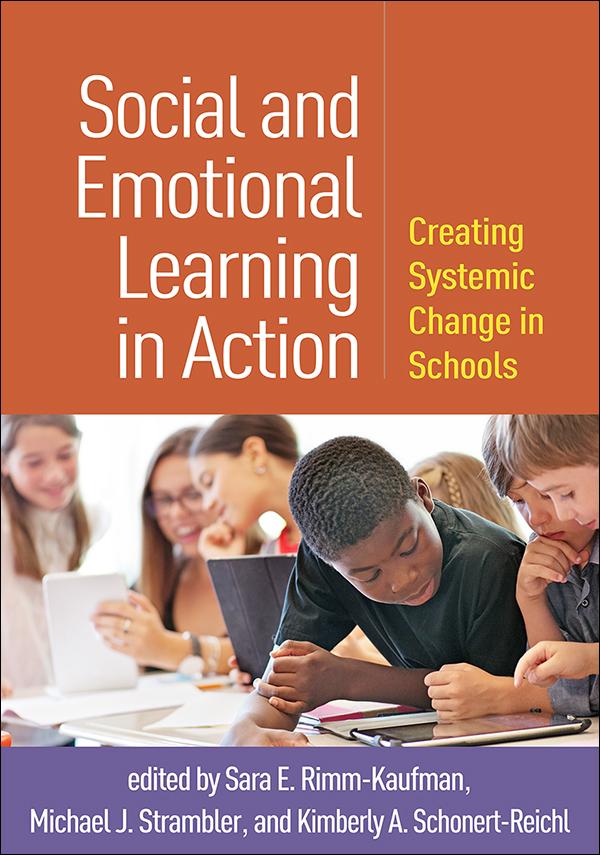
SEL for Students with Special Needs: Strategies for Effective Social Emotional Learning
Social Emotional Learning (SEL) is an essential component in fostering well-being, academic achievement, and positive behavior for all students. However, integrating SEL for students with special needs requires thoughtful adaptation to suit diverse learning profiles. This comprehensive guide explores practical strategies, benefits, and success stories to empower educators, parents, and caregivers in creating an inclusive SEL environment were every child can thrive.
what is Social Emotional Learning (SEL)?
social Emotional Learning refers to the process by which children and adults acquire and effectively apply knowledge, skills, and attitudes to understand and manage emotions, set goals, show empathy, maintain relationships, and make responsible decisions.SEL is recognized as a critical factor in lifelong success.
- Self-Awareness: Recognizing one’s emotions,strengths,and limitations.
- Self-Management: Regulating emotions, thoughts, and behaviors.
- Social Awareness: Empathizing and understanding diverse perspectives.
- Relationship Skills: Communicating, cooperating, and resolving conflicts.
- Responsible Decision-Making: Making ethical, constructive choices.
Why SEL is Critical for Students with Special Needs
Students with disabilities, including those on the autism spectrum, with ADHD, or learning challenges, frequently enough face unique obstacles in social interaction, self-regulation, and emotional understanding. Targeted SEL strategies for students with special needs help bridge these gaps and ensure equal opportunities for developing life skills.
- Enhances communication and social integration
- Reduces behavioral issues and emotional distress
- Builds resilience,self-confidence,and self-advocacy
- Promotes a positive,respectful classroom environment
- Enables successful transition to adulthood
Key Challenges in Implementing SEL for Special Needs Students
While SEL brings tremendous benefits,it demands a nuanced approach when working with children requiring special support. Educators and caregivers must navigate:
- Communication barriers (verbal and nonverbal)
- Diverse cognitive profiles and learning styles
- Behavioral and sensory sensitivities
- lack of tailored SEL materials and resources
- Limited staff training on inclusive SEL practices
Effective Strategies for Social Emotional Learning for Students with Special Needs
To foster successful social emotional learning for students with disabilities, consider integrating the following evidence-based strategies:
1. Individualized SEL Planning
- Integrate SEL goals into Individualized Education Programs (IEPs)
- Track progress using personalized benchmarks
- Involve families and specialists in goal-setting
2. Visual Supports and Social Stories
- Utilize visual charts, emotion cards, and pictorial schedules
- Create social stories to illustrate appropriate social responses and routines
- Use multimedia (videos, apps) to reinforce concepts
3. Modeling and Role-Playing
- Demonstrate appropriate social interactions in various situations
- Engage students in role-playing games to practice empathy and problem-solving
- Offer guided peer-to-peer interactions
4. Explicit Teaching & Repetition
- Clearly explain social-emotional concepts using concrete examples
- Break lessons into manageable steps
- Practice skills regularly to reinforce learning
5. Mindfulness and Sensory Regulation Activities
- Integrate breathing exercises, guided imagery, and yoga
- Provide sensory breaks and calm-down spaces in the classroom
- Teach identification and management of stress triggers
6. Flexible, Multisensory Instruction
- Combine audio, visual, tactile, and kinesthetic activities
- Adapt lessons to suit various learning preferences
- Use assistive technology where needed
7. Promote Positive peer Relationships
- Form “buddy” systems or peer mentoring programs
- Facilitate cooperative group work with clear roles
- celebrate diversity and inclusivity in classroom culture
Practical Tips for Teachers and Parents
- Start with strengths: Build on what the student can do, not just areas for improvement.
- Maintain consistency: Use familiar routines and SEL language both at school and home.
- be patient and flexible: Progress may be gradual; tailor strategies as needed.
- Collaborate frequently: Regular communication between educators, therapists, and families maximizes success.
- Cultivate a growth mindset: Encourage students to see challenges as opportunities for learning and growth.
Real-Life Case Study: SEL in an Inclusive Classroom
At a public elementary school, educators embraced SEL for a class with multiple students diagnosed with autism spectrum disorder (ASD) and ADHD. By introducing daily morning meetings centered on emotions, visual schedules, and frequent sensory breaks, teachers noted:
- Improved emotional vocabulary and expression
- Decreased disruptive behaviors by 37% over six months
- Greater peer involvement and empathy
- Positive feedback from families on smoother transitions to home environments
This experience demonstrates that SEL for students with special needs not only enhances social-emotional competence, but also fosters greater inclusion and academic engagement for all.
First-Hand Experiences: Voices from the field
“My son started using emotion cards at home and now tells us when he needs a break or feels upset. SEL made family communication so much easier!”
— Parent of a child with ADHD
“Role-playing scenarios helped my students understand nonverbal cues and improve their friendships. they love being the ‘teacher’ during these activities!”
— Special Education Teacher
Resources to Support SEL for Students with Disabilities
- CASEL (Collaborative for Academic, Social, and Emotional Learning)
- Autism Speaks — Social Skills Resources
- Understood.org — Tools for Diverse learners
- Common Sense Education — SEL Apps & Games
Conclusion: Building a More Inclusive Future with SEL
Implementing SEL for students with special needs is not only possible—it’s transformative. when educators and families commit to adapting SEL strategies for individual learners, they unlock a world of confidence, empathy, and success. By nurturing these crucial life skills, we empower students of all abilities to flourish in school and beyond.
Remember, inclusion begins with understanding—and every step toward effective social emotional learning is a step toward a brighter, more compassionate future.