
SEL for Students with Special Needs: Strategies for Effective Social-emotional Learning
Social-Emotional Learning (SEL) is an essential component of holistic education, nurturing not only academic growth but also the emotional well-being and social competence of all students. However,when it comes to SEL for students with special needs,educators,caregivers,and parents face unique challenges and unbelievable opportunities. in this article, we explore complete, evidence-based strategies to make SEL more accessible, meaningful, and effective for students with special needs. From practical tips to inspiring case studies, let’s unlock the power of inclusive social-emotional learning.
What is Social-Emotional Learning (SEL)?
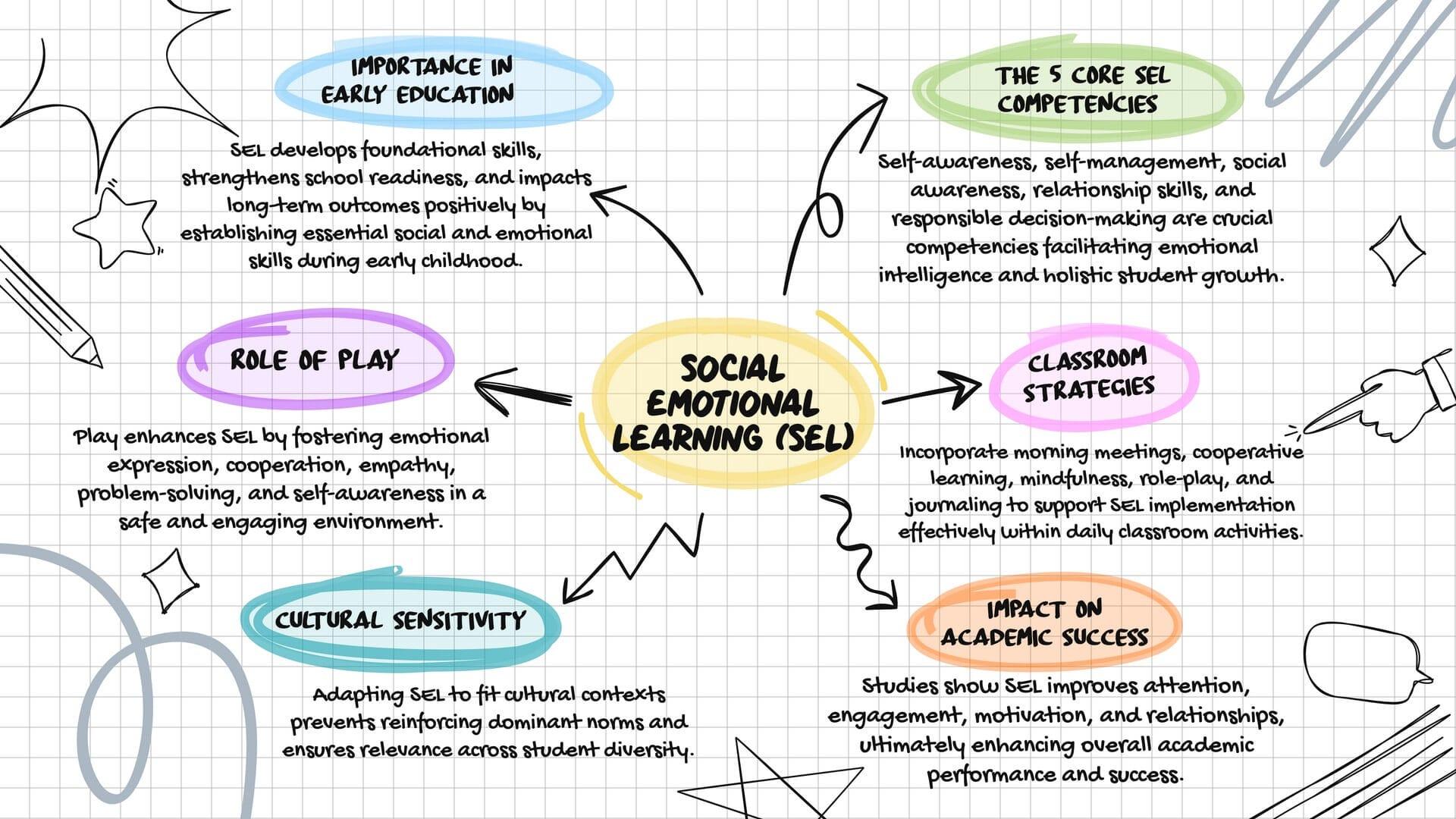
social-Emotional learning is the process through which individuals acquire and effectively apply the knowledge,attitudes,and skills necessary to:
- Understand and manage emotions
- Set and achieve positive goals
- feel and show empathy for others
- Establish and maintain positive relationships
- Make responsible decisions
These skills are critical for success in school,work,and life.For students with special needs, tailored SEL approaches can definitely help address challenges related to communication, self-regulation, social interaction, and emotional understanding.
Why is SEL Important for Students with Special Needs?
Students with disabilities, neurodiverse learners, and children experiencing behavioral or emotional difficulties may face additional barriers to social and emotional growth. SEL programs, when thoughtfully adapted, offer numerous benefits:
- Improved Self-Awareness: Helps students recognize and label their emotions, fostering confidence and self-esteem.
- Better Emotional Regulation: Supports students in managing anxiety, frustration, and sensory overload.
- enhanced Relationships: Builds stronger peer connections and positive interactions with adults.
- Increased Academic Performance: Research links effective SEL with better school performance and attendance.
- Greater Independence: Equips students with problem-solving and decision-making skills vital for autonomy.
Challenges in Implementing SEL for Students with Special Needs
Inclusive SEL is not without hurdles. Students with special needs might struggle with:
- Understanding abstract social concepts
- Expressing emotions verbally
- Processing sensory input
- Generalizing learned skills across contexts
- Building social connections
Addressing these challenges requires creativity, patience, and a flexible, individualized approach.
Evidence-Based Strategies for Effective SEL with Special Needs Students
To create impactful social-emotional learning experiences for students with special needs, educators and families can draw upon a range of strategies. Here are proven approaches:
1. Individualized SEL goals
- Collaborate with therapists, special education staff, and families to set realistic, personalized SEL goals.
- Embed social-emotional objectives into Individualized education Plans (IEPs).
- Monitor progress regularly and adjust interventions as needed.
2.Visual Supports and Social Stories
- Use pictorial cues,emotion charts,and visual schedules to reinforce SEL concepts.
- Social stories can illustrate appropriate responses to emotions and social situations.
- Visual aids support comprehension for students with autism, speech and language difficulties, or cognitive impairments.
3. Role-Playing and Modeling
- Implement role-playing activities to practice real-life scenarios, such as making friends, solving conflicts, or asking for help.
- Teachers and peers can model appropriate emotional reactions and social interactions.
4. Multi-Sensory Approaches
- Utilize music, movement, tactile games, and technology to engage diverse learning styles and sensory needs.
- Incorporate fidget tools, calming corners, and breathing exercises for emotional self-regulation.
5. Consistency and Structure
- Maintain predictable routines and clear expectations—crucial for students who thrive on structure.
- Use consistent SEL language and reinforcement across home and school environments.
6. Inclusive Group Activities
- Foster peer interaction through cooperative games,partner projects,and inclusive extracurriculars.
- promote empathy and understanding among all students by teaching about diversity, acceptance, and respect.
7. Family and Community Engagement
- Involve families in SEL planning and skill-building at home (e.g., daily check-ins, sharing SEL stories).
- Leverage community resources, such as social groups, therapy animals, or local support networks.
Real-World Case Study: SEL Success in a Special Needs Classroom
At sunny Valley Elementary, a mixed-grade classroom for students with moderate intellectual disabilities implemented a structured SEL curriculum. Strategies included:
- Daily emotional check-ins using a color-coded mood chart
- Weekly social stories focusing on friendship or empathy
- group mindfulness activities using sensory objects
Results: Within weeks, teachers observed:
- Fewer behavioral outbursts and smoother class transitions
- Greater student participation in group discussions
- Increased use of “I feel” statements and requests for help
“Our students began recognizing their emotions and seeking out appropriate coping strategies,” said Ms.Ramirez,a special education teacher. “Parents noticed calmer, happier children at home too.”
Frist-Hand Experience: A Parent’s Viewpoint
“My son has autism and found it difficult to communicate when he was anxious. The school counselor introduced an emotion card system and relaxation techniques.For the first time, my son could tell me when he was scared or overwhelmed. It’s changed the way we support him both at home and at school.” – lisa T., parent
Practical Tips for SEL Implementation
Here are simple, actionable tips to integrate effective SEL strategies for special needs students in everyday practice:
- Start small: Introduce one SEL skill at a time and build from there.
- Use positive reinforcement: celebrate every success, however minor, to encourage new skills.
- Practice patience: Remember that progress might be gradual—everyone learns at their own pace.
- Encourage collaboration: Work closely with specialists, families, and, where appropriate, the students themselves.
- Embrace flexibility: Be ready to adapt materials, approaches, and environments based on changing student needs.
- Document progress: Keep a log of strategies and outcomes to inform future SEL goals.
Conclusion: Empowering Every Student Through inclusive SEL
Social-Emotional learning is not a one-size-fits-all curriculum, especially for students with special needs. By adapting SEL strategies to meet diverse abilities and learning styles, educators and families create classrooms where every child feels understood, supported, and empowered to thrive—academically and emotionally. Whether you’re an educator, a parent, or a support professional, integrating these approaches can help all students build the lifelong social-emotional skills thay need to succeed.
By prioritizing SEL for students with special needs, we foster a more compassionate, inclusive, and capable future for everyone.