
SEL for Students with Special Needs: Strategies for Inclusive Social-Emotional Learning Success
Social-emotional learning (SEL) has gained meaningful recognition as a cornerstone of educational success. But how can schools ensure that their SEL initiatives are truly inclusive for students with special needs? In this comprehensive guide, we’ll explore practical strategies, evidence-based approaches, and authentic case studies for implementing SEL for students with special needs. Whether your a teacher,counselor,administrator,or parent,this article will help you foster an surroundings where every child can thrive emotionally and socially.
Understanding SEL and Its Importance for Students with Special needs
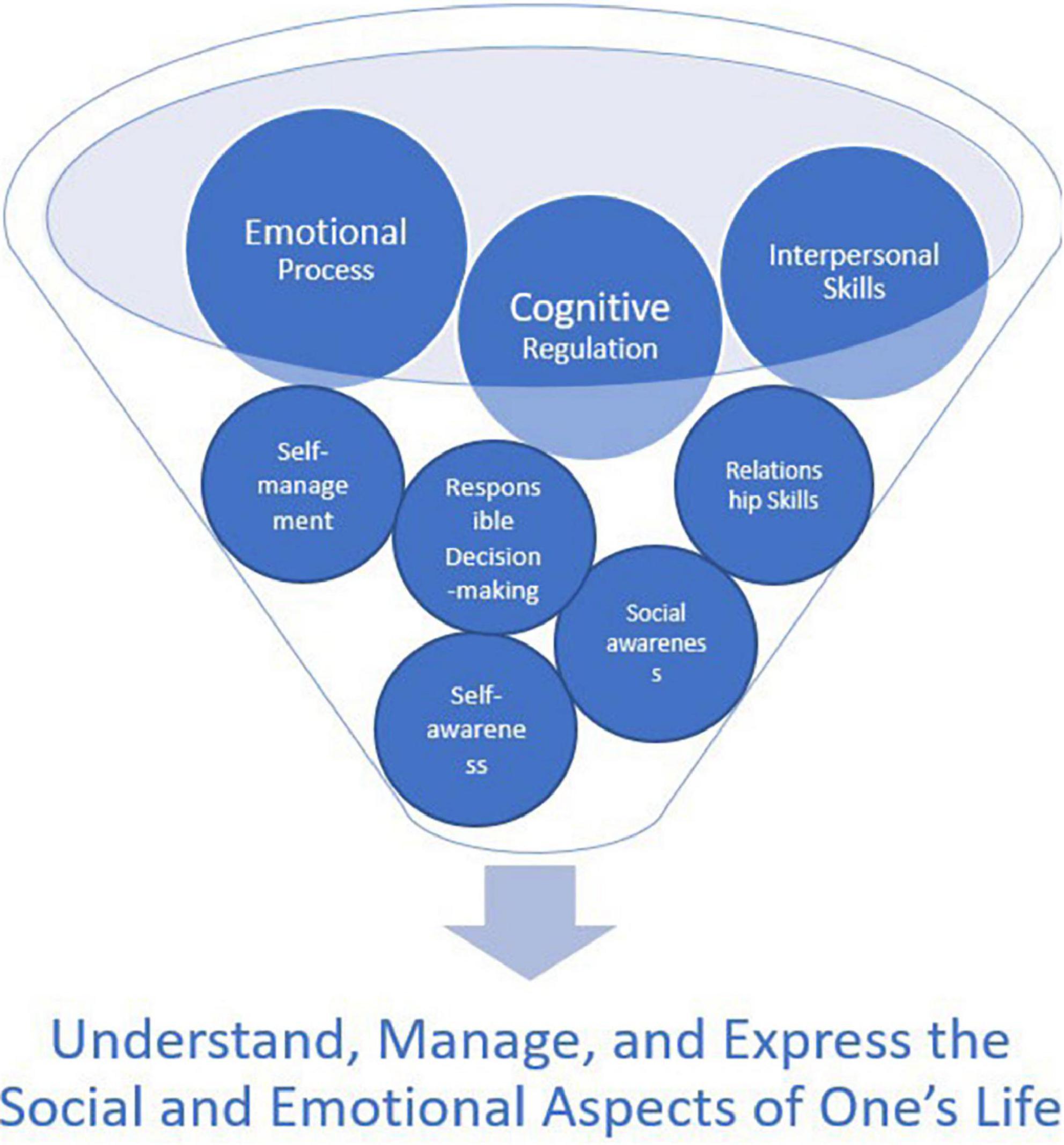
Social-emotional learning involves developing competencies such as self-awareness, self-management, social awareness, relationship skills, and responsible decision-making. For students with special needs—including those with autism spectrum disorder (ASD), ADHD, learning disabilities, emotional and behavioral disorders, and physical or sensory impairments—SEL can present unique challenges and opportunities.
- Increased empathy and inclusion: SEL helps all students understand and value diversity, creating a more welcoming school climate.
- Improved behavioral outcomes: Students learn self-regulation, reducing disruptive incidents and increasing focus.
- Enhanced academic performance: Students with strong SEL skills are more engaged, motivated, and successful academically.
For students with special needs, tailored SEL instruction makes these crucial benefits more accessible, ensuring that every child has the support they need to flourish.
Key Challenges in SEL for Students with Special Needs
Inclusive SEL initiatives must account for the diverse learning profiles, communication styles, and behavioral expressions of special needs students. Key challenges educators face include:
- Communication barriers: some students may have limited verbal skills or use choice communication methods.
- Sensory processing issues: Sensitivities to light, sound, or touch can impact SEL participation.
- Executive functioning deficits: Difficulties with impulse control, organization, and emotional regulation may hinder social interactions.
- Social skill gaps: Some students struggle with reading social cues, making friends, or understanding perspective-taking.
Understanding these challenges is the first step toward effective and inclusive social-emotional learning strategies.
Inclusive strategies for SEL Success
With thoughtful planning and the right approaches, educators can adapt SEL curricula to meet the unique needs of all learners. Here are proven strategies for inclusive social-emotional learning:
1.Use Worldwide Design for Learning (UDL) Principles
- Multiple means of engagement: incorporate visuals, audio, role-play, and digital tools to reach diverse learners.
- Flexible instruction: Allow students to express understanding through speaking, drawing, writing, or using assistive technology.
- Choice and autonomy: Offer different ways to participate, such as choosing partners or how to reflect on emotions.
2. Teach SEL Skills Explicitly and Systematically
- Break complex social-emotional skills into manageable steps.
- Use direct instruction, modeling, and repetition.
- Reinforce skills across settings and throughout the school day.
3. Embed Visual Supports and Social Stories
- Use picture schedules, emotion cards, and social narratives to clarify expectations and social norms.
- Prepare students for upcoming activities or changes to routine with visual supports.
4. Foster Peer Support and Collaboration
- Pair students for cooperative learning and SEL activities.
- Train all students in peer mediation and buddy systems to encourage friendships and mutual understanding.
5. Collaborate with Families and specialists
- Work closely with families, speech-language pathologists, occupational therapists, and counselors.
- Align SEL goals with Individualized Education programs (IEPs) and 504 plans.
6. Prioritize Consistency and Routine
- Predictable routines help students feel secure and understand social expectations.
- Build in regular SEL check-ins and calming techniques (breathing, movement breaks).
Practical Tips for SEL Implementation in Inclusive Classrooms
- Start small: Focus on a few SEL skills and gradually introduce more over time.
- Be flexible: Adapt lessons on the fly to respond to student needs and feedback.
- Incorporate real-life scenarios: Use situations relevant to students’ daily lives for greater engagement.
- Celebrate progress: Acknowledge growth, however small, with positive reinforcement and encouragement.
- Integrate technology where appropriate: Utilize apps and games designed for SEL and special needs.
Benefits of Inclusive SEL for Students with Special Needs
When SEL is made accessible for all students,the outcomes are profound:
- Stronger relationships: Students build trusting connections with peers and adults.
- Greater resilience: Children cope better with change, setbacks, and challenges.
- Positive self-identity: SEL supports self-advocacy and fosters pride in personal strengths.
- Long-term well-being: Emotional skills developed in school set the foundation for lifelong success.
Case Study: SEL in Action for Special Needs Learners
At Jefferson Elementary, educators noticed that students with ASD often felt isolated during recess. The school implemented a peer buddy program as part of its SEL curriculum. Older students were trained to support younger peers in initiating conversations and playing group games. Over a semester, playground conflicts dropped by 30%, and students with special needs reported feeling more connected to classmates.
“SEL is about more than just teaching skills; it’s about transforming the culture of our school so everyone feels they belong,” shared Principal Gomez.
First-hand Experience: Educator Insights
“I’ve seen nonverbal students blossom when given the right tools to express their emotions. With visual aids and consistent routines, our SEL lessons reach every child—and that inclusivity benefits the whole class.”
— Ruby L., Special Education Teacher
“Incorporating social-emotional learning for students with special needs is a journey, but the payoffs are amazing. students are kinder, more patient, and more self-aware.”
— chris M., School Counselor
Conclusion: Building an Inclusive Future with SEL
Implementing SEL for students with special needs is an essential step toward creating equitable, inclusive education for all. By embracing evidence-based strategies,collaborating with families and professionals,and celebrating every studentS progress,schools can cultivate a supportive environment where every learner thrives emotionally and socially.
Ready to bring inclusive social-emotional learning to your classroom? Start with small, consistent changes, stay patient, and remember—every step forward builds a brighter, more compassionate learning community.