
SEL for Students with Special Needs: Strategies to Support Inclusive Learning
Social-Emotional Learning (SEL) plays a vital role in supporting not onyl academic success but also the overall well-being of all students. For students with special needs, effective SEL strategies can make a transformative difference, fostering inclusion, resilience, and lifelong social skills.
Understanding SEL and Why It Matters in Inclusive Education
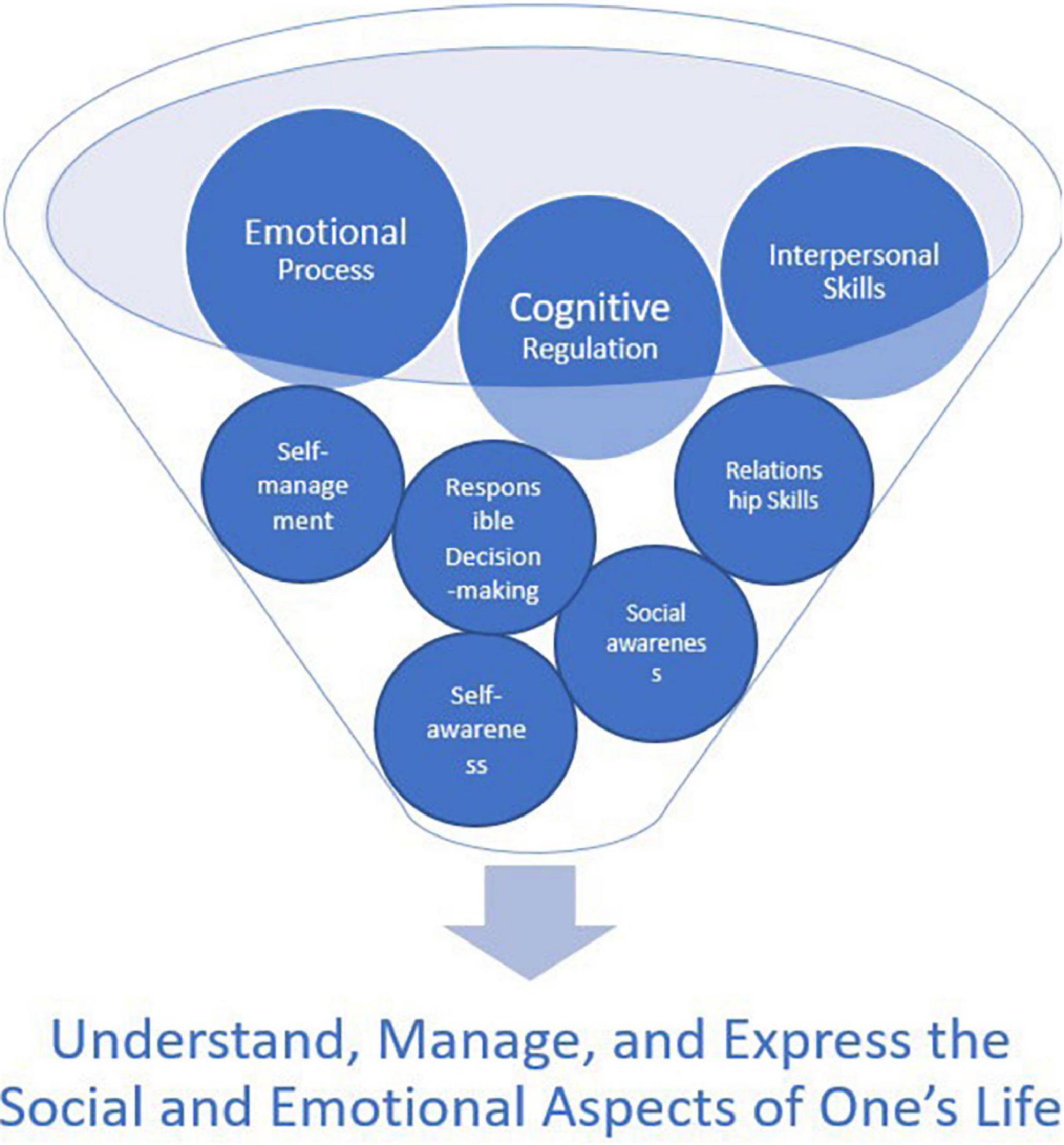
Social-Emotional Learning (SEL) refers to the process thru which individuals acquire and apply the knowledge, skills, and attitudes to develop healthy identities, manage emotions, establish supportive relationships, and make responsible decisions.While SEL is beneficial for every student, its impact is especially profound for students with special needs, including neurodiverse learners and those with disabilities.
- Enhances self-regulation and coping mechanisms
- Promotes communication and interpersonal skills
- Encourages a sense of belonging and inclusion
- Improves academic engagement and motivation
Embracing inclusive learning means providing equitable opportunities for every student to participate actively in the classroom. Integrating meaningful SEL strategies is a key factor in achieving this goal.
Key Benefits of SEL for Students with Special Needs
The benefits of SEL in inclusive classrooms extend far beyond social skills. Targeted strategies can help students with special needs thrive both academically and emotionally. Here are some major advantages:
- Improved Emotional Regulation: SEL helps students learn how to identify and manage their emotions appropriately, reducing anxiety and behavioral challenges.
- Stronger Peer Relationships: Inclusive SEL supports positive interaction and friendship-building, which can be particularly challenging for some students with special needs.
- Enhanced Communication Skills: Many SEL activities encourage both verbal and non-verbal communication, aiding students with speech or language difficulties.
- Increased Self-Esteem and Confidence: Recognizing strengths and celebrating unique abilities promotes self-worth and motivation.
- Higher Academic Performance: Emotionally supported students are better equipped to focus, participate, and reach academic milestones.
Practical SEL Strategies for Inclusive Learning
Implementing SEL for students with special needs requires intentional approaches tailored to diverse learning profiles. Here are proven strategies for supporting inclusive classrooms:
1. Explicit Teaching of Social Skills
- Break social-emotional concepts into concrete steps using visuals, modeling, and role-play.
- Practice self-introduction, sharing, turn-taking, and conflict resolution in small groups or pairs.
- Reinforce desired behaviors with positive feedback and consistent routines.
2. Use of Visual supports and Social stories
- Create visual schedules,emotion charts,and individualized social stories to help students anticipate and manage social situations.
- Use icons or pictures to represent feelings, actions, and classroom expectations.
3. Foster Collaborative Learning
- Pair students with different abilities for cooperative tasks, encouraging empathy and understanding.
- Design projects where every learner’s strengths contribute to group success.
4.Mindfulness Activities and Emotional Check-Ins
- Introduce calming techniques like breathing exercises, guided imagery, or quiet corners for self-regulation.
- Conduct regular emotional check-ins using “feelings charts” or short conversations.
5. Differentiated Instruction and Universal Design for Learning (UDL)
- Apply UDL principles, offering multiple means of engagement, representation, and expression.
- Adapt SEL lessons and activities to accommodate sensory, cognitive, or physical needs.
6. Family and Community Engagement
- Involve parents and caregivers in SEL initiatives, sharing strategies to reinforce skills at home.
- Leverage local resources and community organizations to enrich SEL offerings.
Case Studies: SEL success in Inclusive Classrooms
Real-world examples illustrate how strategic SEL implementation transforms learning environments for students with special needs.Here are two brief case studies:
Case Study 1: Social Stories for Emotional Regulation
At Smith Elementary,teachers noticed frequent meltdowns among students with autism during transitions. By introducing customized social stories and visual timetables,alongside daily emotional check-ins,these students learned to anticipate and express their feelings constructively. after several weeks, incidents of anxiety dropped significantly, and students became more resilient in adapting to routine changes.
Case Study 2: Peer Buddies and Cooperative Tasks
In a middle school classroom, a peer buddy system was implemented, pairing neurotypical students with those who had learning differences for joint SEL lessons and problem-solving games.This approach not only built stronger friendships but also created a supportive atmosphere, reducing stigma and encouraging greater participation from all students.
first-Hand Strategies: Insights from Educators and Parents
Direct input from teachers and families underscores the impact of SEL for special needs students. Here are some first-hand experiences:
- Adaptive Communication: One teacher shared that using communication boards dramatically improved engagement for non-verbal students during SEL activities, allowing them to express feelings and choices confidently.
- Role-Playing with Siblings: A parent noted that involving siblings in role-play games at home nurtured understanding and empathy, strengthening bonds beyond the classroom.
- Flexible Routines: Another educator highlighted the value of adjusting classroom routines for sensory-sensitive students, ensuring participation without overwhelming them.
Tips for Implementing SEL in Inclusive Learning Environments
If you’re an educator, administrator, or parent looking to enhance SEL for students with special needs, consider these actionable tips:
- Set Clear, Realistic Goals: Focus on achievable SEL milestones, adapting expectations to individual abilities.
- Leverage Technology: Use apps and software designed for SEL, many of which offer tailored supports for diverse learners.
- Provide Professional Progress: Offer ongoing training in SEL and inclusive practices for all staff.
- Celebrate Small Wins: Reinforce progress,recognizing every step toward social-emotional growth.
Conclusion: Building Inclusive, Emotionally Connected Classrooms
The power of SEL for students with special needs extends far beyond academic achievement—it fosters genuine inclusion, relationships, and lifelong skills that benefit everyone. By adopting targeted strategies, engaging families and communities, and tailoring approaches to individual strengths, educators can create classrooms where every learner feels valued and supported.
Ultimately, embedding SEL into inclusive learning is a journey of empathy, adaptation, and partnership. Whether you’re just beginning or expanding your commitment, the right strategies will unlock each child’s full potential and contribute to a culture of acceptance, growth, and emotional well-being.