
SEL for Students with Special Needs: Strategies to Support Social-Emotional Learning in Diverse classrooms
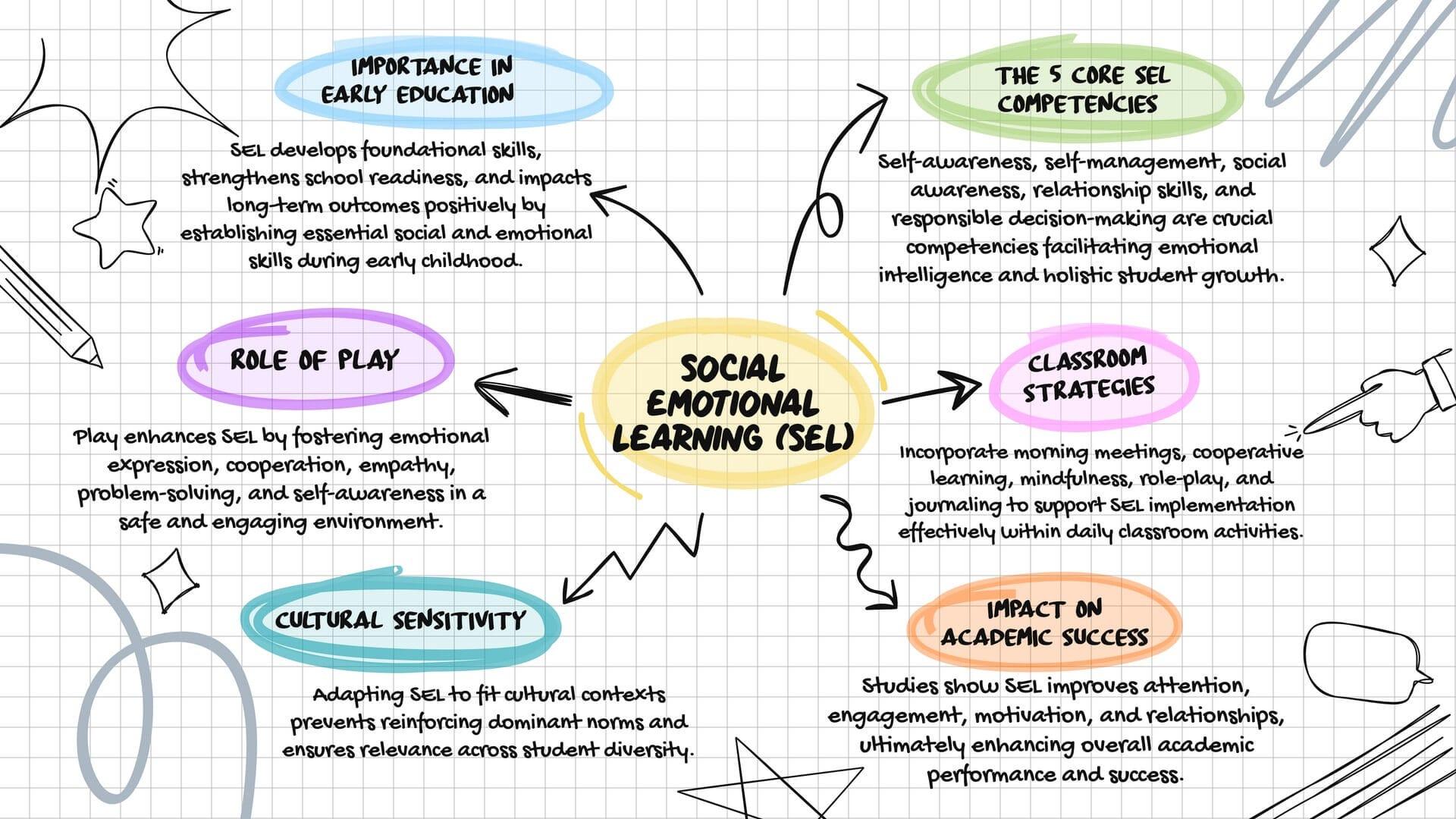
Social-Emotional Learning (SEL) is increasingly recognized as a vital component of modern education, providing students with essential skills to manage emotions, build relationships, and make responsible decisions. For students with special needs, SEL takes on an even greater importance, serving as a critical foundation for both academic success and personal growth. In diverse classrooms,educators face unique challenges and opportunities in fostering SEL for students with special needs.This thorough guide explores effective strategies, benefits, and practical tips to create inclusive, supportive, and empowering learning environments.
What is Social-Emotional Learning and Why Is it Important for Students with Special Needs?
SEL refers to the process through which individuals acquire and apply the knowledge, skills, and attitudes necessary to understand and manage emotions, set positive goals, show empathy for others, establish healthy relationships, and make responsible decisions.For students with special needs—including those with autism spectrum disorders, ADHD, learning disabilities, emotional or behavioral disorders, and other exceptionalities—SEL can be a transformative tool that addresses barriers to learning and social integration.
- Enhanced Self-Awareness: Helps students recognize their emotions, abilities, and areas for growth.
- better Relationship Skills: Teaches effective communication and supports peer connections.
- Improved Self-Management: Encourages emotional regulation and problem-solving abilities.
- Increased Academic Engagement: Fosters a sense of belonging and motivation to learn.
Key Challenges in Supporting SEL for Students with Special Needs
While SEL benefits all students, those with special needs may require more individualized support. Some common challenges include:
- communication Barriers: Students may have difficulty expressing feelings or understanding social cues.
- Emotional Regulation: Managing anxiety, frustration, or impulsive behavior can be harder for some learners.
- Social Integration: Students with special needs might struggle to connect with peers or participate in group activities.
- Sensory Processing: Over- or under-sensitivity to stimuli can impact participation and emotional states.
- Behavioral Challenges: Emotional or behavioral disorders may manifest as outbursts or withdrawal.
Recognizing these challenges is the first step toward designing inclusive SEL strategies in diverse classrooms.
Effective Strategies to Support SEL for Students with Special Needs
Adopting intentional, inclusive approaches ensures that SEL for students with special needs is meaningful and effective. Here are several evidence-based strategies for educators and support staff:
1.Universal Design for Learning (UDL)
UDL is a framework that accommodates individual learning differences, providing multiple means of engagement, portrayal, and expression.In the context of SEL:
- Use visual supports (e.g.,social stories,visual schedules) to reinforce expectations and routines.
- Provide choices in activities and ways to demonstrate learning.
- Adapt SEL curriculum with accommodations, such as simplified language or assistive technology.
2. Explicit instruction and Modeling
SEL skills, such as recognizing emotions or resolving conflicts, frequently enough need to be taught overtly to students with special needs.
- Use clear, direct language and break down skills into manageable steps.
- Model behaviors through role-play, videos, or teacher demonstrations.
- Practice skills in structured and unstructured settings for generalization.
3. Foster a Positive Classroom Climate
Creating a safe,nurturing surroundings is crucial for SEL.
- Establish predictable routines and clear expectations.
- Incorporate calming activities, such as mindfulness or sensory breaks.
- Celebrate individual and collective successes to promote self-esteem.
4. Collaborative Partnerships with Families and Specialists
A team approach is often most effective in supporting students with special needs in SEL.
- Engage families by sharing SEL goals and strategies for reinforcement at home.
- Collaborate with special education teachers, counselors, and therapists for comprehensive support.
- Use Individualized Education Plans (IEPs) to integrate SEL objectives and monitor progress.
5. Peer-Mediated Interventions
Encouraging peer support enhances learning and social integration.
- Implement buddy systems or cooperative learning groups.
- Teach all students empathy, inclusion, and advocacy skills.
- Provide guidance and supervision to ensure positive peer interactions.
6. Responsive classroom Management
Positive behavior support systems and restorative practices can help students regulate emotions and learn from mistakes.
- Use proactive intervention techniques to address issues before they escalate.
- Focus on teaching replacement behaviors and self-reflection after conflicts.
- Reinforce positive behaviors with praise and rewards tailored to individual needs.
Benefits of SEL for Students with Special Needs
Research consistently shows that SEL programs deliver important improvements for students with special needs:
- Academic Achievement: Improved engagement, reading and math scores, and classroom participation.
- Emotional Well-being: Reduced anxiety, depression, and disruptive behaviors.
- Social Skills: Better peer relationships, increased inclusion, and less bullying.
- Independence: Greater self-advocacy and resilience in and out of school.
First-Hand Experience: A Teacher’s Outlook
“Integrating SEL into my special education classroom has truly transformed the learning experience for my students. One of my students with autism, who struggled with social cues, began using emotion cards to express himself. Over time,not only did his self-confidence blossom,but his classmates also became more empathetic and supportive. SEL is not just an add-on—it’s a necessity.”
– Karen M.,Special Education Teacher
Practical Tips for Supporting SEL in Diverse Classrooms
- Consistent language: Use the same SEL vocabulary across all subjects and settings.
- Check for Understanding: Frequently assess students’ grasp of social-emotional concepts.
- Flexible Grouping: Pair students strategically to foster both support and challenge.
- Celebrate Progress: Acknowledge small steps and milestones for motivation.
- Continuous Professional Development: Educators should pursue ongoing training in inclusive SEL practices.
Case Study: SEL in action for Inclusive Education
At Oakwood Elementary,a multi-disciplinary team implemented a school-wide SEL program tailored to the needs of diverse learners. By integrating visual supports, peer buddies, and family workshops, suspension rates dropped by 40% and classroom engagement soared. students with special needs demonstrated greater self-regulation and academic confidence, and the entire school community became more inclusive and supportive.
Conclusion: Empowering All Learners through SEL
Promoting SEL for students with special needs is essential for building equitable, inclusive, and thriving learning environments. By leveraging evidence-based strategies, fostering collaboration, and celebrating individual strengths, educators can help every student succeed—academically, socially, and emotionally. Whether you are a teacher, parent, administrator, or specialist, embracing and prioritizing SEL transforms lives and ensures no learner is left behind.
To further support your journey, consider accessing resources from organizations like CASEL and Edutopia, and engage in ongoing professional development to stay updated on best practices for SEL in diverse classrooms.
FAQs: SEL for Students with Special Needs
- How do I start SEL with students who have communication challenges? Use visuals, gestures, and simple language. Incorporate assistive technology and work with speech-language specialists for tailored support.
- Can SEL be included in IEPs? Absolutely! Collaborate with IEP teams to include specific SEL goals and objectives in students’ plans.
- Are there recommended SEL programs for special education? Look for evidence-based curricula such as Second Step, PATHS, or Zones of Regulation, but be prepared to adapt them as needed.
Empower every student in your classroom—make SEL a foundational part of your teaching practice.