
SEL Strategies for Students with Special Needs: Boosting Social-Emotional Learning Success
Social-emotional learning (SEL) has emerged as a vital part of modern education, equipping students with the skills they need to manage emotions, cultivate relationships, and make responsible decisions. For students with special needs, SEL plays an even more impactful role in their academic and personal progress. In this comprehensive guide, we explore effective SEL strategies for students with special needs and how these approaches can help boost success in both inclusive classrooms and specialized programs.
Understanding SEL and It’s Importance for Students with Special needs
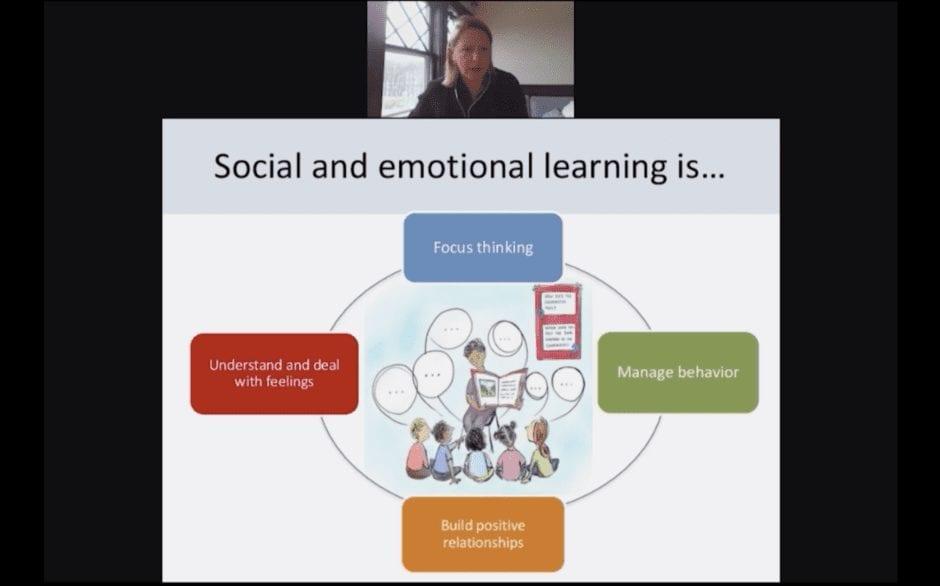
SEL, or social-emotional learning, refers to the process by which children and adults acquire the knowledge, attitudes, and skills necessary to understand and manage emotions, set positive goals, show empathy for others, establish healthy relationships, and make good decisions. For students with special needs—including those diagnosed with autism, ADHD, learning disabilities, or emotional/behavioral disorders—SEL is integral to unlocking their fullest potential.
- Enhanced Self-Awareness: SEL helps students recognize their own emotions and strengths.
- Improved collaboration: Students learn how to work together, communicate effectively, and manage disagreements.
- Greater Independence: SEL fosters decision-making and coping strategies for everyday challenges.
Key Benefits of Social-Emotional Learning for Students with Special Needs
integrating SEL strategies into special education not only boosts academic achievement but also promotes overall well-being.Here are some core benefits:
- Reduced Anxiety and Behavioral Challenges: SEL interventions help students better handle frustration and anxiety, leading to fewer classroom disruptions.
- Strengthened Interaction skills: Through SEL, children learn to express themselves and understand others more effectively.
- Increased Resilience: Students develop coping mechanisms that help them navigate setbacks.
- Greater Engagement: SEL creates a supportive classroom habitat, fostering a sense of belonging for all learners.
Effective SEL Strategies for Students with Special Needs
When implementing SEL for students with special needs, it’s essential to tailor strategies to individual learning profiles. below, we outline proven approaches that educators, therapists, and families can use to boost social-emotional learning success:
1. Individualized Instruction and adaptations
SEL activities should be modified to fit the particular abilities and needs of students. This might include providing visual supports, breaking tasks into manageable steps, or using assistive technology tools. Personalized plans ensure that SEL is accessible for everyone.
- Use social stories to teach expected behaviors and emotions.
- Implement sensory breaks during activities to avoid overwhelm.
- Incorporate role-playing with clear, concrete examples.
2. Explicit Emotional Recognition and Regulation
For many students with special needs, identifying and expressing emotions can be challenging. Explicit instruction in emotion vocabulary and regulation techniques is crucial.
- Introduce visual emotion charts and check-ins.
- Practice deep breathing, mindfulness, and relaxation exercises.
- Encourage journaling or drawing as an emotional outlet.
3. Collaborative Learning and Peer Modeling
Structured peer interactions foster core SEL competencies. Pairing students with peer mentors or facilitating small group activities allows for modeling of positive social behaviors.
- Design cooperative group tasks with defined roles.
- Embed “buddy systems” for ongoing support.
- Utilize games that build social skills and turn-taking.
4. Family Engagement and Home-Based SEL
SEL is most effective when reinforced at home. encouraging families to participate in SEL practices strengthens consistency and helps students transfer skills across settings.
- Share SEL activities and resources for home use.
- Provide workshops or webinars for parents on SEL strategies.
- Involve families in setting SEL goals for their children.
5. Responsive Classroom Environment
Create an inclusive atmosphere that adapts to students’ emotional and sensory needs.This may include flexible seating,calming corners,and predictable routines.
- Set clear expectations and celebrate small successes.
- Offer choices and autonomy in learning activities.
- Integrate positive behavior supports and reinforcement systems.
Practical Tips for Teachers and Educators
Here are actionable steps you can take to strengthen SEL for students with special needs in yoru learning environment:
- Set SMART SEL Goals: Define specific, measurable, achievable, relevant, and time-bound objectives for each student.
- Use Multi-Sensory Approaches: present SEL concepts using visuals, music, movement, and hands-on activities.
- Emphasize Process Over Product: Focus on the journey of learning social-emotional skills rather than outcomes.
- Assess Progress Regularly: Use rubrics, observations, and self-assessments to monitor growth.
- Foster a Growth Mindset: Encourage perseverance and embracing challenges.
Case Study: SEL Success in an Inclusive Classroom
Consider the example of a middle school classroom were SEL was integrated using individualized emotion check-ins, buddy systems, and daily mindfulness activities. The educator observed that students with autism and ADHD showed improved attention, more positive peer interactions, and reductions in anxiety-driven behaviors. By adapting SEL strategies to meet diverse needs, all students felt safer and more connected.
First-Hand Experience: An Educator’s Outlook
“As a special education teacher,I’ve seen first-hand how tailored SEL activities make a difference.Introducing visual cues for emotions, modeling calm-down techniques, and involving families in SEL efforts have transformed not just my students’ abilities to cope, but also their enthusiasm for learning. Every milestone, no matter how small, is celebrated and it boosts confidence in ways that traditional methods frequently enough miss.”
Overcoming Common Challenges in SEL Implementation
- Lack of resources: Seek out online SEL toolkits, community partnerships, and grant opportunities.
- Time constraints: Incorporate SEL into daily routines versus standalone lessons.
- Diverse learner needs: Rely on ongoing assessment and flexible adaptations to meet each student where they are.
Recommended Resources for Boosting SEL
- CASEL (Collaborative for Academic, Social, and Emotional Learning)
- Understood.org
- Edutopia SEL
- The Pathway 2 Success
Conclusion: Unlocking Social-Emotional Learning Success for Every Student
Incorporating robust SEL strategies for students with special needs is not only an educational imperative—it’s a pathway to helping every learner thrive socially and emotionally. By embracing individualized instruction, fostering family partnerships, and building responsive environments, educators and families can make meaningful strides toward inclusive, successful learning experiences. Together, we can ensure that all students, irrespective of background or ability, develop the critical life skills needed for a happy, successful future.
Ready to take your classroom’s SEL to the next level? Start small, stay consistent, and celebrate every step of progress!