
SEL Strategies for Students with Special Needs: Effective Approaches for Success
social and Emotional Learning (SEL) has become a cornerstone of modern educational strategies, fostering emotional intelligence, self-awareness, and interpersonal skills among students. for students with special needs,SEL takes on even greater importance,as tailored approaches can dramatically improve both academic and social outcomes. In this complete article, we will explore effective SEL strategies for students with special needs, discuss the benefits, share practical tips, and delve into real-world examples that highlight prosperous implementation.
what is Social and Emotional Learning (SEL)?
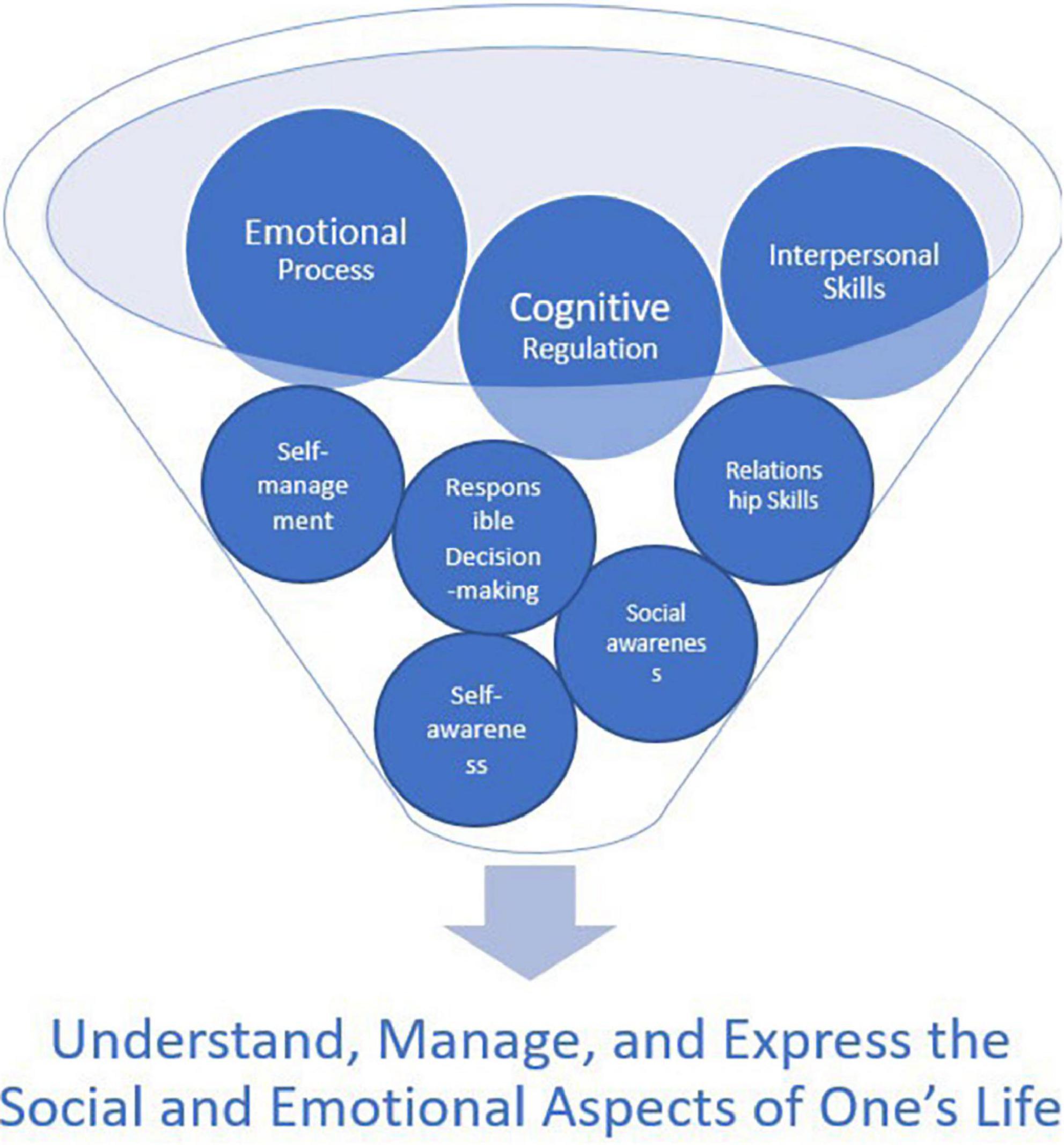
SEL refers to the process by which individuals learn to understand and manage emotions, set and achieve goals, establish positive relationships, and make responsible decisions. for students with special needs, SEL has a powerful impact, fostering resilience, boosting self-esteem, and supporting academic growth.SEL strategies are essential for children facing challenges such as autism, ADHD, learning disabilities, or behavioral issues.
Key SEL Competencies:
- Self-awareness: Recognizing emotions, strengths, and challenges.
- Self-management: Regulating emotions and behaviors.
- Social awareness: Empathy and understanding different perspectives.
- Relationship skills: Building healthy relationships and resolving conflicts.
- Responsible decision-making: Making ethical, constructive choices.
Why SEL Strategies Matter for Students with Special Needs
Students with special needs encounter unique social, emotional, and behavioral challenges, which may affect their ability to learn and connect with peers.SEL strategies provide foundational support,helping these students thrive in inclusive environments.
Benefits of SEL for students with Special Needs:
- Improved emotional regulation and reduced anxiety.
- Enhanced dialog skills with peers and teachers.
- Greater self-confidence and motivation to participate.
- Strengthened coping mechanisms for everyday stressors.
- Increased academic engagement and performance.
Effective SEL Strategies for Students with Special Needs
Integrating SEL into the learning experience for students with special needs requires creativity, personalization, and consistency. Here are some proven strategies and practical tips:
1. Use Visual Supports and Social Stories
- Create visual schedules and emotion charts to aid understanding.
- Develop social stories that demonstrate appropriate behaviors in various settings.
- Utilize picture cards to communicate feelings and choices.
2. Incorporate Sensory-Pleasant Activities
- Provide sensory breaks to reduce overwhelm and support self-regulation.
- Use calming spaces, fidget tools, and noise-cancelling headphones as needed.
3. Foster peer Relationships through Structured interaction
- Organise cooperative learning activities that encourage teamwork.
- Implement buddy systems or peer mentoring programs for social engagement.
4. Teach Emotional Vocabulary and Self-Expression
- Use role-play scenarios to explore different emotions and responses.
- Practice “I feel” statements to encourage communication and self-awareness.
- Model emotional expression and positive coping strategies.
5. Implement Behavior Reinforcement Systems
- Set clear expectations using visual cues and routines.
- Reward positive behaviors with praise, tokens, or tangible incentives.
- Maintain consistency and predictability to reduce anxiety.
6. Collaborate with Families and Specialists
- Communicate regularly with parents and guardians to share progress and strategies.
- Work alongside speech therapists, occupational therapists, and counselors for holistic support.
Practical Tips for Implementing SEL in Special Education Classrooms
- Personalize Instruction: Adapt SEL lessons to meet individual student needs by considering learning styles, strengths, and challenges.
- Set realistic Goals: Focus on achievable milestones in both emotional and academic growth. Celebrate every victory,big or small.
- Use Technology: Interactive apps such as ClassDojo or GoNoodle can help reinforce SEL concepts through engaging activities.
- Embrace flexible Grouping: Mix small group and one-on-one instruction for targeted SEL support.
- Monitor Progress: Document behavioral and emotional changes to tailor supports as needed.
Case Studies: SEL Success Stories with Special Needs Students
Case Study 1: SEL for Students with Autism Spectrum Disorder (ASD)
At an inclusive elementary school, teachers introduced visual aids and social stories to support students with ASD during transitions and peer interactions. over time, these students showed remarkable improvement in expressing their needs, engaging in group work, and managing sensory overload. This approach fostered confidence and decreased behavioral outbursts.
Case Study 2: SEL & ADHD Management
A middle school class implemented regular movement breaks and clear reinforcement systems for students with ADHD. Teachers noted enhanced attention spans, better impulse control, and increased participation. Parent collaboration was crucial in ensuring consistent strategies between home and school.
Firsthand Experience: Special Education Teacher Testimonial
“As a special education teacher, I’ve seen firsthand the transformative power of SEL. One of my students struggled with self-esteem and frequent outbursts. By introducing daily check-ins, personalized social stories, and a simple reward system, I witnessed her blossom into a confident communicator. SEL isn’t a one-size-fits-all solution; it’s about persistence, creativity, and genuine connection.”
The Importance of SEL in Remote and Hybrid Learning
With the rise of remote and hybrid learning environments,SEL strategies for students with special needs must evolve. Virtual SEL activities—such as video modeling, online social groups, and digital emotion trackers—can help bridge the gap, ensuring continuity in emotional development and peer relations, even from a distance.
Conclusion: Empowering Students with Special Needs Through SEL
building a strong foundation of social and emotional learning allows students with special needs to overcome barriers, connect meaningfully, and achieve their fullest potential—both academically and personally. Through visual supports, individualized approaches, family collaboration, and technology, educators can make SEL accessible, effective, and empowering for every child.By prioritizing SEL strategies for students with special needs,we create a school culture rooted in empathy,resilience,and lasting success.
Weather you’re a teacher, administrator, or parent, embracing and implementing SEL can transform lives. With ongoing commitment and creativity, we can help every student with special needs thrive emotionally, socially, and intellectually.
Keywords used: SEL strategies for students with special needs, effective SEL approaches, social and emotional learning, special education, inclusive education, emotional regulation, benefits of SEL, practical SEL tips, peer relationships, remote and hybrid learning.