
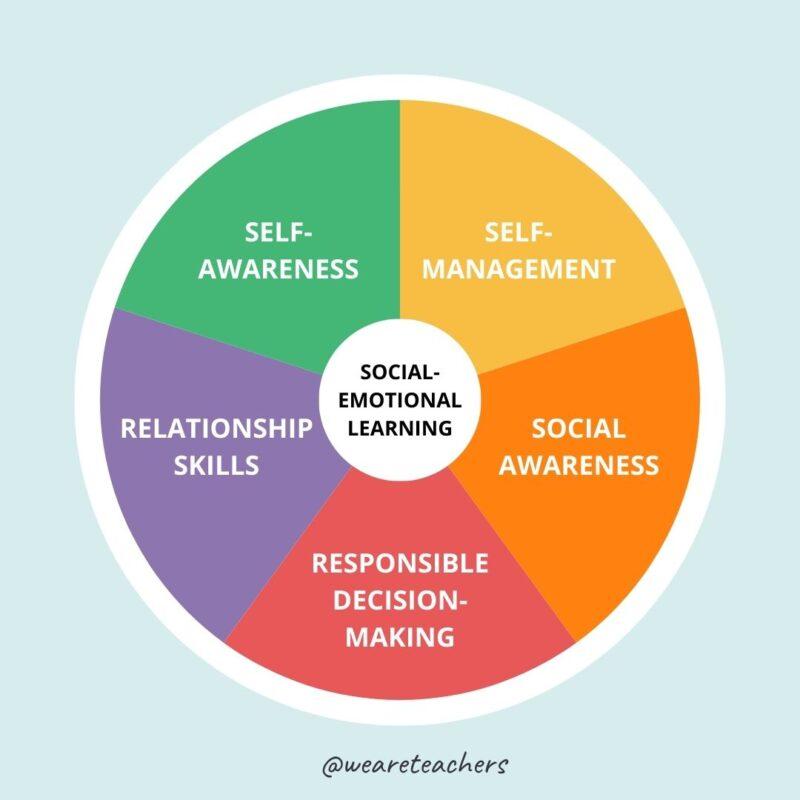
SEL Strategies for Students with Special Needs: Enhancing Social-Emotional Learning for All learners
Social-emotional learning (SEL) empowers students to manage emotions, set positive goals, build relationships, and make responsible decisions. When thoughtfully adapted, SEL strategies enable students with special needs to thrive academically and socially. In today’s inclusive classrooms, prioritizing SEL for all learners is essential for fostering a supportive, empathetic, and engaging surroundings.
In this comprehensive guide, we’ll explore effective SEL strategies for students with special needs, uncover the benefits of inclusive social-emotional learning, and share actionable tips for educators and families. Whether you’re a teacher, administrator, or parent, discover how SEL integration benefits every learner and creates a pathway for long-term success.
Understanding SEL and Its Importance in Special Education
SEL is the process by which individuals develop skills to:
- Recognize and manage emotions
- Set and achieve positive goals
- Show empathy toward others
- Establish and maintain positive relationships
- Make responsible choices
For students with special needs — including those with learning disabilities, autism spectrum disorders, ADHD, and emotional or behavioral challenges — SEL offers vital support and scaffolding. These students may face heightened difficulties in interaction, self-regulation, or social interaction. Implementing targeted SEL strategies gives them the tools to navigate challenges,build resilience,and connect with peers.
benefits of SEL for Students with Special Needs
Integrating SEL into special education programs provides far-reaching benefits. Here are some key advantages:
- Improved Self-Awareness: SEL helps students recognize emotions, strengths, and areas of need, enhancing self-confidence.
- Greater emotional Regulation: Structured SEL strategies reduce anxiety and impulsivity, teaching students how to express themselves appropriately.
- Enhanced Social Skills: Students learn to collaborate, resolve conflicts, and develop empathy, making it easier to build lasting relationships.
- Academic Success: When students feel safe and supported, they are more engaged and perform better academically.
- Decreased behavioral Issues: Consistent SEL practices lead to a reduction in disruptive behaviors, fostering a positive classroom climate.
How SEL narrows Gaps in Inclusive Classrooms
SEL strategies bridge gaps by ensuring equitable access to social-emotional supports. Designed with special education needs in mind, these approaches ensure that every student feels valued and understood, irrespective of learning differences.
Effective SEL Strategies for Students with Special Needs
Implementing SEL in inclusive settings requires creativity, flexibility, and a focus on individual needs. Here are proven strategies to promote social-emotional learning for all learners:
1. Explicit Instruction in SEL Skills
- Break down SEL concepts (like empathy,emotional regulation,and communication) into manageable steps.
- Use visual supports, social stories, and role-play to teach skills in meaningful contexts.
- Practice skills in small groups or one-on-one sessions for targeted reinforcement.
2. Incorporate Visual Supports and Cues
- Implement visual schedules,feelings charts,and cue cards to support self-regulation.
- Provide visual reminders for routines, expected behaviors, and emotional vocabulary.
3. Utilize Sensory-Pleasant Spaces
- Designate quiet zones or sensory areas were students can self-regulate and decompress.
- Integrate sensory tools (fidgets,headphones,weighted blankets) during SEL activities.
4. Scaffold Social Interactions and Group Work
- Pair students with supportive peers in collaborative activities.
- Use structured scripts and guided prompts for turn-taking, sharing, and problem-solving.
- Set clear expectations for group behavior and encourage positive feedback.
5. model SEL Skills Consistently
- Demonstrate emotional regulation and conflict resolution in everyday classroom interactions.
- use “think alouds” to verbalize feelings and problem-solving strategies.
- Celebrate effort and improvement, not just outcomes.
6.Integrate Technology to Support SEL
- Leverage apps and online platforms that teach SEL skills (like emotion identification and mindfulness).
- Use assistive technology for communication, especially with students who are nonverbal or have language challenges.
7. Foster Family Engagement
- Share SEL goals and strategies with families to support skill development at home.
- Communicate regularly about student progress, challenges, and achievements.
- Offer workshops and resources on SEL for parents and caregivers.
Practical SEL Tips for Teachers and Parents
Effective SEL for special needs students is grounded in consistency, empathy, and individualized support. These practical tips can make a positive difference:
- Set Routine and Predictability: Establish clear, structured routines that help students feel secure and know what to expect.
- use Positive Reinforcement: Reward and acknowledge desired behaviors, focus on strengths, and encourage effort.
- Personalize Activities: Adapt SEL lessons to match students’ interests, communication styles, and sensory needs.
- Practice Mindfulness: introduce short mindfulness exercises, breathing techniques, or relaxation breaks to reduce stress and improve focus.
- Offer Choice and Voice: Give students options in activities and decisions, empowering them to express preferences and needs.
Inclusive SEL Case Study: Firsthand Experience
“In our inclusive classroom, we implemented a daily feelings check-in using a visual feelings chart. One of our students with autism initially struggled to identify and communicate his emotions. Through daily practice,modeling,and gentle prompting,he began to point to ‘happy’ and ‘frustrated’ when asked about his feelings. By including role-play and small group discussions, we noticed remarkable improvement in his social interactions and self-confidence. The entire class benefited from increased empathy and understanding, fostering a stronger sense of community.”
This case study highlights the transformative power of social-emotional learning for students with special needs. Even small, consistent interventions can yield meaningful results for both the individual and the classroom as a whole.
SEL Program Recommendations for Special Needs Classrooms
Consider these evidence-based SEL programs and resources tailored for students with special needs:
- Zones of regulation: A framework for teaching self-regulation and emotional control using color-coded zones and visual cues.
- Second Step: Offers age-appropriate SEL lessons, including modules specifically for special education settings.
- Social Stories™: Developed by Carol Gray, these short narratives help students with autism understand social expectations and emotional responses.
- PATHS® (Promoting Option Thinking Strategies): An SEL curriculum designed for elementary and special needs students.
- MindUP: Teaches mindfulness and emotional regulation strategies, suitable for diverse learners.
Explore additional resources and adapt practices based on the unique strengths and needs of your classroom or child.
Overcoming Challenges and Building Resilience
While SEL implementation may present challenges,including limited time,resources,or initial resistance,educators can overcome these hurdles by:
- Collaborating: Teaming up with special educators,therapists,counselors,and families to create a unified SEL approach.
- Starting Small: implementing one strategy or activity at a time and building gradually for lasting impact.
- Celebrating Growth: Recognizing small victories and progress, reinforcing the positive effects of SEL.
Remember, change takes time—be patient and adaptable as you refine SEL supports for all learners.
Conclusion: Empowering All Learners Through SEL
Incorporating SEL strategies for students with special needs creates a nurturing, inclusive learning environment where every learner is valued and supported.By adapting social-emotional learning to meet diverse needs, educators cultivate empathy, resilience, and success in the classroom and beyond.
Whether you’re integrating visual supports,scaffolding social interactions,or fostering family involvement,every step makes a difference. Start small, stay consistent, and remember that every student deserves the prospect to develop strong social-emotional skills. together, we can build inclusive schools that prepare learners for academic achievement and lifelong well-being.
Keywords: SEL strategies for students with special needs,social-emotional learning for all learners,inclusive education,special education SEL,benefits of SEL,practical SEL tips,case study,SEL programs special needs