
SEL Strategies for Students with Special Needs: Enhancing Social-Emotional Learning
Supporting students with special needs goes far beyond academic instruction. Social-emotional learning (SEL) empowers these students to build strong relationships, navigate challenges, and thrive in inclusive environments. In this comprehensive guide, we explore practical SEL strategies for students with special needs, highlight their benefits, and share actionable tips to create positive and supportive classrooms.
What Is Social-Emotional Learning (SEL) and Why does It Matter?
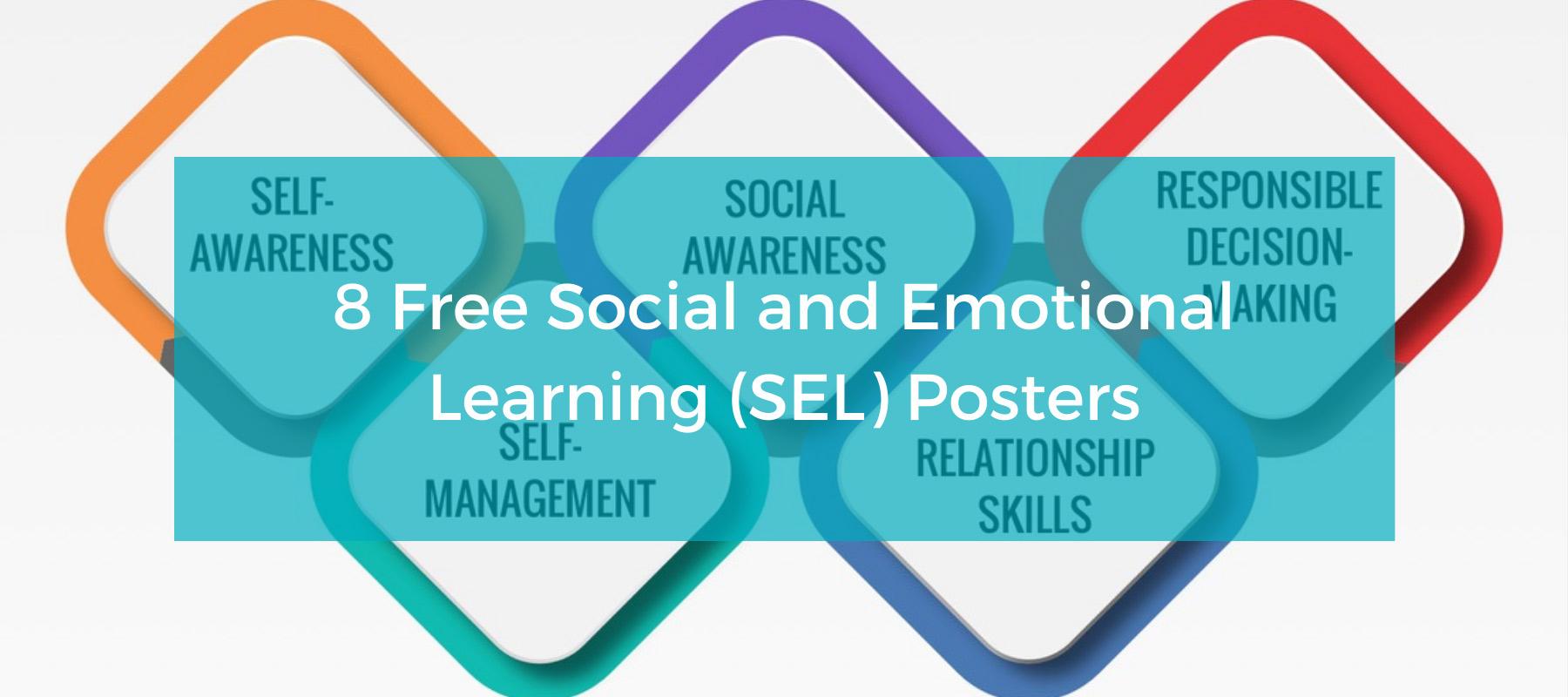
Social-emotional learning (SEL) refers to the process of developing essential life skills—including emotional management, empathy, resilience, and communication.For students with special needs, SEL is notably critically important, as it fosters self-confidence, meaningful social bonds, and a sense of belonging.
- Emotional Regulation: Enables students to express and manage feelings appropriately.
- Interpersonal Skills: Helps in building friendships and teamwork.
- Self-Awareness: Encourages understanding strengths and areas for growth.
- Problem-Solving: Cultivates critical thinking and adaptive coping strategies.
unique SEL Challenges Faced by Students with special Needs
While SEL benefits all learners, students with special needs ofen encounter unique social and emotional challenges. These may include difficulties with communication, sensory sensitivities, or issues related to neurodiversity. Understanding these challenges is the first step in building effective SEL strategies:
- Communication Barriers: Students with speech or language difficulties might struggle to express their needs or emotions.
- Sensory Processing: Overwhelm in busy or noisy environments can affect emotional regulation.
- Cognitive Differences: Abstract concepts (like self-awareness) may require concrete teaching methods.
- Anxiety & Social Isolation: Students may feel excluded or misunderstood without targeted SEL support.
Benefits of SEL for Students with Special Needs
Implementing SEL strategies for students with special needs provides numerous academic, social, and emotional advantages. Some of the key benefits include:
- Improved Emotional Well-Being: SEL helps students recognize and articulate emotions, reducing stress and anxiety.
- Positive Social Connections: Students learn to collaborate, resolve conflicts, and build friendships.
- Enhanced Academic Success: A positive emotional environment fosters motivation and engagement in learning.
- Greater Self-Advocacy: SEL encourages self-confidence, enabling students to communicate needs and seek support independently.
- Inclusive Classroom Culture: SEL promotes acceptance, respect, and understanding among all students.
Practical SEL Strategies for Students with Special Needs
Here are proven and research-backed SEL strategies that educators and caregivers can implement for students with diverse abilities:
1. Use Visual Supports and Social Stories
- Visual cues, charts, or schedules clarify expectations and routines.
- Social stories break down complex social scenarios into simple steps.
- Visual emotion charts can help students identify and communicate feelings.
2. Incorporate Multi-Sensory and Hands-On Activities
- Include tactile, auditory, and visual activities to engage diffrent learning styles.
- Sensory-friendly spaces, such as calm corners, help students regulate emotions.
- Role-playing and puppetry can make social concepts more accessible.
3.Teach emotional Vocabulary Explicitly
- Model and practice words for emotions like “frustrated,” “excited,” or “nervous.”
- Encourage use of emotion cards during social interactions.
- connect emotion words to personal experiences for deeper understanding.
4. Foster self-Regulation With Mindfulness Techniques
- Teach breathing exercises, counting, or movement breaks to reduce anxiety.
- Practice guided imagery and progressive muscle relaxation.
- Encourage reflection and self-monitoring using journals or apps.
5. Encourage Cooperative Learning and Peer Interaction
- Pair students with peers for group projects or buddy systems.
- Use games and collaborative tasks to strengthen teamwork and communication skills.
- Facilitate inclusive activities that honor different abilities and strengths.
6. Implement Check-Ins and Circle Time
- begin and end the school day with emotional check-ins.
- Circle time allows everyone to share feelings and successes in a safe space.
- Check-ins help identify students needing extra support or intervention.
7. Collaborate With Families and Specialists
- Engage in regular communication with families and caregivers.
- Work with speech, occupational, and behavioral therapists to align SEL approaches.
- Provide training for families to reinforce SEL skills at home.
Real-Life Example: SEL in Action
Case Study: In a mainstream elementary classroom,a student with autism struggled with changes in routine and group activities. Using visual schedules and daily emotion check-ins, the teacher noticed a positive transformation. The student began expressing preferences with picture cards, participated more in group tasks, and showed reduced outbursts. This case highlights how individualized SEL strategies can empower students with special needs to feel understood and valued.
Tips for Creating an Inclusive SEL Framework
- Personalize Interventions: Tailor SEL strategies to each student’s abilities and goals.
- Build Trusting Relationships: Be patient, empathetic, and consistent.
- Celebrate Progress: Recognize small milestones and encourage continued effort.
- Equip for Transitions: Prepare students for changes by previewing new activities and environments.
- Be Culturally Responsive: Ensure SEL materials reflect diverse backgrounds and experiences.
- Leverage Technology: Use assistive devices or apps that foster communication and social skills.
SEL Resources for Educators and Families
- The collaborative for Academic, Social, and Emotional Learning (CASEL)
- National Autism Society – Social Skills Resources
- LD Online – Strategies & Tools for Special Needs
- Understood.org – Support for Learning and Attention Issues
Conclusion: Empowering Every Learner Through SEL
SEL strategies for students with special needs are transformative tools for fostering confidence, empathy, and resilience. By prioritizing social-emotional learning, educators and caregivers create classrooms where every child feels safe, capable, and connected. The ripple effect of inclusive SEL practices is clear: when students are equipped to navigate their emotions and relationships, thay unlock their fullest potential—academically, personally, and socially.
Ready to enhance your SEL toolkit? Start by selecting one strategy from this guide and adapting it for your students’ unique needs.Consistent effort and a positive approach guarantee progress, growth, and a classroom environment where every learner shines.