
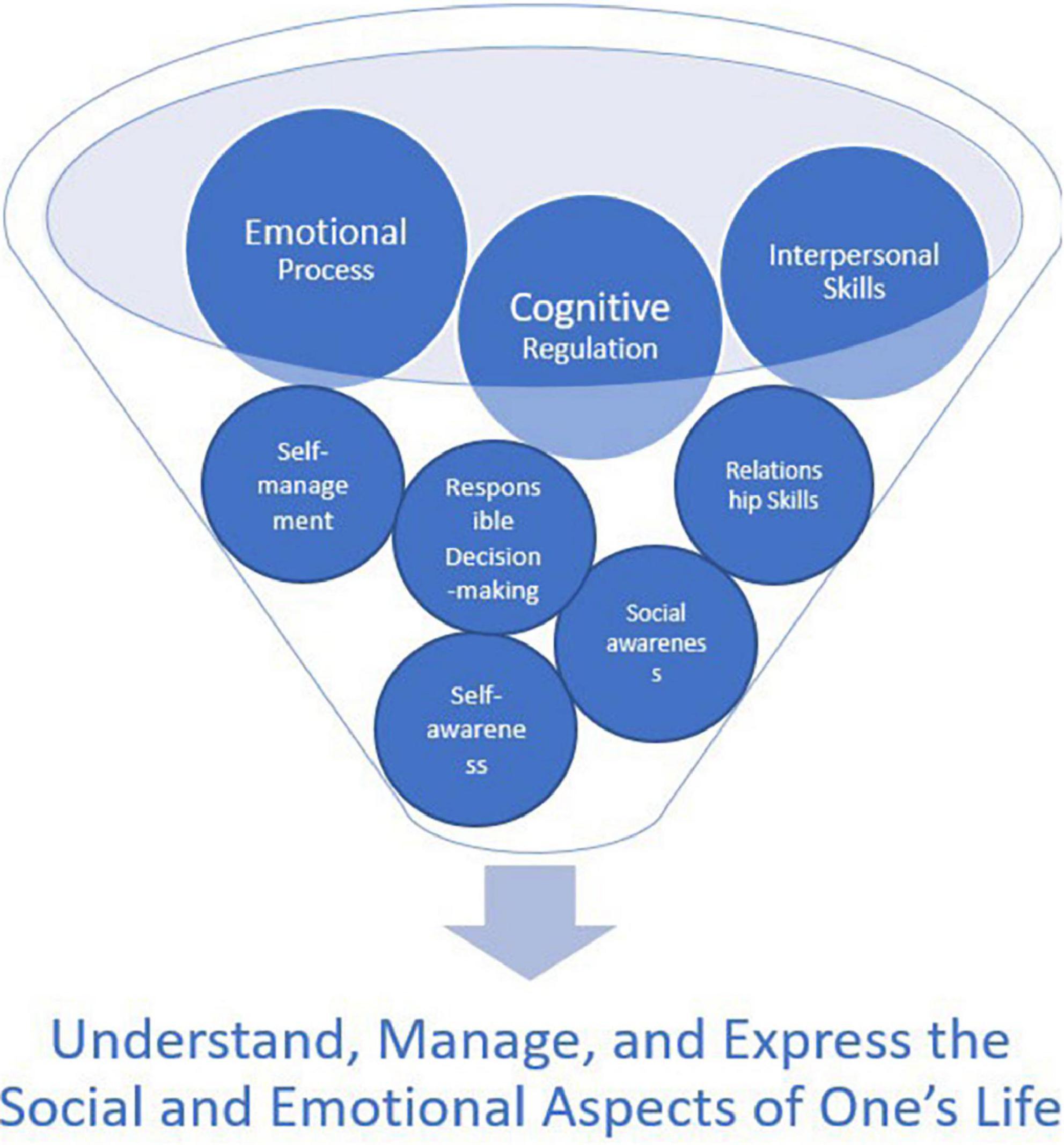
SEL Strategies for Students with Special Needs: Practical Tips and Benefits
Introduction: Unlocking the Power of SEL in Special Education
Social Emotional Learning (SEL) is essential for all students, but it plays a particularly crucial role for students with special needs.These learners often face additional social, emotional, and academic challenges, making SEL strategies not just beneficial but foundational to their development. In this in-depth guide, we’ll explore why SEL matters for special needs students, proven SEL strategies, practical tips for educators and parents, and the meaningful benefits SEL brings to inclusive classrooms. Whether you’re a teacher, parent, or administrator, you’ll discover actionable insights to foster emotional intelligence, resilience, and positive relationships for every learner.
Why SEL Matters for Students with Special Needs
Special needs students, including those with autism spectrum disorder, ADHD, learning disabilities, and emotional disturbances, frequently enough struggle more than their peers with:
- Recognizing and managing emotions
- Building relationships and social skills
- Self-awareness and self-regulation
- Conflict resolution and cooperation
SEL programs provide a structured framework were every child can learn and practice crucial emotional and social skills, improving both academic outcomes and overall well-being. Targeted SEL strategies can help bridge gaps, boost confidence, and create an environment where students with special needs thrive.
Key SEL Strategies for Students with Special Needs
Developing effective SEL strategies tailored for students with special needs requires thoughtful adaptation and a commitment to individualized instruction. Here are some evidence-based methods:
1. Visual Supports and Social Stories
- Use visual schedules, emotion cards, and social stories to teach expected behaviors, routines, and emotional responses.
- Provide clear cues for transitions and expectations.
2. Explicit Teaching of Emotional Vocabulary
- Introduce and practice words for different feelings (“happy,” “frustrated,” “anxious”) using pictures, stories, and role play.
- Encourage students to label their own emotions in real-time.
3. Flexible Communication Strategies
- Incorporate Augmentative and Alternative communication (AAC) devices, sign language, or PECS when needed.
- Allow multiple ways to express feelings and needs.
4. Mindfulness and Self-Regulation Techniques
- Practice deep breathing,progressive muscle relaxation,or guided imagery tailored to sensory sensitivities.
- Use “calm corners” or quiet spaces for emotional regulation breaks.
5. Cooperative Group Activities
- Organize structured group work that encourages turn-taking, listening, and peer collaboration.
- Model and reinforce positive social interactions.
6. Positive Behavior Support and reinforcement
- Apply individualized behavior plans that include SEL goals and positive reinforcement (stickers, praise, choice rewards).
- Celebrate small successes to build motivation and self-efficacy.
Practical Tips for Implementing SEL Strategies
Integrating SEL for students with special needs is most effective when approached with intentional planning and ongoing reflection. Here are some practical tips for teachers, support staff, and parents:
- Start Small and Build Consistency: Introduce one SEL skill at a time, repeating daily to build mastery.
- Personalize Lessons: Adapt SEL lessons to suit cognitive, sensory, or communication needs for each learner.
- Embed SEL into Daily routines: Make SEL a natural part of morning meetings,transitions,or classroom procedures.
- Collaborate with Families: Share SEL goals and activities with families so skills can be practiced at home.
- Model Emotional Regulation: Demonstrate language and coping strategies, narrating your own choices when you feel frustrated or excited.
- Use Technology Wisely: Explore apps and online resources designed for teaching SEL to diverse learners,such as Mood Meter or ClassDojo.
First-Hand Experiences: SEL Strategies That Work
Many educators and parents have shared inspiring stories of SEL transforming the school experience for students with special needs:
“We started using social stories every morning,and my students with autism now transition to activities with much less anxiety. thay love picking their emotion cards and sharing with the group.” – Ms. Thompson, Special Education Teacher
“Introducing a calm corner allowed my child to manage meltdowns independently.His confidence in handling emotions has grown tremendously.” – Parent of a child with ADHD
These real-life examples highlight the value of practical, adaptable SEL interventions in special education.
Case Studies: SEL Success stories in Inclusive Classrooms
Case Study 1: Empowering Emotional Regulation
Background: A fifth-grade classroom includes students with sensory processing disorder and language delays.
SEL Implementation: The teacher designed a “Feelings Check-In” board and taught all children to use emotion thermometers. SEL vocabulary exercises were incorporated into reading and writing lessons.
Outcomes: Students with special needs reported more comfort asking for help. Incidents of dysregulation decreased by 40% over three months, and peer relationships improved.
Case Study 2: Building Social Skills through Group Projects
Background: Middle schoolers with autism were struggling to initiate conversations and resolve group conflicts.
SEL Implementation: The teacher used role-playing, visual prompts, and weekly cooperative projects focused on teamwork and communication.
Outcomes: Students began requesting partners for activities, shared responsibilities fairly, and demonstrated greater empathy. Academic engagement across the classroom rose noticeably.
Benefits of SEL Strategies for Students with Special Needs
When SEL strategies are embedded in special education, the benefits are far-reaching:
- Improved emotional Regulation: Students learn to identify, express, and manage arduous feelings, reducing meltdowns and anxiety.
- Enhanced Social Skills: Targeted practice helps students develop friendships, empathy, and conflict resolution abilities.
- Boosted Academic Performance: emotional well-being supports attention, memory, and motivation, leading to greater success in learning tasks.
- Increased Self-Esteem: Mastery of SEL skills gives students confidence to participate and advocate for themselves.
- Stronger Teacher-Student Relationships: SEL fosters trust, safety, and respect, enhancing classroom dynamics for everyone.
- Greater Inclusion: SEL supports equitable participation and belonging for students of all abilities.
Best practices: Sustaining SEL in Special Education
- Continuous Professional Development: Ensure teachers and staff receive ongoing training in SEL and inclusive teaching methods.
- Multi-Tiered Support: Integrate SEL at the individual, group, and whole-class levels to address varying needs.
- progress Monitoring: Track SEL skill growth with assessments, observations, and student self-reflections.
- Family and Community Engagement: Partner with caregivers and local agencies to reinforce SEL beyond the classroom.
Conclusion: Building a Brighter Future with SEL for Special Needs
SEL strategies for students with special needs are not just educational tools—they are keys to unlocking full potential and personal growth. By intentionally integrating SEL in daily routines and curriculum, educators and families foster resilience, empathy, and authentic community among diverse learners. The journey toward inclusive excellence begins with emotional and social learning—and every child deserves those opportunities. Start implementing these practical SEL strategies in your classroom, and watch your students flourish both academically and emotionally.