
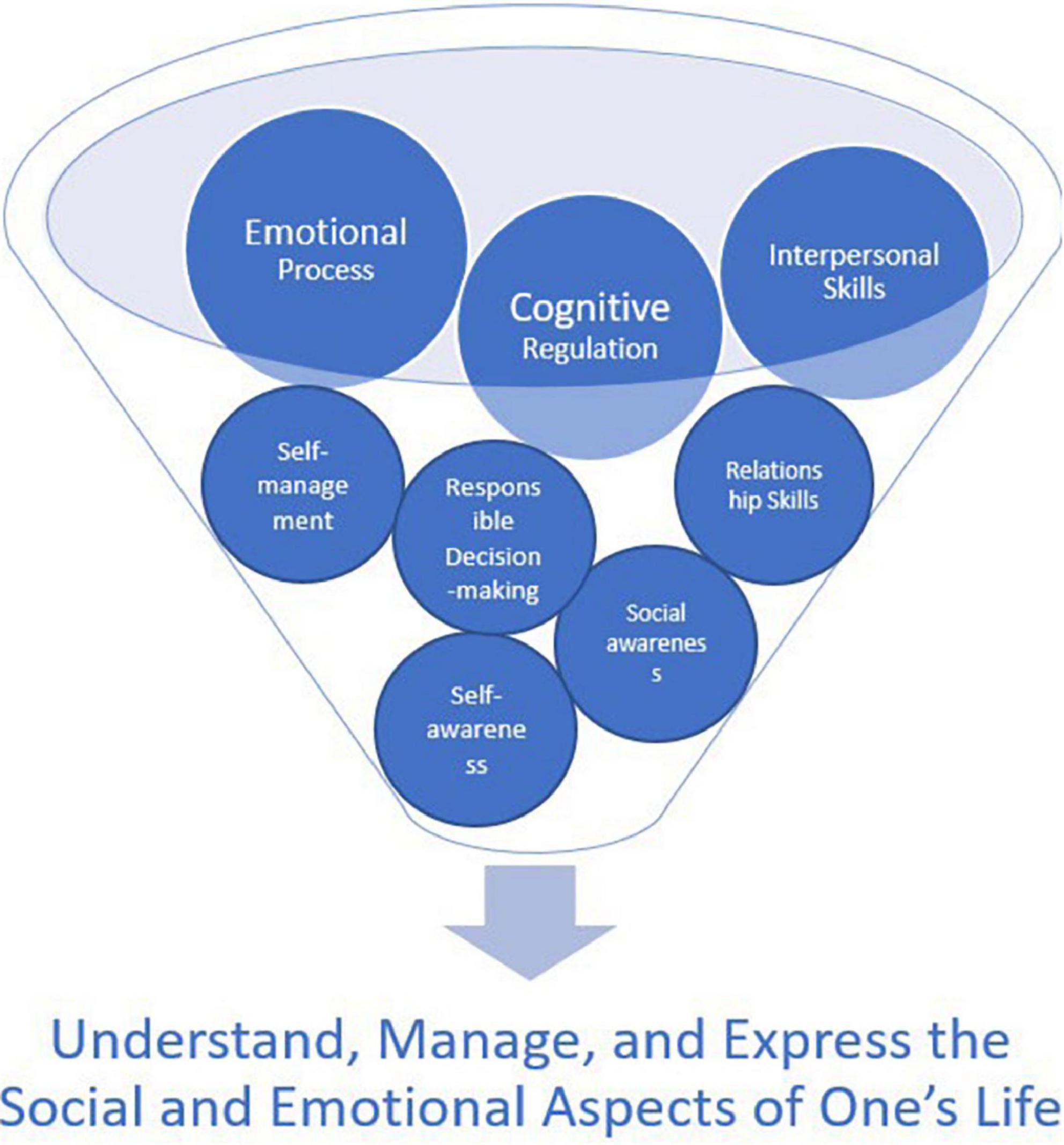
SEL strategies for Supporting Students with Special Needs: Effective Approaches and Benefits
Social-emotional learning (SEL) has become a cornerstone in modern education, fostering skills essential for lifelong success. For students with special needs, SEL isn’t just beneficial—it’s transformative. By intentionally integrating SEL strategies into inclusive classrooms, educators can create supportive environments where every student has the opportunity to thrive academically, socially, and emotionally. In this complete guide, we’ll explore proven SEL approaches for students with special needs, practical implementation tips, and the wide-ranging benefits that result from prioritizing social-emotional development.
What is SEL and why is it Vital for Students with Special Needs?
Social-emotional learning (SEL) refers to the process of acquiring and applying skills to manage emotions, build healthy relationships, set positive goals, and make responsible decisions. For students with special needs—including those with autism spectrum disorder (ASD), ADHD, learning disabilities, and emotional-behavioral disorders—SEL provides critical tools to navigate the unique challenges they encounter in both academic and social settings.
- Promotes self-awareness and self-advocacy: Helping students understand their strengths and needs.
- Fosters resilience: Equips students to cope with setbacks and stress.
- improves communication skills: Facilitates clearer interactions with peers, teachers, and family.
- Supports positive behavior: Reduces incidences of challenging behaviors and conflict.
effective SEL Strategies for Students with Special Needs
Implementing SEL in special education settings requires thoughtful adaptations and targeted approaches. Below are several evidence-based strategies that empower students with special needs to fully benefit from social-emotional learning.
1. Explicit Instruction of SEL Skills
- Build lessons around core SEL competencies: self-awareness, self-management, social awareness, relationship skills, and responsible decision-making.
- Use structured, step-by-step teaching methods with visuals, role-playing, and repetition.
- Incorporate SEL-focused curricula such as Zones of Regulation, Second Step, or Social Thinking programs tailored for special needs.
2. Individualized Supports and Accommodations
- Customize SEL lessons based on each student’s IEP (Individualized Education Program) goals.
- Offer alternative communication tools (AAC devices, visual supports) for students with speech-language challenges.
- Provide sensory-friendly environments to reduce anxiety and foster concentration.
3. Peer-Mediated Interventions
- Encourage peer partnerships for collaborative activities, promoting social inclusion and modeling positive behavior.
- implement buddy programs or mentor systems to build trusting relationships and increase engagement.
4. Emotion Regulation and Mindfulness Practices
- Teach self-regulation skills using calm-down corners, coping strategies, and mindfulness exercises (deep-breathing, guided visualization).
- Help students recognize and name their emotions, reducing incidents of frustration and outbursts.
5. positive behavior Reinforcement
- Implement token systems,praise,and consistent feedback to reinforce prosocial behavior.
- Develop clear routines and predictability to help students feel safe and confident.
6. Family and Community Engagement
- Collaborate with families and caregivers to reinforce SEL skills beyond the classroom.
- Offer workshops, resources, and regular communication to create cohesive support systems.
Benefits of integrating SEL for Students with Special Needs
Effective SEL strategies provide both immediate and long-lasting benefits for students with special needs. Here are key advantages of embracing SEL in inclusive educational environments:
- Improved Academic Outcomes: SEL has been shown to enhance attention, motivation, and classroom participation, supporting better academic achievement.
- Greater Emotional well-Being: Students experience decreased anxiety, depression, and stress, leading to improved mental health.
- Enhanced Social skills: SEL strengthens interpersonal communication, empathy, and conflict resolution abilities.
- Positive Classroom Climate: Promotes collaboration, reduces bullying, and increases acceptance and understanding among peers.
- increased Independence: fosters self-advocacy and problem-solving skills critical for lifelong success.
Practical Tips for Teachers and Caregivers
Adopting SEL in special education requires both creativity and compassion. Here are some practical tips to maximize your impact:
- Model positive social-emotional behaviors daily—students learn best by example.
- Integrate SEL objectives seamlessly into lesson plans and classroom routines.
- Celebrate small wins, progress, and persistence to motivate students.
- Be patient and flexible; SEL development takes time, especially for students with additional challenges.
- Encourage open communication and foster trust, creating a safe space for sharing and growth.
Case Study: SEL in Action for Students with Special Needs
Consider a special education classroom where SEL is embedded into daily activities. One example is Jenna, a third-grader with autism, who struggled with transitions and peer interactions. Through structured SEL lessons focusing on emotion identification and self-regulation, coupled with a peer buddy system, Jenna gained confidence. She learned strategies to express her needs, manage sensory overload, and initiate prosperous social exchanges. Teachers and her family reported notable improvements in her mood, participation, and academic engagement.
First-Hand Experience: Educator Insights
Educators implementing SEL for students with special needs consistently highlight the importance of patience, adaptability, and ongoing support. As one teacher shared:
“watching my students grow through SEL has been incredibly rewarding. The look of pride on their faces when they successfully navigate a social situation or express an emotion is priceless.”
These firsthand experiences underscore the profound impact that effective SEL strategies can have—not only on students’ academic success but on their overall quality of life.
conclusion: Transforming Lives Through SEL
SEL strategies for supporting students with special needs go beyond academics—they open the door to confidence, social belonging, and lifelong resilience. By embracing effective approaches and fostering inclusive environments,educators and caregivers can empower every learner to shine. Whether you’re a teacher, parent, or advocate, your commitment to social-emotional learning is the key to unlocking the full potential of every student.
Want to learn more about SEL and special education? Sign up for our newsletter or check out our SEL resources for students with special needs for more actionable strategies and updates.