
SEL Strategies for Supporting Students with Special Needs: Essential Tips and Benefits
In today’s inclusive classrooms,social-Emotional Learning (SEL) plays a vital role in supporting students with special needs. These students often encounter unique challenges that require thoughtful approaches to foster emotional growth and academic success. By implementing targeted SEL strategies, educators can create a nurturing environment where every learner—regardless of ability—thrives socially, emotionally, and academically.
What is Social-Emotional Learning (SEL)?
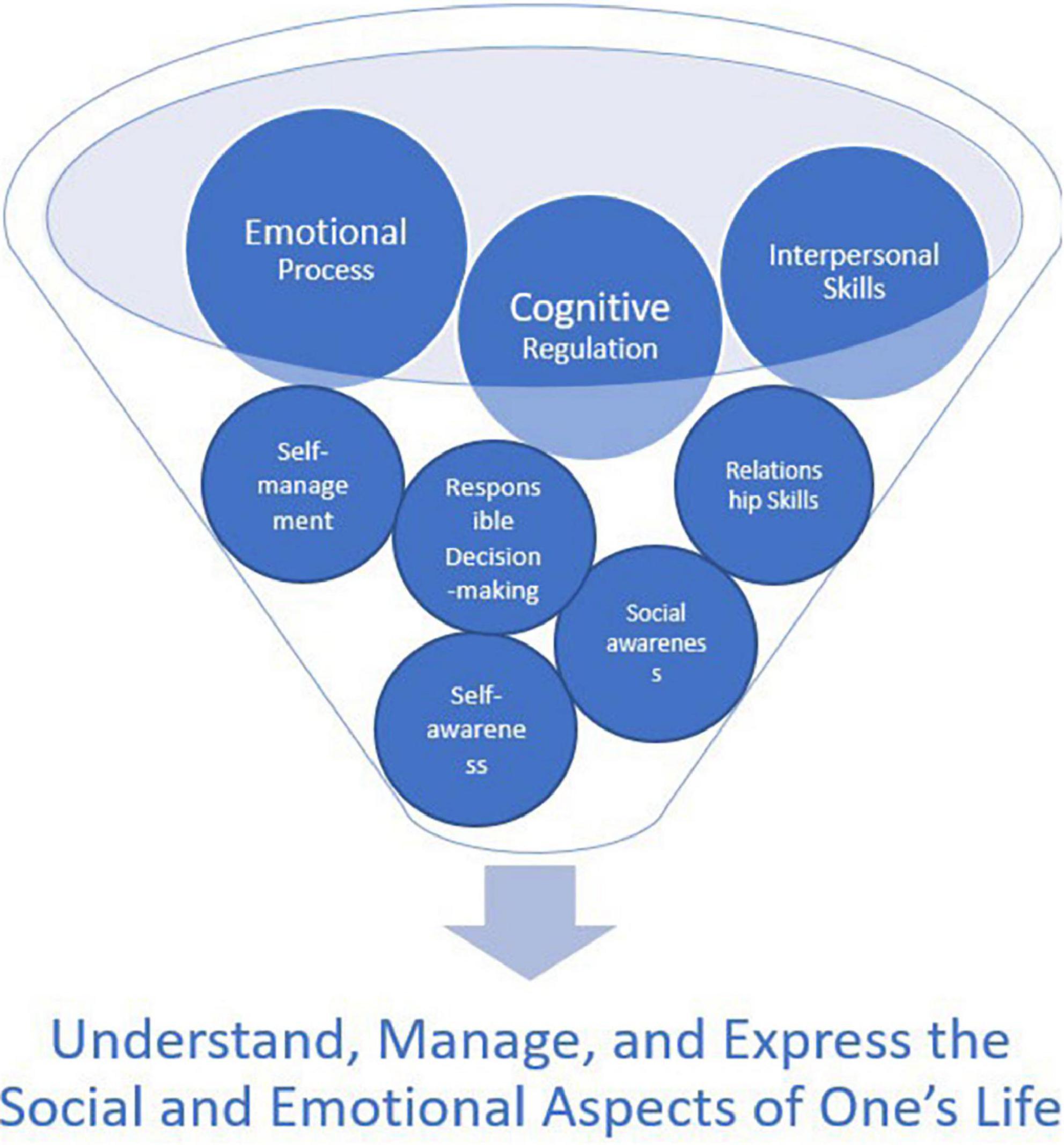
Social-Emotional Learning (SEL) refers to the process of acquiring skills to manage emotions, set positive goals, establish relationships, and make responsible decisions. For students with special needs—including those with learning disabilities, autism spectrum disorder, ADHD, and physical impairments—SEL equips them with tools necessary to navigate both academic tasks and everyday life challenges.
Main SEL Competencies
- Self-awareness: Understanding one’s emotions, strengths, and limitations.
- Self-management: Regulating emotions, thoughts, and behaviors effectively.
- Social awareness: Showing empathy and understanding diverse perspectives.
- Relationship skills: Building and maintaining positive connections.
- Responsible decision-making: Making ethical and constructive choices about personal and social behavior.
Why SEL Matters for Students with Special Needs
Students with special needs often face barriers in expressing emotions, interacting socially, or communicating effectively. SEL strategies tailored for these learners can:
- Improve self-regulation and impulse control
- Boost confidence and self-esteem
- Enhance dialog and social skills
- Reduce anxiety, frustration, and conflicts
- increase engagement and participation in academic activities
By prioritizing SEL, educators help these students transcend limitations and unlock their full potential.
Essential SEL Strategies for supporting Students with Special Needs
Implementing SEL for special needs students requires thoughtful planning, adaptability, and ongoing support. Here are some proven strategies to consider:
1. personalize SEL Activities
- Adapt SEL lessons to match students’ individual learning profiles, communication abilities, and sensory preferences.
- Use visual aids, social stories, videos, and hands-on activities to make concepts accessible.
- Incorporate students’ interests or strengths to boost engagement.
2. Build Safe and Predictable Environments
- Establish clear routines, visual schedules, and consistent expectations.
- Provide calm-down spaces or sensory corners for emotional regulation.
- Foster predictability and minimize abrupt changes in classroom activities.
3. Teach Emotional Regulation Explicitly
- Introduce emotion check-ins, feelings charts, and mindfulness exercises.
- Use roleplay and modeling to teach appropriate responses to stress or frustration.
- Offer practical coping strategies, such as deep breathing or using fidget tools.
4. Facilitate Peer Relationships
- Pair students for cooperative learning tasks and buddy programs.
- Teach social scripts and conversation starters to facilitate interactions.
- celebrate diversity and encourage inclusive group activities.
5. Partner with Families and Specialists
- Communicate regularly with parents, counselors, and special education professionals.
- Share SEL goals and progress updates.
- Invite family insights into effective self-regulation techniques or motivators.
6. Foster a Growth Mindset
- Encourage positive affirmations and self-reflection.
- Acknowledge effort, persistence, and improvement—not just outcomes.
- Use language that supports resilience and adaptability.
7. Incorporate Technology and Multimedia
- Utilize apps that reinforce SEL skills (e.g., emotional regulation, social problem-solving).
- Create digital social stories or interactive roleplaying scenarios.
- Leverage multimedia resources for visual and auditory learners.
Practical Tips for Implementing SEL in Inclusive Classrooms
- Start Small: Focus on one SEL competency at a time for deeper understanding.
- Use Multiple Modalities: Combine visual, auditory, and tactile resources to cater to diverse needs.
- Encourage Self-Advocacy: Help students articulate their needs and preferences.
- Provide Consistent Feedback: offer praise for positive social interactions and guide correction gently.
- Integrate SEL into Academics: Link social-emotional skills to subject areas (e.g., literature discussions, collaborative science projects).
Case Study: SEL Success in a Special Needs Classroom
Ms. Patel’s second-grade inclusive classroom included students with autism, speech delays, and ADHD. Using morning emotion check-ins, sensory breaks, and peer buddy systems, her students showed remarkable progress:
- Students with autism started expressing feelings using visual charts and participating in group discussions.
- Her ADHD students benefited from regular mindfulness breaks and showed improved self-control during transitions.
- Social conflicts decreased as students learned to negotiate and compromise with peers using social scripts.
By consistently integrating SEL strategies, Ms. Patel cultivated a supportive learning atmosphere that empowered all students, regardless of their abilities.
Benefits of SEL for Students with Special Needs
well-implemented SEL strategies bring considerable advantages, including:
- Improved Academic Performance: Emotional regulation and social skills enable better focus, participation, and achievement.
- Reduced Behavioral Challenges: Proactive SEL lessons decrease incidents of disruptive behavior.
- Enhanced Emotional Well-being: Students feel understood, accepted, and valued.
- Stronger Relationships: Positive peer and adult relationships form the basis for personal growth.
- School Readiness and life Skills: SEL lays the foundation for lifelong resilience, teamwork, and self-advocacy.
First-Hand Experiences: Voices from Teachers and Parents
“SEL activities like emotion check-ins and roleplaying have transformed the way my son interacts at school. He’s now able to recognize his feelings and ask for help when he’s anxious.”
– parent of a fourth-grade student with ASD
“In our classroom,SEL routines are as important as academic lessons.Students with special needs feel safer and more confident,knowing they’ll be supported and understood every day.”
– Special education Teacher
Conclusion: Building an Inclusive and Empowering Future with SEL
SEL strategies for supporting students with special needs create a powerful ripple effect—boosting individual confidence, promoting academic achievement, and nurturing inclusive communities.By embracing empathy, recognizing diverse strengths, and offering personalized support, educators make a lasting impact on every child’s emotional and social development.
When SEL becomes the heart of the classroom, students with special needs aren’t just accommodated—they flourish. Let’s commit to integrating SEL every day and fostering schools where all learners feel valued, connected, and empowered.
If you found this guide on SEL strategies for supporting students with special needs helpful, share it with fellow educators and families. Together, we can champion inclusive education and meaningful social-emotional growth for every learner!