
SEL Strategies for Supporting Students with Special Needs: Practical Tips and Benefits
Social-Emotional Learning (SEL) is a cornerstone of holistic education, especially when it comes to supporting students with special needs. As educators and caregivers strive to foster inclusive classrooms, it’s vital to implement effective SEL strategies tailored to the diverse requirements of thes learners. This comprehensive guide explores why SEL matters for special needs students, practical tips for implementation, the wide-ranging benefits, and actionable insights from real-life experiences.
What is SEL and why is It Crucial for Special Needs students?
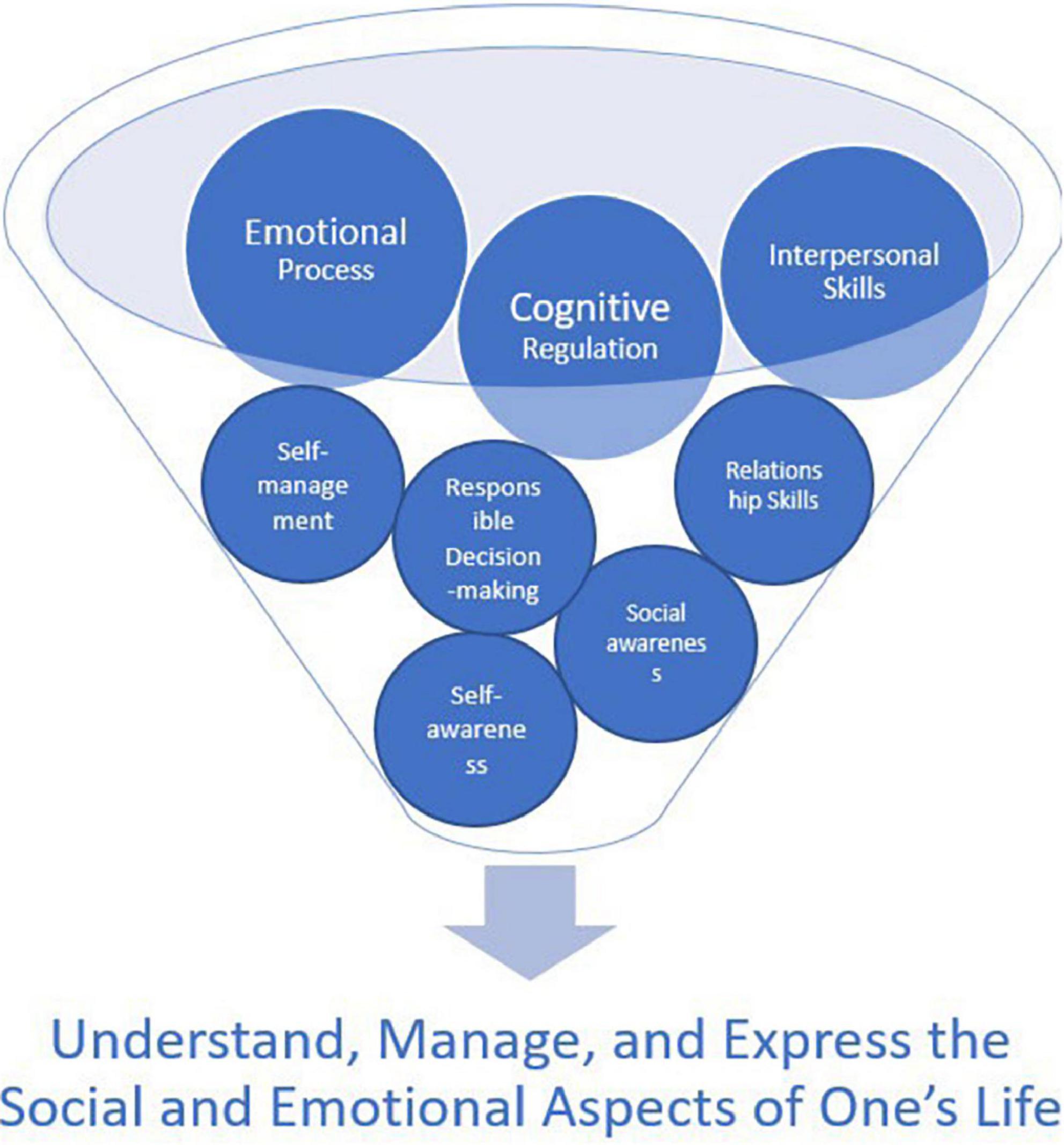
Social-emotional learning (SEL) involves teaching skills such as self-awareness, self-management, social awareness, relationship building, and responsible decision-making.For students with disabilities, SEL is not just a support; it’s an essential foundation for academic success, personal growth, and positive classroom dynamics.
- Students with special needs often face challenges in communication, emotional regulation, and forming social connections.
- SEL strategies provide structured opportunities to develop these critical competencies.
- Inclusive SEL activities help bridge gaps and promote a supportive learning environment for all learners.
Benefits of SEL Strategies for Special Needs Students
Integrating SEL into special education offers profound benefits, impacting both academic and social realms. Here’s how:
1. Enhanced Emotional Regulation
- students learn coping mechanisms and conflict resolution skills.
- Reduces frustration, anxiety, and behaviour challenges.
2. Improved Social Skills
- Structured SEL activities enhance empathy and communication.
- Students develop friendship skills and learn to work in teams.
3.Greater Academic Engagement
- Emotional stability and self-confidence lead to increased participation.
- Developing a growth mindset helps students persevere in challenging tasks.
4. Inclusion and Belonging
- SEL fosters respect and understanding among all students.
- Students with special needs feel valued and included.
Practical SEL Strategies for Supporting Students with Special Needs
Effective SEL practices are intentional and flexible, accommodating each student’s unique needs. Below are proven strategies educators can adopt:
1. Explicit Skill Teaching
- Break down SEL concepts into manageable steps.
- use clear visuals, role-playing, and guided practice.
- Provide frequent opportunities for repetition and reinforcement.
2. Personalized Supports and Accommodations
- Offer communication supports (AAC devices, picture exchange systems).
- Modify activities to reflect individual abilities and interests.
- use sensory-kind materials and calming spaces.
3. Classroom Routines and Predictability
- Create consistent routines to build trust and reduce anxiety.
- Display visual schedules and social stories to facilitate transitions.
4. Emotion Check-Ins
- Use daily “How are you feeling?” check-ins with emotion cards or color charts.
- Encourage students to describe or express their feelings using words or visuals.
5. Social Groups and Cooperative Learning
- Organize small social skills groups focused on sharing, listening, and teamwork.
- Pair students with peer buddies for modeling and support.
6. Incorporating Technology
- Utilize interactive SEL apps and digital role-playing scenarios.
- Enable accessibility features to address diverse learning needs.
First-Hand Experience: SEL in Action
Let’s look at an example of SEL positively impacting a student with autism:
Sarah, a 4th grader with autism, frequently experienced anxiety during group activities.By implementing a daily emotion check-in and introducing a social story about group work, her teacher noticed Sarah gradually expressing her concerns. With a peer buddy’s support, Sarah felt more agreeable sharing her thoughts, joining group discussions, and even leading a classroom activity. Her self-confidence soared, and her academic engagement noticeably improved.
Tips for teachers and Caregivers Implementing SEL
- Model SEL Skills: Demonstrate calmness, empathy, and effective communication.
- Set Realistic Goals: Focus on small,achievable steps for progress.
- Celebrate Success: Recognize each milestone, no matter how small.
- Collaborate with Families: Share SEL strategies and progress with parents and caregivers.
- Use Data: Track student growth and adjust interventions as needed.
- Promote Equity: Ensure every student has access to SEL opportunities, nonetheless of ability.
common Challenges and Solutions in SEL Implementation
While integrating SEL for students with special needs can be challenging, it’s possible with persistence and creativity:
-
Challenge: Diverse learning styles and abilities.
Solution: Use differentiated instruction and multisensory activities.
-
Challenge: Resistance to participation.
solution: Build trust, and introduce SEL practices gradually.
-
Challenge: Limited time and resources.
Solution: Integrate SEL into existing routines and academic content.
Resources for SEL and Special Education
- CASEL (Collaborative for Academic, Social, and Emotional Learning)
- Autism Society
- Understood – For Learning & Thinking Differences
- SEL-focused apps: EduMate, classdojo
Conclusion: Creating Inclusive Classrooms with SEL
SEL strategies for supporting students with special needs are more than classroom tools—they are pathways to cultivating resilience, empathy, and lifelong learning. when educators adopt thoughtful, individualized SEL approaches, they empower every student to reach their fullest potential. The ripple effects are felt in improved academic achievement, stronger relationships, and a vibrant, inclusive school community. Whether you’re a teacher, caregiver, or administrator, prioritizing SEL will transform not just your classroom, but your students’ futures.
Ready to make SEL a foundation of your inclusive classroom? Begin with small changes, celebrate every success, and remember—every student deserves a space to grow emotionally and socially.