
SEL Strategies for Supporting Students with Special Needs: Practical Tips for Educators
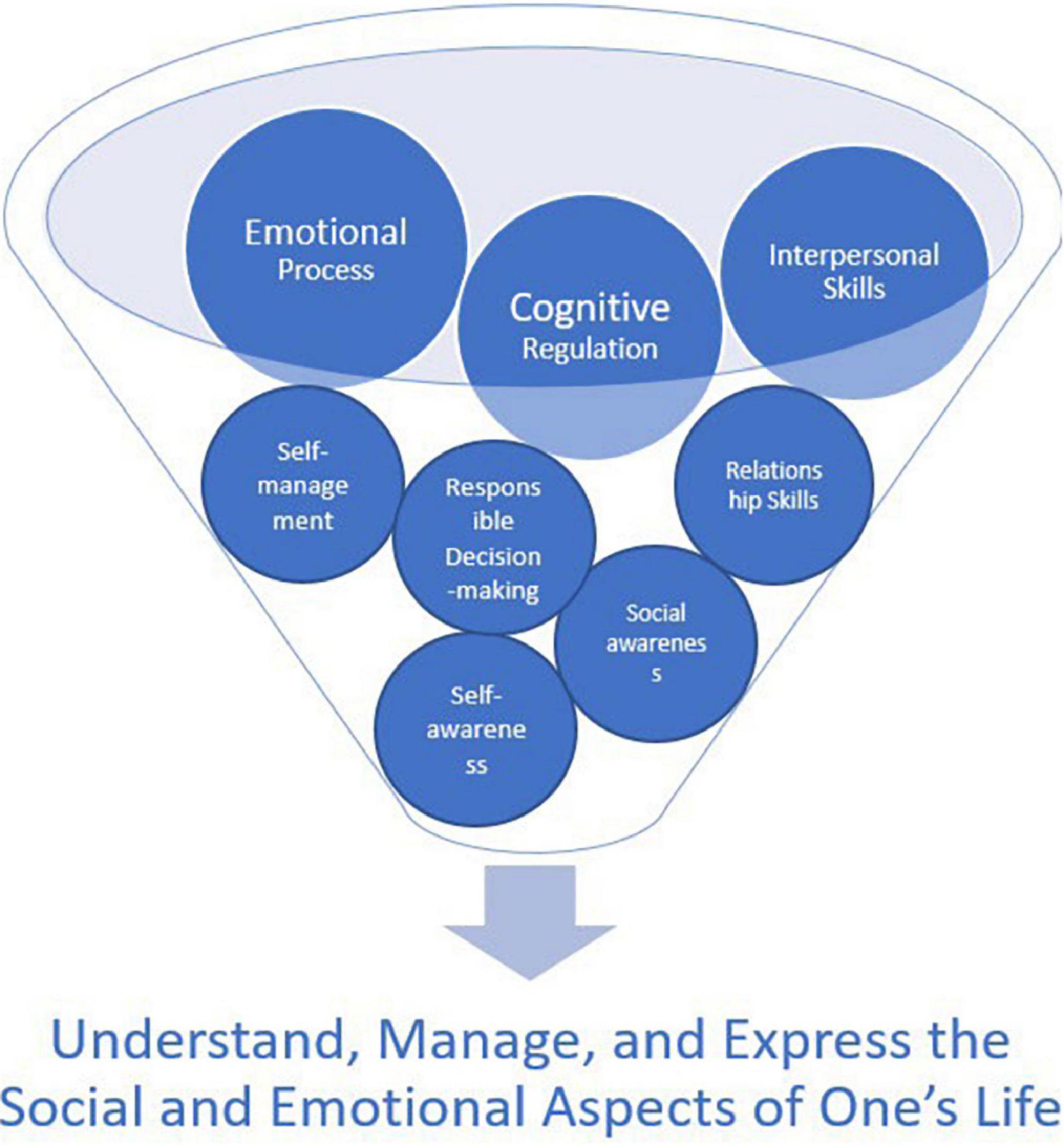
Social-emotional Learning (SEL) is critical in helping students develop self-awareness, emotional regulation, and interpersonal skills. For students with special needs—including those with learning disabilities, autism spectrum disorder (ASD), ADHD, and other exceptionalities—SEL can be especially transformative in fostering a sense of belonging, resilience, and academic success. In this article, we’ll dive into actionable SEL strategies for supporting students with special needs and share practical tips educators can implement today.
Why SEL Matters for Students With Special Needs
SEL isn’t a one-size-fits-all approach; it provides customizable tools to build essential life skills. For students with special needs, SEL can:
- Enhance emotional regulation: Many students with special needs struggle with recognizing and managing their emotions.SEL tools teach techniques for calming down and expressing feelings appropriately.
- Improve social interactions: By practicing empathy, listening skills, and conflict resolution, students can build stronger peer relationships.
- Boost academic achievement: Emotionally and socially competent students are better equipped to focus in class and persevere through academic challenges.
- promote inclusion: SEL fosters understanding and compassion among all students, building a more supportive and inclusive classroom community.
Key SEL Strategies for Supporting Students with Special Needs
Incorporating SEL strategies in classrooms with students with special needs requires tailoring instruction to diverse abilities and needs. Below are some effective SEL practices:
1. Establish Structured Routines and predictable Environments
- Visual Schedules: Use pictures and icons to outline daily routines,transitions,and activities. This reduces anxiety for students who thrive on predictability.
- Consistent Procedures: Repetition and clear behavioral expectations help students understand what is expected and build confidence.
2. Integrate Explicit Social Skills Instruction
- Role-Playing: Practice peer interaction scenarios such as greeting classmates, sharing, or joining group activities.
- Social Stories: Create personalized narratives that teach students appropriate social behavior and responses for common situations.
3. Use Mindfulness and Self-Regulation Techniques
- Calming Corners: Designate a quiet space in the classroom equipped with sensory tools (e.g., stress balls, noise-cancelling headphones) where students can regroup.
- Breathing Exercises: Teach simple breathing techniques—such as “belly breathing”—to manage stress and anxiety.
4. Foster positive Relationships and Peer Support
- Peer Buddies: Pair students with special needs with empathetic classmates who model social skills and provide support during group activities.
- Collaborative Projects: Offer opportunities for teamwork, allowing students to experiance success through cooperative learning.
5. Personalize SEL Instruction
- Individualized Goals: Set achievable SEL targets that reflect each student’s strengths and areas for growth.
- Accessible Materials: Adapt lessons with visual aids, simplified texts, or technology for students with communication or processing challenges.
Practical Tips For Educators: Implementing SEL in Inclusive Classrooms
Adopting SEL strategies requires intention and consistency. Here’s how educators can start:
-
Collaborate With specialists:
Work closely with special education teachers, counselors, and therapists to ensure SEL strategies align with each student’s Individualized education program (IEP).
-
Model Emotional Intelligence:
Demonstrate appropriate emotional responses and coping strategies. When educators openly talk about their feelings and how they manage them, students learn that emotions are normal and manageable.
-
Celebrate Small Successes:
Acknowledge effort, persistence, and incremental improvements, not just final achievements. Positive reinforcement builds self-esteem and encourages continued growth.
-
Create a Safe Space for Sharing:
Encourage students to voice their feelings, worries, and ideas in a judgment-free habitat. Use open-ended questions and validate every student’s input.
-
Incorporate global Design for learning (UDL):
Diversify teaching methods to give all students equitable access to SEL content. Adjust materials, activities, and assessments as needed.
-
Use Technology Thoughtfully:
Apps and online platforms can support SEL by providing interactive,personalized experiences for students,especially those with communication difficulties.
Case Study: SEL in Action for Students with ASD
consider Ms. Garcia, a middle school educator who uses SEL strategies in her inclusive classroom:
ms. Garcia introduces a visual schedule each morning to help all students know what to expect. She uses social stories to support students with autism in understanding group work dynamics. When a student feels overwhelmed, they can visit the calming corner. Weekly, Ms. Garcia facilitates peer buddy projects, pairing students to build trust and cooperation. She tracks each student’s individual SEL goals, celebrating progress during class meetings.
This approach not only reduces anxiety but also enhances self-confidence, improving academic and social outcomes for students with ASD and their peers.
First-Hand Experience: Educator Insights
Many educators have seen firsthand the impact of SEL strategies for students with special needs.Here’s what some have shared:
“Integrating mindfulness into my classroom has dramatically improved one student’s ability to remain focused and calm during transitions. The calming corner isn’t just a space—it’s a lifeline for students who need to recharge or self-regulate.” — Mr. Tanaka, elementary school teacher
“Using peer buddies has fostered genuine friendships and helped students with language difficulties find their voice. The sense of belonging extends beyond SEL lessons—it influences the whole school culture.” — Ms. Robinson, resource room educator
Benefits of Implementing SEL Strategies for Students With Special Needs
- Decreased Behavioral Issues: SEL provides proactive techniques that reduce incidents of disruptive behavior in the classroom.
- Increased Student Engagement: Students who feel heard and supported are more likely to participate and take academic risks.
- Stronger Family Partnerships: When SEL practices are shared with families, it leads to better consistency and support at home.
- Long-Term resilience: Lifelong skills such as problem-solving, self-control, and positive communication help students thrive beyond school.
Conclusion: Cultivating Inclusive Classrooms Through SEL
SEL strategies are not simply “nice-to-have”—they are essential for creating supportive, responsive, and inclusive learning environments for students with special needs. By integrating SEL into daily routines, leveraging personalized instruction, and fostering authentic connections, educators empower every learner to overcome challenges and reach their full potential.
Whether you’re a seasoned special education teacher or new to the field, incorporating SEL practices will transform your classroom into a place where every student feels seen, heard, and valued. Start small with structured routines and explicit social skills lessons, collaborate with your team, and celebrate each student’s progress. Remember, the best SEL strategies are those that meet students where they are—helping them build skills for a lifetime of success.
Get Started Today!
ready to bring SEL strategies for students with special needs into your classroom? Begin with the tips above, and continue exploring resources and professional development opportunities. Together, we can create inclusive classrooms where every student thrives!