
Senior Instructional Designer: Key Responsibilities, Skills, and Career Growth explained
Are you passionate about leveraging technology to transform the educational experience at universities, colleges, or schools? A career as a Senior Instructional Designer in education technology can be deeply fulfilling and impactful. This dynamic role offers professionals the chance to shape the way learners engage with knowledge and develop future-ready skills. If you are exploring job opportunities in higher education or K-12 institutions, understanding the senior Instructional Designer position is essential. In this article, we will explore what this role entails, the qualifications required, key responsibilities, skills needed, career growth prospects, and actionable tips to help you succeed in the field of instructional design.
What Is a Senior Instructional Designer?
A Senior Instructional Designer is an advanced position within the education technology sector, focused on designing, developing, and evaluating learning experiences using modern digital tools and instructional frameworks. These professionals work closely with faculty, subject matter experts, IT staff, and administrators to create engaging and effective online, hybrid, and in-person courses. While job responsibilities can vary based on the institution, the common thread is an unwavering commitment to improving learning outcomes and supporting student success through innovative pedagogy and technology integration.
key Responsibilities of a Senior Instructional Designer
Understanding the core duties of a Senior Instructional Designer will give you a clearer picture of what to expect in this role. Here are some of the principal responsibilities you might encounter in higher education or school settings:
- Course Design and Progress: Lead the creation, revision, and implementation of curriculum using instructional design models (such as ADDIE, SAM, or Backward Design) to ensure alignment with learning objectives and institutional standards.
- Collaboration with Stakeholders: Partner with faculty, trainers, and subject matter experts to translate disciplinary content into engaging, learner-centered instructional materials.
- Technology Integration: Identify, evaluate, and implement educational technologies (LMS platforms, multimedia tools, e-learning software) to enhance the instructional experience.
- Assessment Design: Develop formative and summative assessment strategies that measure student learning effectively.
- Training and Support: Provide mentorship and training for educators and instructional designers on best practices in pedagogy, technology use, and course delivery.
- Quality Assurance: Ensure courses meet quality benchmarks such as Quality Matters (QM), Universal Design for Learning (UDL), and accessibility (WCAG) standards.
- project Management: Oversee instructional design projects from ideation to rollout, ensuring adherence to timelines and budgets.
- Research and Analysis: Stay abreast of the latest trends in educational technology and pedagogical theory, and apply this knowledge to continuously improve instructional offerings.
- Evaluation and Analytics: Collect, analyze, and report data on course performance to inform continuous betterment efforts.
Essential Skills for a Senior Instructional Designer
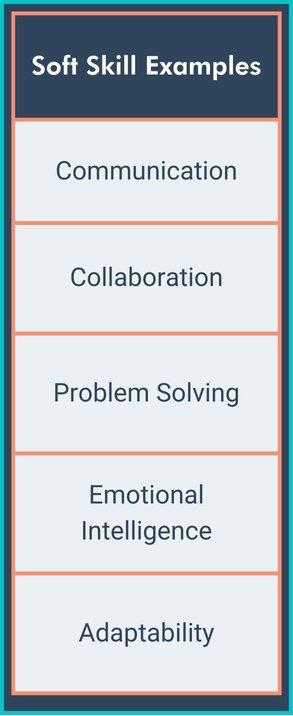
Excelling as a Senior Instructional Designer in education technology requires a blend of technical, pedagogical, and interpersonal skills. Below are some of the top competencies employers seek:
- Instructional Design Expertise: Mastery of instructional design models, adult learning theory, and curriculum development.
- Digital Literacy: Proficiency with Learning Management Systems (such as Canvas, Blackboard, or Moodle), multimedia creation, and eLearning tools.
- Project Management: Ability to juggle multiple projects concurrently, with keen attention to detail and organizational skills.
- Dialog: Excellent written and verbal communication skills for working with diverse teams and delivering training sessions.
- Analytical Thinking: Capacity to use data and student feedback to optimize instructional materials and help educators make evidence-based decisions.
- Problem-Solving: Creative and proactive approach to overcoming instructional challenges and technological barriers.
- Leadership and Mentorship: Skills in guiding and developing junior instructional designers or faculty members new to online teaching.
- Adaptability: Adaptability to work in fast-paced environments and adjust to evolving educational technologies.
- Accessibility and Inclusion: In-depth understanding of universal design and strategies to ensure courses are accessible to all learners.
Qualifications and Experience
most Senior Instructional Designer positions at universities, colleges, or schools require:
- Educational background: A master’s degree or higher in instructional design, education technology, curriculum and instruction, or a related field.
- Relevant Experience: Several years of experience (typically 4-7+) in instructional design, curriculum development, or education technology, preferably in an academic environment.
- Portfolio: A strong portfolio of previous projects demonstrating expertise in course design, technology integration, and assessment development.
- Certifications (preferred): Credentials such as Certified Professional in Learning and Performance (CPLP) or the Quality Matters Peer Reviewer certification may boost your profile.
Benefits of Working as a Senior Instructional Designer
Pursuing a career as a Senior Instructional Designer in education technology offers numerous advantages:
- Impact: Play a pivotal role in shaping the quality of education, improving student outcomes, and advancing institutional goals.
- Continuous Learning: Constant exposure to new technologies and pedagogical methodologies keeps your professional growth vigorous and relevant.
- job Security: Growing demand for tech-savvy education professionals ensures a wealth of career opportunities in higher education and K-12 sectors.
- Collaborative Environment: Engage with educators, technologists, and administrators from diverse backgrounds, fostering innovation and professional relationships.
- Flexibility: Many institutions support remote, hybrid, or flexible hours, creating an appealing work-life balance.
- Career Advancement: opportunities to move into management, leadership roles in academic technology, or specialized consulting.
Career Growth and Advancement Opportunities
the career path for a senior Instructional Designer offers multiple avenues for advancement, both within and beyond educational institutions:
- Lead Instructional Designer or Manager: Supervise a team of designers and drive institutional strategy in curriculum and technology initiatives.
- Director of Learning Technology: Oversee department operations, manage budgets, and coordinate institution-wide eLearning initiatives.
- Educational Consultant: Advise colleges, universities, or schools on instructional design, faculty development, and technology implementation.
- Academic Technology Specialist: Lead the adoption and evaluation of cutting-edge teaching tools, platforms, and administrative technologies.
- Faculty or Adjunct Instructor: Teach courses in instructional design, education technology, or training and development programs.
With ongoing professional development and networking, Senior Instructional Designers can also contribute to national initiatives, author educational resources, and present at conferences, further enhancing their professional profile and impact.
Practical Tips for Aspiring Senior Instructional Designers
If you aim to secure a Senior Instructional Designer position at a university, college, or school, consider the following strategies:
- Build a strong Portfolio: Document your instructional design projects, highlighting measurable improvements and innovative technology use.
- Pursue Professional Development: Stay current with industry standards, new tools, and best practices through webinars, courses, and conferences.
- Network Actively: Connect with other instructional designers, attend edtech events, and join professional organizations to uncover job opportunities and collaborations.
- Gain Diverse Experience: Work on cross-functional projects, gain exposure to multiple LMS platforms, and design for varied formats (online, hybrid, in-person).
- Showcase Leadership Skills: Seek opportunities to mentor, lead committees, or manage small projects to demonstrate management potential.
- Demonstrate Data Literacy: Familiarize yourself with analytics tools and the use of educational data to drive instructional improvement.
- Highlight Accessibility Initiatives: Demonstrate a commitment to inclusivity by designing courses that meet diverse learner needs.
Conclusion: Your Future as a Senior Instructional Designer in Education Technology
with the rapid evolution of educational technology, the role of the senior Instructional Designer has become more significant than ever in universities, colleges, and schools. This career offers an intellectually stimulating environment, meaningful work, and ample room for professional growth. By mastering the required skills, building a strong portfolio, and staying current in the field, you can successfully position yourself for advancement and make a real impact on educational outcomes. If you are excited by the prospect of blending technology, pedagogy, and innovation, a Senior Instructional Designer position may be the perfect next step in your edtech career journey.